




Baroque Landscape Framed Art
Baroque landscape framed art brings dramatic skies, classical ruins and deep wooded vistas into your rooms through historic oil paintings and prints.
Baroque Landscape Framed Art
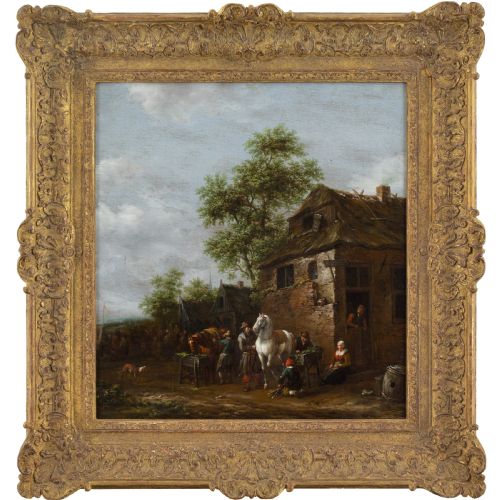
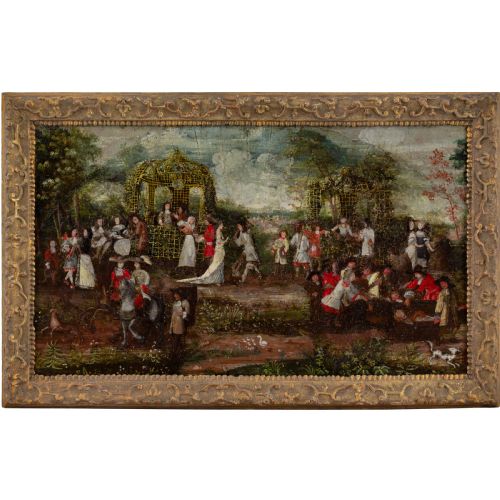
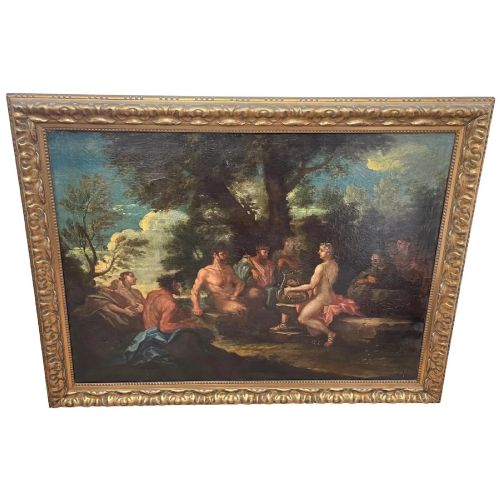
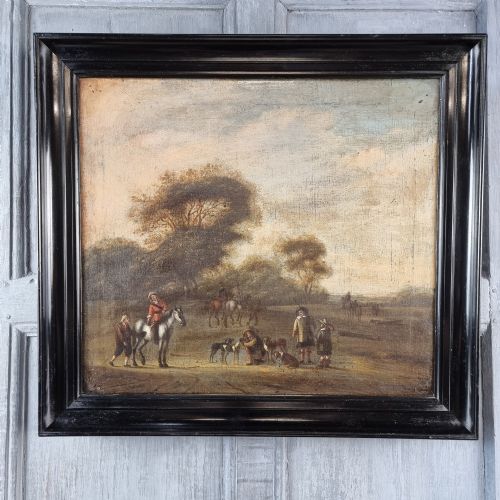
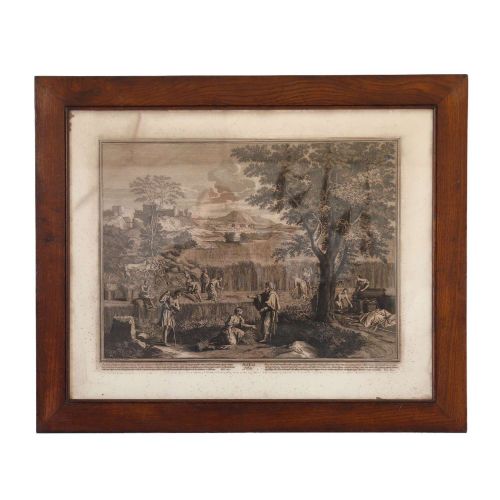
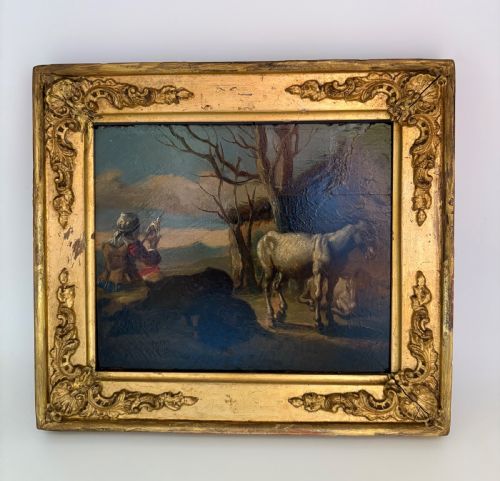
When you search for baroque landscape framed art, you encounter oil paintings, oil on oak panel, and framed prints dating from the seventeenth and eighteenth centuries. These works span Flemish, Dutch, and Italian schools, bringing the grand ideals of the period straight to your walls.
The most common subjects you will meet include mountainous terrain, river scenes, mythological figures, and genre figures gathered in rural or classical settings. Many pieces are housed in their original giltwood or gold leaf frames, preserving the complete historic object.
Compositions often draw inspiration from the grand manner of Claude Lorrain, Nicolas Poussin, and followers of Rosa di Tivoli, balancing natural scenery with architectural elements. Each piece reflects the European fascination with pastoral idealism, dramatic lighting, and expansive horizons.
Materials and technique
Artists painted primarily with oil paint on canvas or wooden oak panels, applying layers to build deep shadows and luminous skies. The rich pigments capture the characteristic drama and theatrical lighting associated with the period.
Many works are enclosed in heavy giltwood and wood frames, often enhanced with gold leaf to complement the warmth and intensity of the painted scenes. These original frames form an integral part of the structure, shaped by period joinery techniques.
A royal coach party passing an ornamental lake at Marly rubs shoulders with quiet woodland scenes where bathers and shepherds wander.
Evaluating quality
Quality rests in the handling of light, shadow, and atmospheric depth, where masterly brushwork creates convincing distance in the landscape and expressive detail in the figures. Lesser works often rely on formulaic repetition without the same atmospheric tension.
The survival of the original gilt frame significantly elevates a piece, particularly when the carved moulding matches the style and period of the painting. The interaction between the canvas and its period frame defines the visual integrity of the artwork.
Cornelis Van Poelenburgh·David Teniers II·Claude Lorrain·Marmaduke Cradock·Jacob Bogdani·Pieter Bout·Adriaen Frans Boudewyns·Francesco Zuccarelli·Francesco Albani·Reynard Le Vieux·Martin Pierre Denis
The Baroque Landscape Framed Art Glossary
- Baroque
- A European artistic style from the seventeenth and early eighteenth centuries characterised by drama, rich detail, and deep contrast. It prioritises movement and grandeur over static harmony.
- Giltwood
- Wood carved and coated with a thin layer of gold leaf or gold paint. It provides a luminous, reflective border for historic oil paintings.
- Oil on Oak Panel
- A traditional painting support where pigments mixed with oil are applied directly to a prepared wooden board. This surface provides a rigid foundation favoured by northern European artists.
- Classical Landscape
- A genre of painting depicting an idealized rural scene, frequently incorporating ancient ruins, mythological figures, and balanced compositional elements.
- Old Master
- A term for a European artist of high skill working before the nineteenth century. It denotes formal training within traditional workshop or academy systems.
Baroque Landscape Framed Art: Frequently Asked Questions
What subjects appear in these landscapes?
Paintings frequently feature mountainous terrain, rivers, wooded paths, and pastoral settings populated by shepherds, travellers, or mythological figures. Artists often integrated classical architecture and antique ruins into the natural scenery.
These compositions reflect the seventeenth and eighteenth-century interest in idealized nature, drawing inspiration from classical literature and Mediterranean scenery.
How should I hang historic oil paintings?
Hang paintings away from direct sunlight and fluctuating heat sources to protect the canvas, wood panel, and oil pigments. Stable indoor humidity helps preserve both the artwork and its original wooden frame.
Ensure the wall fixings can support the combined weight of the heavy canvas and the period giltwood frame securely.
How do I identify seventeenth-century works?
Clues lie in the painting techniques, costume details of the figures, preparation of the canvas or oak panel, and the construction methods of the frame. Stylistic influences often point toward specific regional schools such as the Flemish or Dutch golden age traditions.
Comparison with documented works by contemporaneous artists or followers helps narrow down the probable date and origin.