
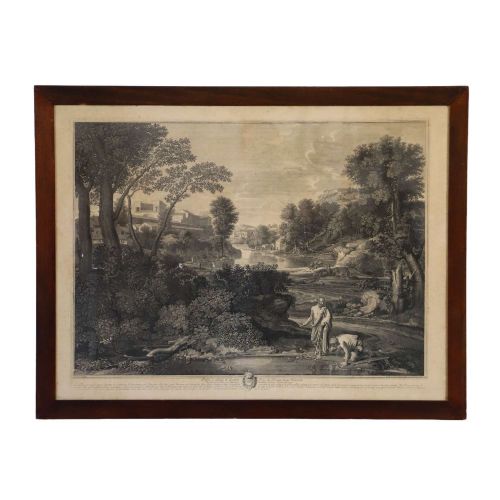
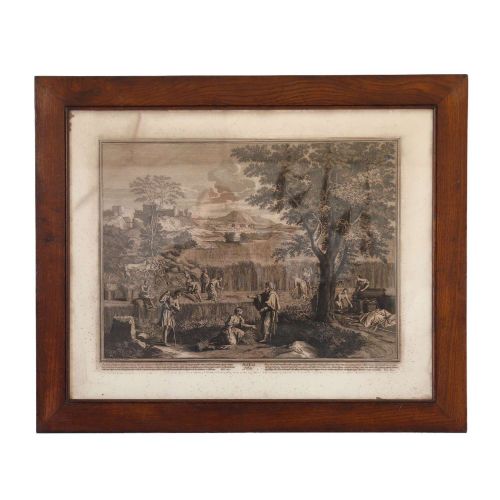
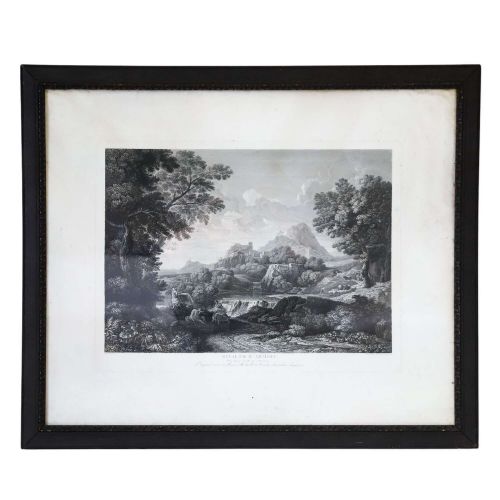

Antique French Art Print
An antique french art print brings centuries of Continental printmaking, cartography and draughtsmanship directly onto the wall.
Antique French Art Print
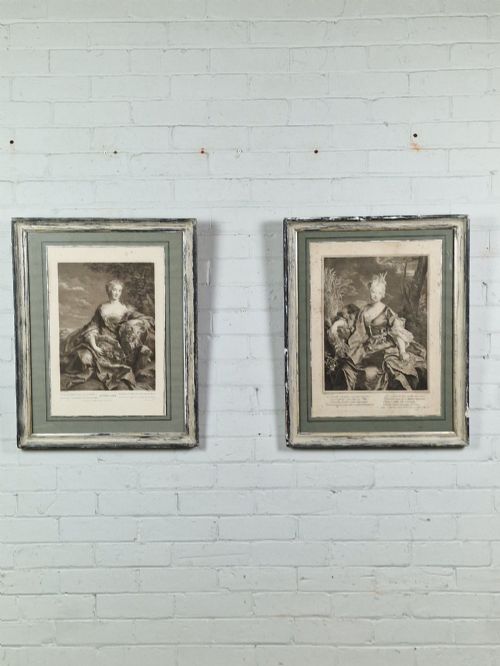
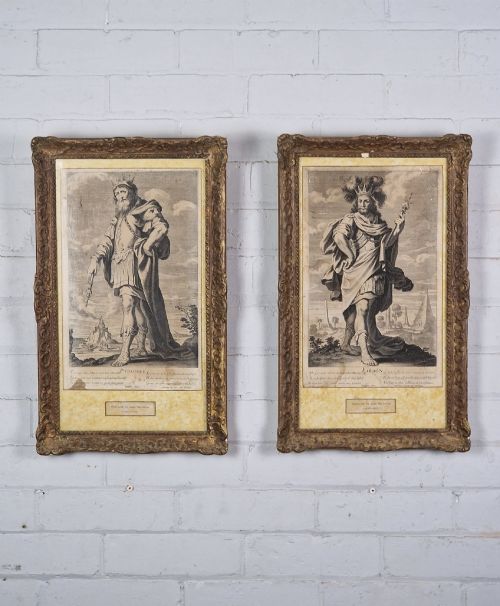
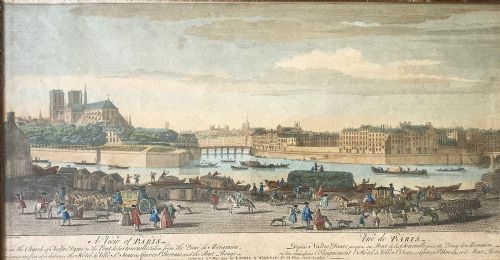
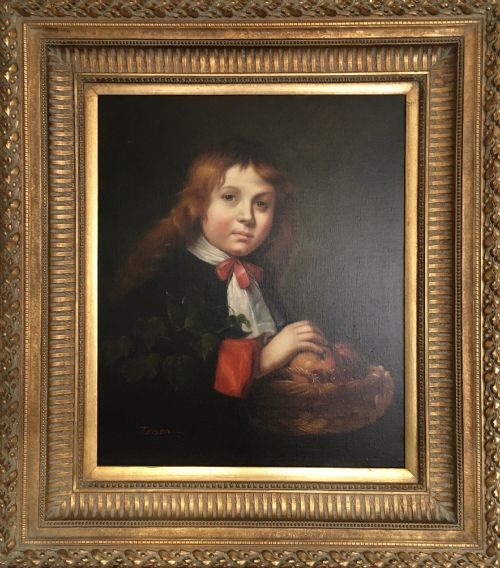
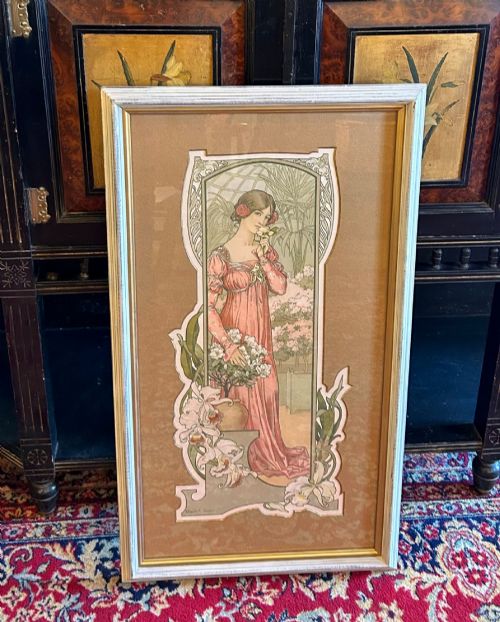
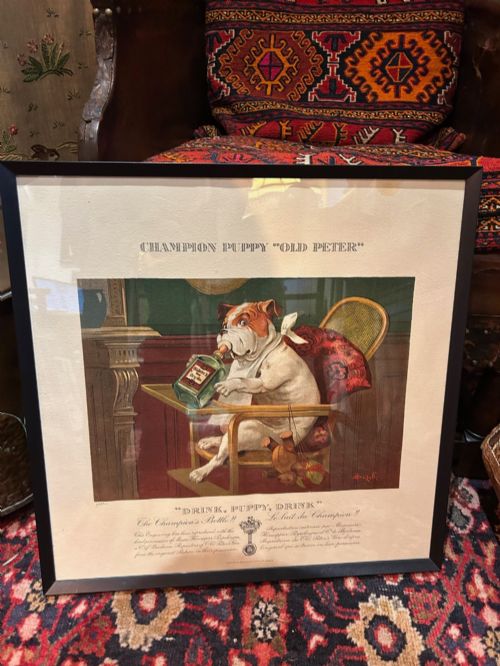
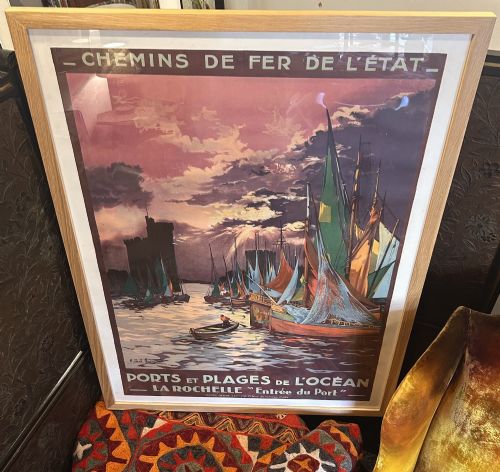
When searching for an antique french art print, buyers encounter a diverse range of wall art spanning from the seventeenth century through to the Art Deco period. These works encompass framed engravings, lithographs, etchings, hand-coloured botanical illustrations, architectural plans and vintage posters.
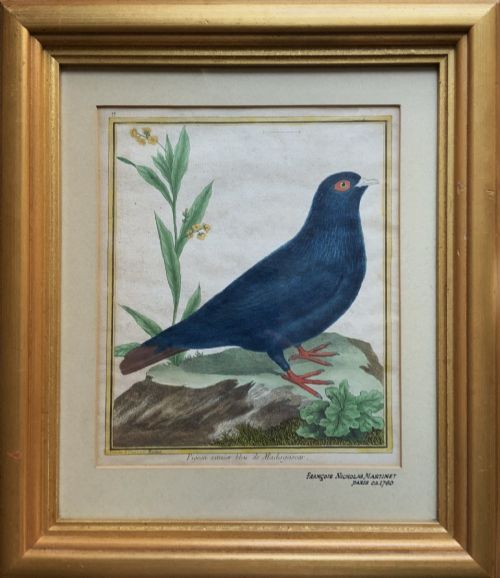
The selections on this page are most frequently represented by eighteenth-century engravings, nineteenth-century academic studies and early twentieth-century advertising or railway posters. Subjects stretch from classical antiquity and anatomical figures to maps of England, Ireland, Scotland and Asia, alongside bird and animal portraits.
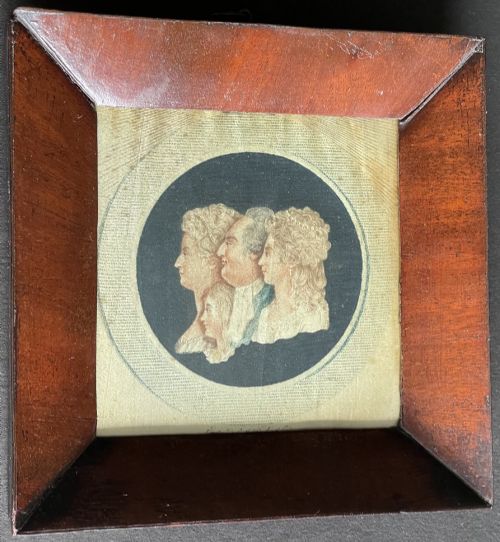
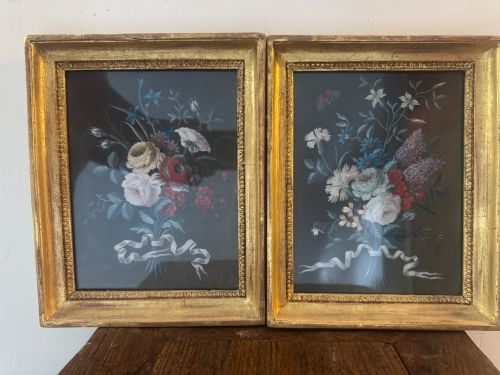
Housed typically in wood, gilt or gilt wood frames, sometimes retaining original glazing, these pieces bridge historical documentation and decorative graphic design. They range from single sheets to matched pairs and sets of three, rendered in ink, watercolour or printed on silk and paper.
Materials and technique
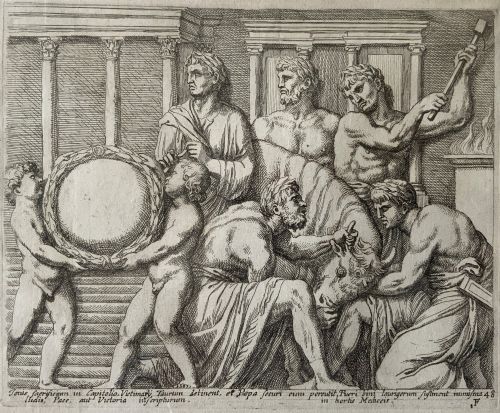
The primary vehicle for these works is paper, upon which ink is applied through engraving, etching or lithography, occasionally enhanced by hand colouring or gold leaf. Engravers and printers utilised copper plates or stones to transfer fine lines and tonal gradations.
Many works incorporate watercolour or ink tints applied by hand directly onto the printed surface, particularly in natural history plates and botanical studies. Silk serves as a support for specialised portraiture, whilst wood and gilt wood construct the enclosing frames.
Listings include architectural plans, anatomical illustrations and classical antiquity subjects spanning from the seventeenth to the twentieth century.
Distinctions in quality
Quality rests in the precision of the ink impression and the clarity of the lines, where plates pulled early in a run yield sharper detail than later printings. The presence of original hand colouring executed with skill elevates the artistic merit of botanical and zoological subjects.
The integration of period framing, such as eighteenth-century mouldings or original gilt wood surrounds, adds significantly to the historical integrity of the piece. Furthermore, the prominence of the engraver, artist or publisher involved in the production distinguishes masterworks from standard decorative plates.
Jean Mariette·François-Nicolas Martinet·Elisabeth Sonrel·Marcellin Auzolle·François Perrier·Étienne Baudet·Louis Icart·Le Brun·Toulouse Lautrec·Julian Mandel·Henry Arthur Roberts·Gustave Doré·Adolphe Pannemaker
The Antique French Art Print Glossary
- Engraving
- A printmaking technique where an artist carves an image directly into a metal plate with a burin. The resulting lines hold the ink for transfer under pressure.
- Lithography
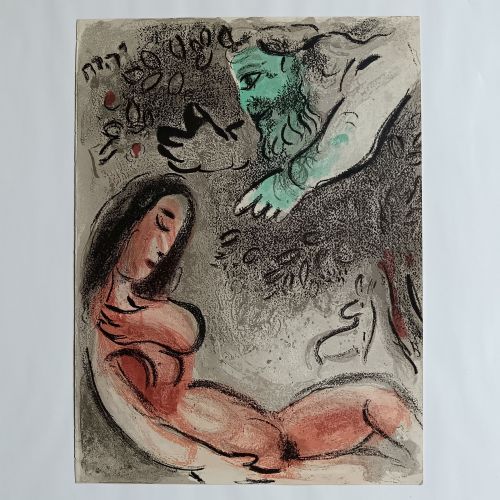
- A planographic printing process based on the repulsion of oil and water, enabling the reproduction of fluid, painterly tones.
- Etching
- A method where lines are bitten into a metal plate using acid rather than direct physical force. This allows for free, expressive draughtsmanship.
- Oleograph
- A type of chromolithography textured to imitate an oil painting, often applied to canvas or paper.
- Cartography
- The science and art of making maps, represented here in period atlas plates and geographical plans.
Antique French Art Print: Frequently Asked Questions
How do I care for antique paper art?
Keep framed pieces away from direct sunlight to prevent the fading of ink, watercolour and hand tinting on the paper.
Maintain stable indoor humidity levels to protect both the antique paper sheets and their period wooden frames.
Are these prints original period pieces?
The works listed originate from the specific centuries and decades attributed to them, utilising period printing techniques.
Signatures, plate marks and paper characteristics help corroborate the historical era of production for each individual artwork.
How were these prints originally used?
Many began as illustrations bound within scientific folios, atlases, architectural treatises or natural history volumes before later framing.
Others functioned as independent wall decoration, educational wall charts, religious devotionals or commercial publicity posters.
Can I hang prints in pairs or sets?
Matched pairs and grouped series appear frequently, reflecting how publishers originally issued botanical plates, architectural plans and engravings.
Grouping works by the same period, subject or printmaker creates a balanced display across a wall space.