
Monochrome Classical Engraving
Monochrome classical engraving brings the grandeur of antiquity and the discipline of historical printmaking directly to the domestic wall.
Monochrome Classical Engraving
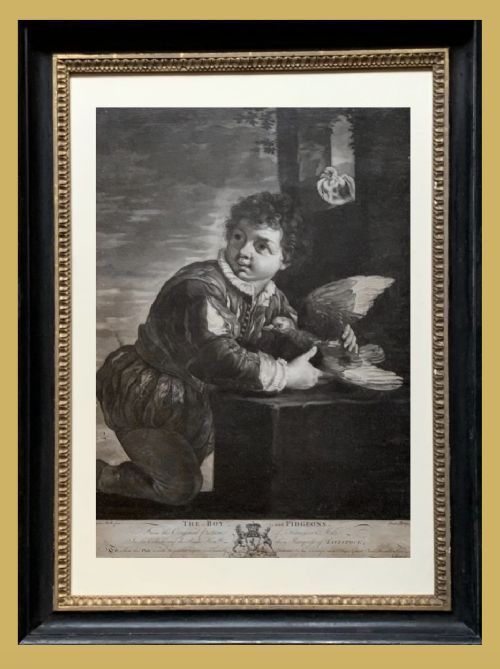
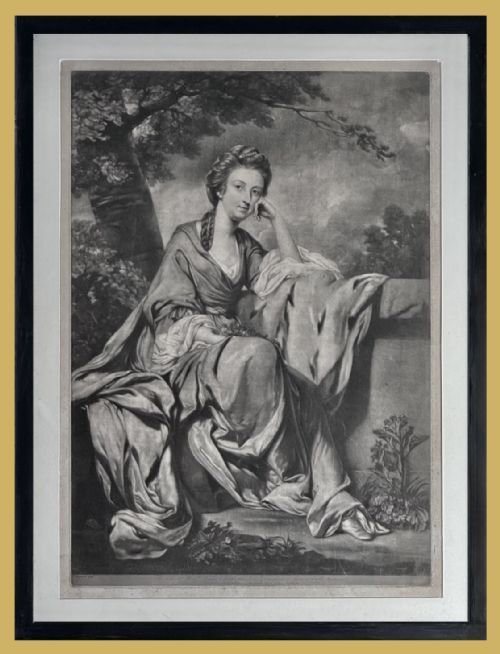
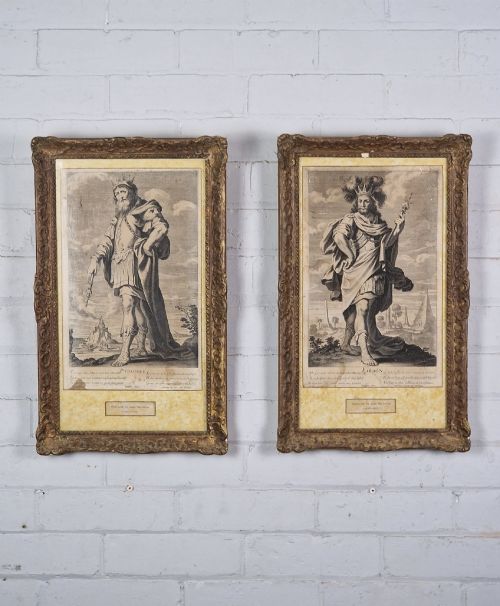
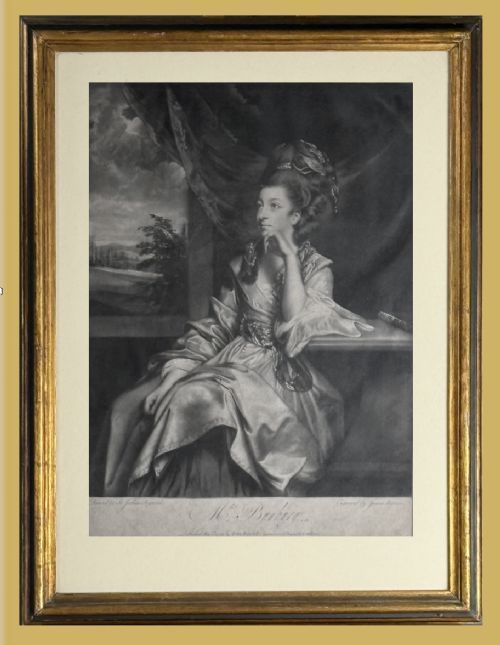
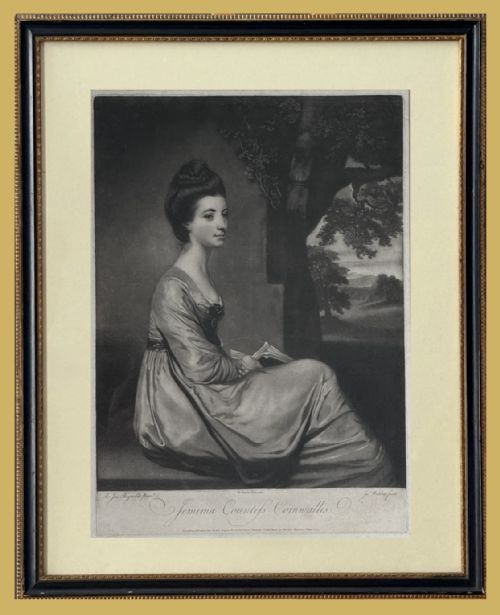
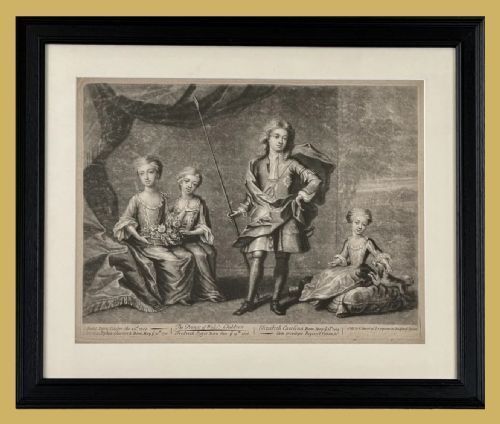
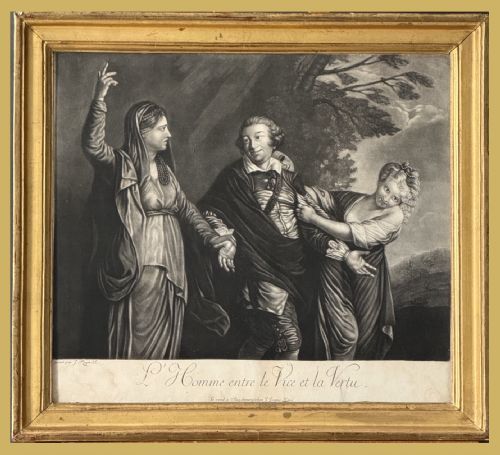
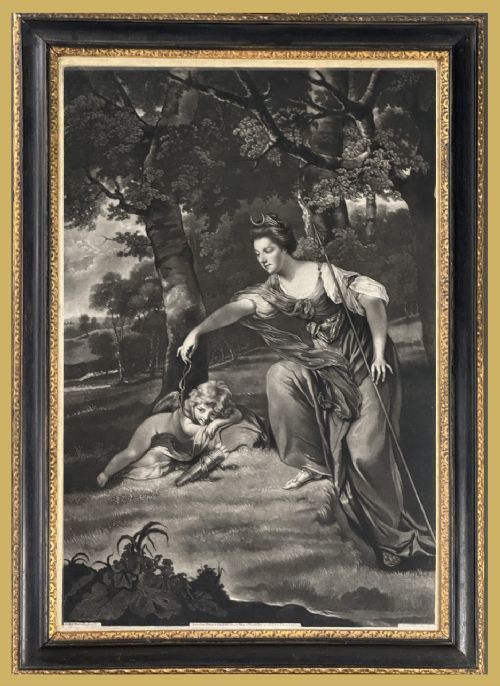
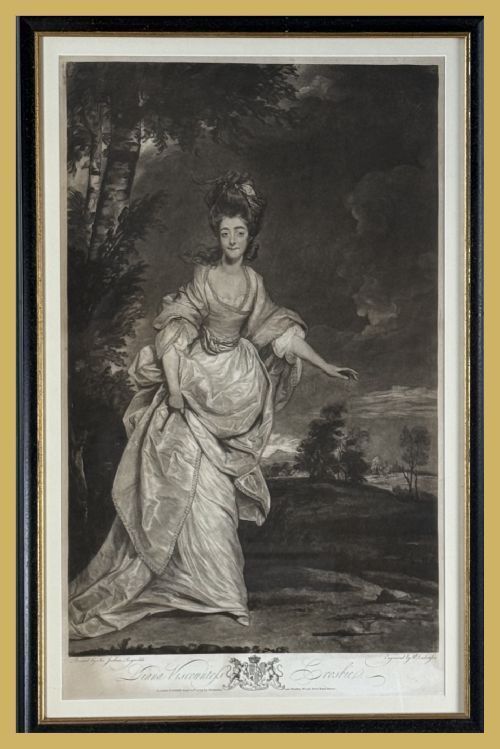
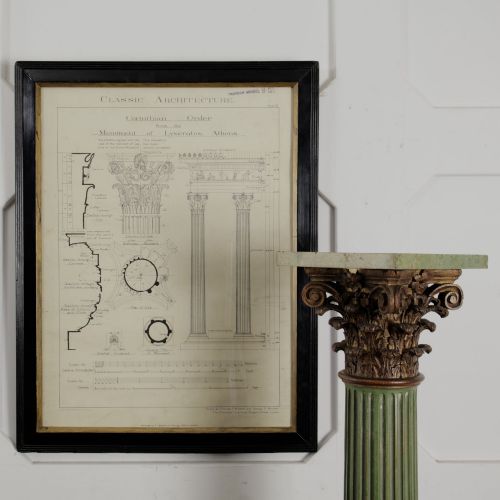
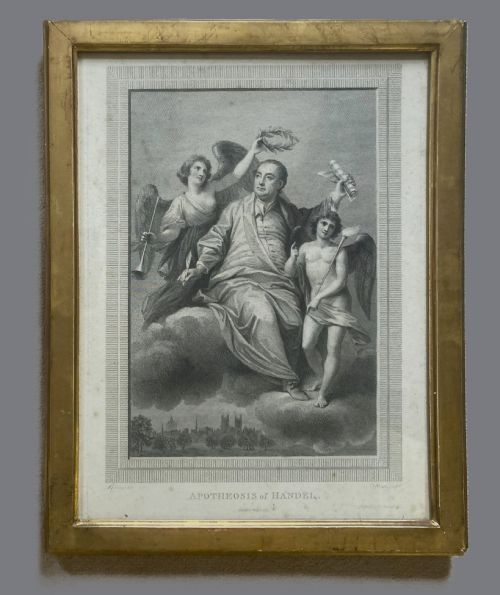
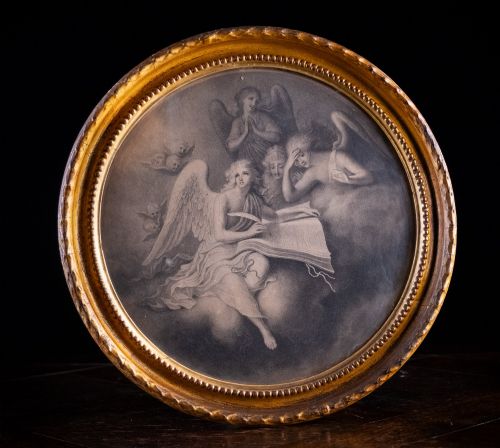
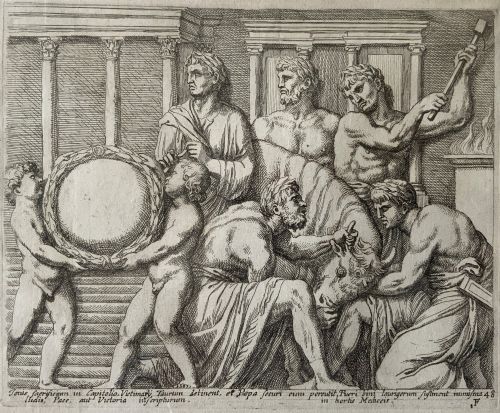
Monochrome classical engraving covers works printed in single-colour inks on paper, focusing on ancient architecture, mythology and portraiture from the seventeenth to the nineteenth centuries. These pieces reflect the intellectual appetite for antiquity, spanning the grand tour souvenir plates to detailed interpretations of Renaissance frescoes.
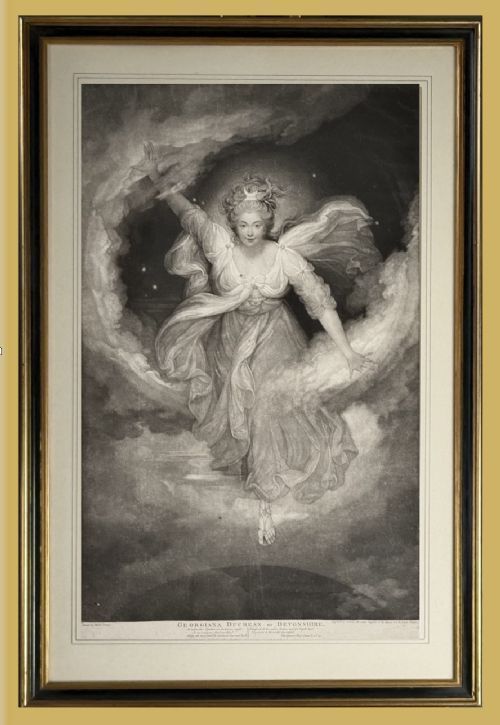
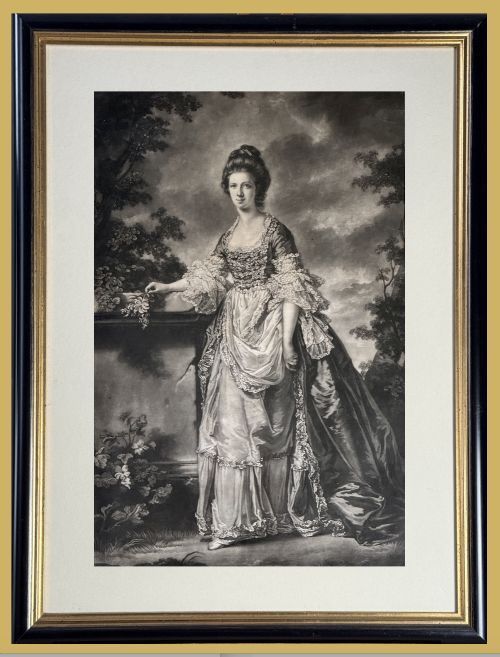
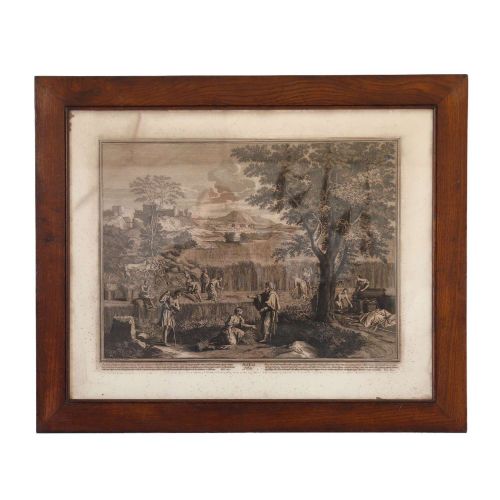
Buyers on this page most frequently encounter eighteenth-century mezzotints and copperplate engravings framed in period wood, alongside architectural plates depicting temples and Vatican loggies. The selection ranges from monumental architectural elevations to intimate mythological scenes translated by master printmakers.
Materials and printmaking techniques
Makers utilised high-grade laid or wove paper combined with rich black or sepia inks applied from copper plates or steel plates. Mezzotint plates were prepared by roughening the copper surface with a rocker to hold ink for deep tonal gradations, whilst line engravings relied on precise incisions made with a burin.
Framing materials reflect the period of production, employing wood, gold leaf, gilt and giltwood to house the works securely. Protective glass typically covers the paper sheets, preserving the delicate monochrome tones from atmospheric degradation.
Early print collectors frequently cut down large architectural plates to fit neatly into travelling trunks.
Factors of quality and execution
Quality rests upon the crispness of the plate impression and the reputation of both the original artist and the engraver. Early impressions taken before the copper or steel plate wore down display sharp lines and velvety dark tones, whereas later printings lose definition in the shadows.
The integrity of the paper and the presence of original framing materials significantly influence the standing of a piece. Margins left intact around the image plate mark a higher grade of survival compared to trimmed sheets.
John Boydell·Edward Fisher·James Watson·Sir Joshua Reynolds·François Perrier
The Monochrome Classical Engraving Glossary
- Engraving
- A printmaking technique where an artist cuts lines directly into a metal plate using a tool called a burin. The resulting metal grooves hold the ink that transfers to the paper under pressure.
- Mezzotint
- A tonal printmaking process where the copper plate is roughened uniformly to produce rich dark areas and subtle gradations of light. This method allows for smooth transitions without reliance on line work.
- Etching
- A process where metal plates are coated with an acid-resistant ground and drawn through with a needle before being submerged in acid to bite the lines. It yields fluid, expressive marks characteristic of hand-drawn illustrations.
- Grand Tour
- A traditional trip through Europe undertaken by upper-class young men in the eighteenth and nineteenth centuries to study art and antiquity. Souvenirs from these journeys included architectural prints and classical engravings.
- Plate mark
- The indented impression left on the paper by the edge of the metal printing plate during the press run. Its presence confirms the physical dimensions of the original copper or steel matrix.
Monochrome Classical Engraving: Frequently Asked Questions
What subjects do these engravings show?
The subjects encompass ancient Greek and Roman architecture, classical mythology, Vatican decorative schemes and notable portraits. Many plates record ruins from Athens or Rome alongside grand compositions by Renaissance painters.
These prints served as both educational records for travellers and sophisticated wall decoration for libraries and drawing rooms.
How do I care for framed paper prints?
Protect the paper by hanging pieces away from direct sunlight and maintaining stable indoor humidity levels. Ultraviolet light fades the monochrome ink and degrades historical paper over time.
Ensure the frame remains properly sealed to prevent dust and moisture from reaching the vulnerable sheet within.
How are seventeenth and eighteenth-century prints told apart?
Seventeenth-century works often display heavier plate wear, bolder etching lines and distinct paper characteristics associated with early handmade vellum or laid paper stocks. Eighteenth-century examples frequently utilise refined mezzotint techniques or precise architectural delineation.
Typography, plate signatures and subject styling further help establish the era of publication.
Were these prints always framed?
Many sheets were originally issued unbound or collected in bound volumes and portfolios rather than hung directly on walls. Owners later selected frames matching contemporary interior styles, ranging from Georgian giltwood to simple nineteenth-century mouldings.
Finding a print in its original or period frame remains a notable indicator of how the object was preserved through history.