



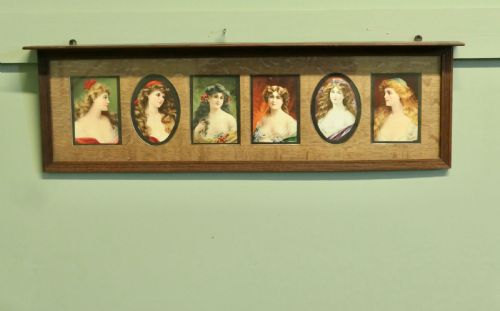
Oak Framed Print
When you search for an oak framed print, you are looking at centuries of paper, ink, and watercolour held within timber moulding.
Oak Framed Print
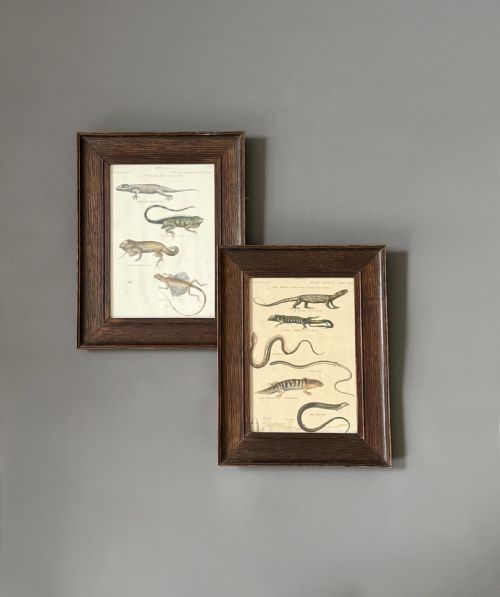
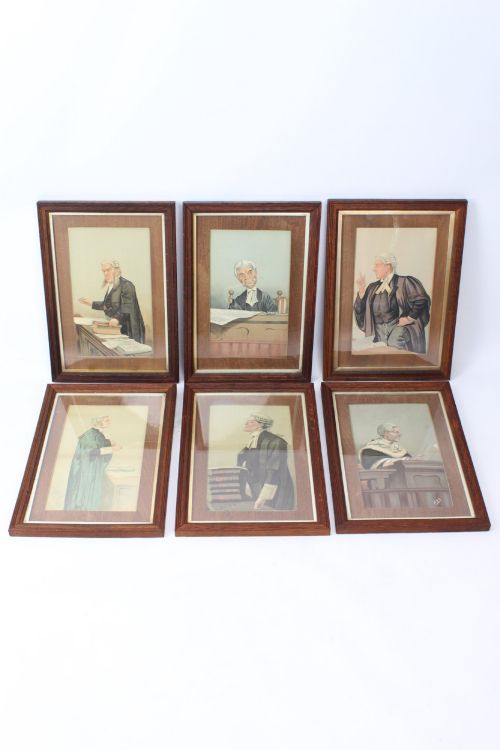
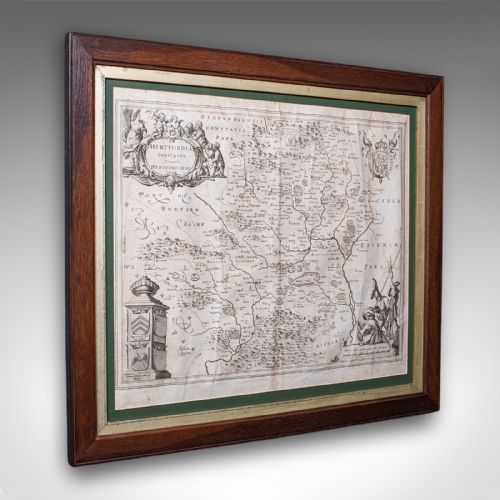
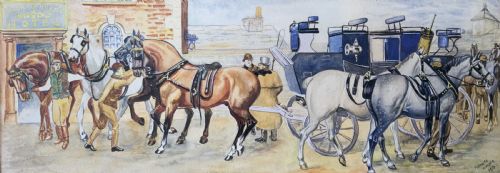
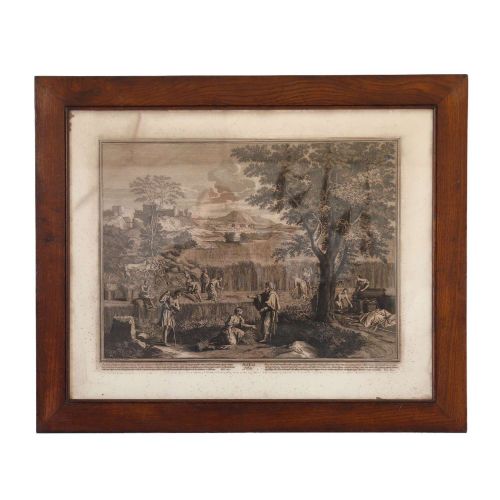
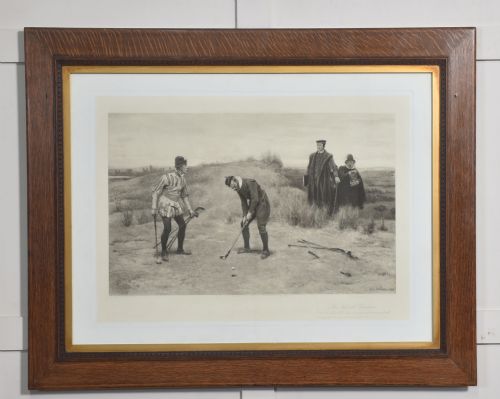
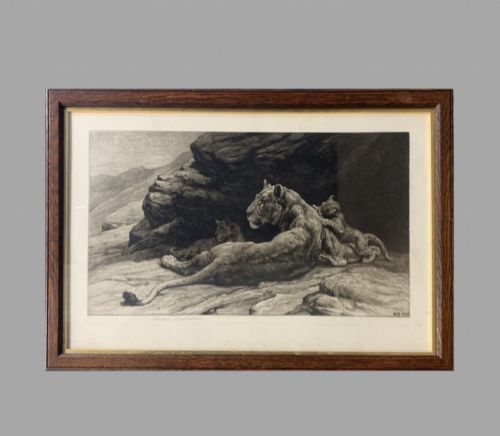
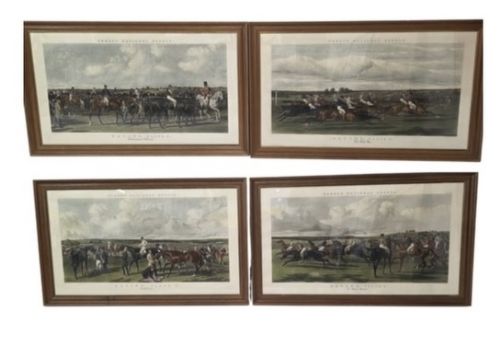
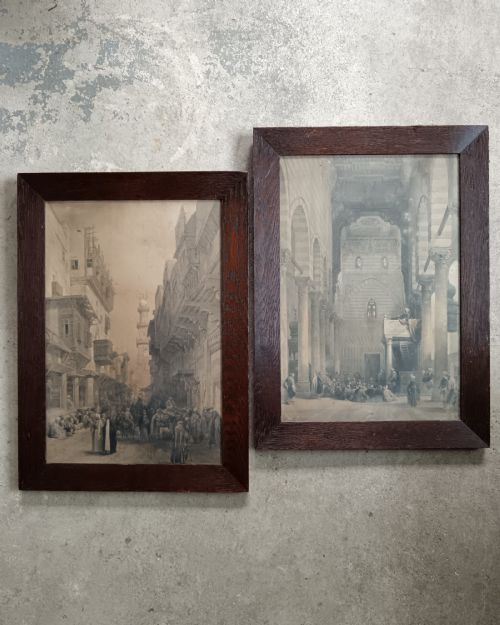
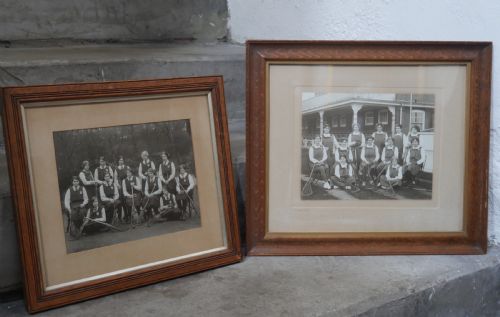
An oak framed print combines works on paper, such as engravings, etchings, lithographs, and watercolours, with traditional timber surrounds. These pieces range from seventeenth-century cartography and eighteenth-century natural history plates to nineteenth-century sporting art and twentieth-century photographs.
The timber casing provides structural support and aesthetic contrast to the paper within. You will frequently encounter nineteenth-century natural history studies, Edwardian sporting sequences, and early twentieth-century topographical maps secured behind glass.
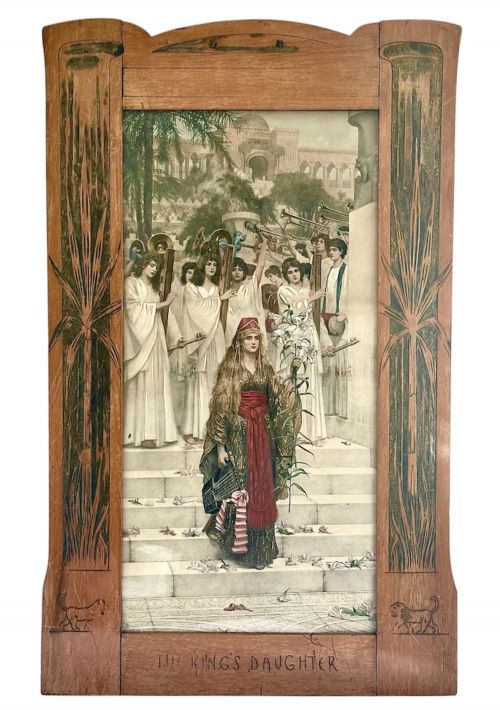
The wooden moulding varies from simple squared sections to heavily carved or spiral details. Each combination reflects the period in which the artwork was created or subsequently mounted.
Materials and construction
The physical objects rely on paper substrates marked by ink, watercolour, or photographic emulsion, protected beneath glazing. Artisans shaped oak timber into protective rebated mouldings to house these delicate sheets, sometimes adding gold leaf accents for depth.
Makers utilised traditional hand tools to join the corners of the wood, securing the backing boards with historical fixings. The paper works themselves demonstrate printing techniques ranging from copperplate engraving to early photographic reproduction.
Several fish illustrations owe their preservation to an ichthyologist born in Cornwall during the eighteenth century.
Distinctions in quality
Quality rests in the harmony between the art on paper and its timber housing. Strong examples feature crisp impressions from plates or vibrant pigments on stable paper, complemented by period oak frames that show careful joinery and original patination rather than crude modern replacements.
The depth of the framing components and the condition of the glass also separate standard decorative pieces from significant survivals. Intact margins on historical maps and clear signatures on artist proofs elevate individual pieces.
The Oak Framed Print Glossary
- Engraving
- A printmaking method where an artist cuts lines into a metal plate to hold ink. The resulting image transfers under pressure to paper, creating sharp, precise details.
- Lithography
- A planographic printing process based on the repulsion of oil and water. Artists draw on limestone or metal plates to produce multi-coloured or tonal prints.
- Etching
- A technique where acid bites lines into a metal plate coated with an acid-resistant ground. This process yields softer, more fluid lines than direct engraving.
- Photogravure
- A photographic printing process that produces rich tonal gradations by transferring an image from a copper plate. It captures the subtleties of original photographs.
- Cartography
- The study and practice of making maps. Antique examples often feature hand-coloured boundaries and decorative cartouches.
Oak Framed Print: Frequently Asked Questions
How do I date an oak framed print?
Dating relies on examining the paper type, printing technique, and framing construction methods together. Early pieces often feature hand-laid paper and traditional timber joinery.
Secondary clues include handwritten inscriptions, tax stamps, or historical framer labels attached to the reverse of the backing board.
Are these frames original to the artwork?
Many pieces retain their original wooden surrounds, particularly those from the Victorian and Edwardian eras. Timber mouldings were often selected to complement the tone of the ink or watercolour.
Subsequent re-framing is common over long histories, so examining the fit and timber oxidation helps determine if the pairing is contemporary.
How should I care for historical paper?
Paper works require protection from direct sunlight to prevent fading of inks and watercolours. Stable humidity levels prevent warping of both the paper and the wooden frame.
Displaying pieces away from direct heat sources ensures the timber joints and glass seals remain secure over time.
What subjects are most common?
Historical maps, natural history studies, and sporting art frequently appear in these timber housings. Military formations, architectural engravings, and topographical views also recur across different centuries.
Portraiture and photographic records from the early twentieth century represent another major category of surviving framed works.