

Antique Wall Decoration
Antique wall decoration brings centuries of craftsmanship into domestic spaces through mirrors, textiles, and carved panels.
Antique Wall Decoration
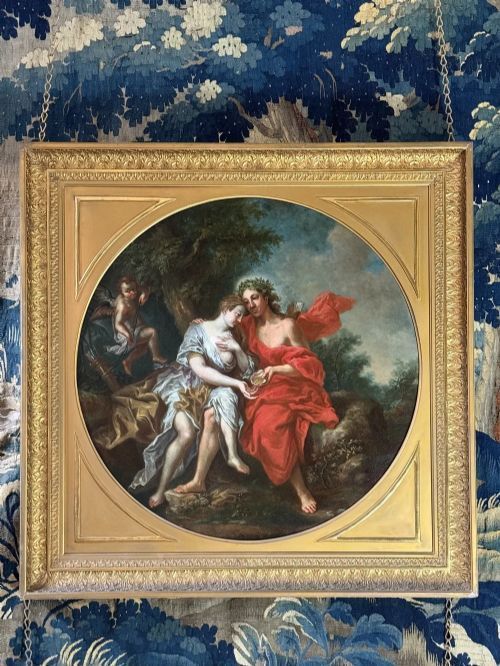
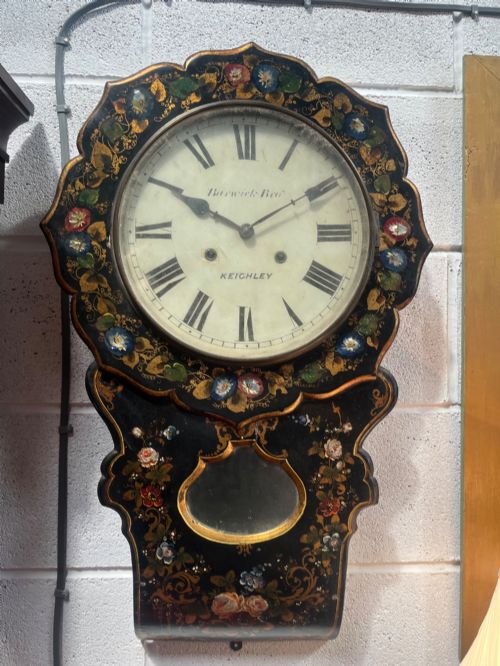
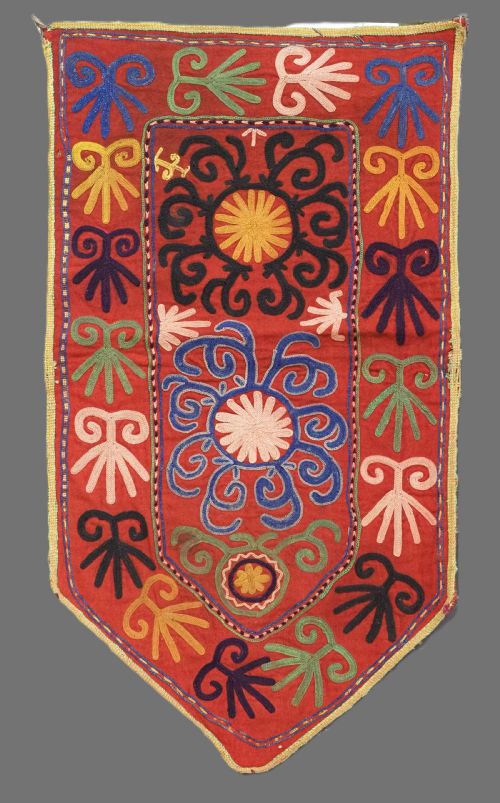
The term antique wall decoration spans a diverse range of objects intended to adorn domestic interiors, from mirrors and mounted taxidermy to architectural fragments and tribal textiles. Buyers searching this phrase encounter everything from formal Georgian and Victorian framed works to rural Central Asian tribal hangings and Japanese cloisonné plates.
The selection on this page relies heavily on nineteenth-century pieces alongside eighteenth-century works, featuring materials such as oak, brass, wool, and glass. Forms range from utilitarian items like ceramic tiles and barometers adapted for display to purely ornamental wall art and carved wooden panels.
Materials and construction methods
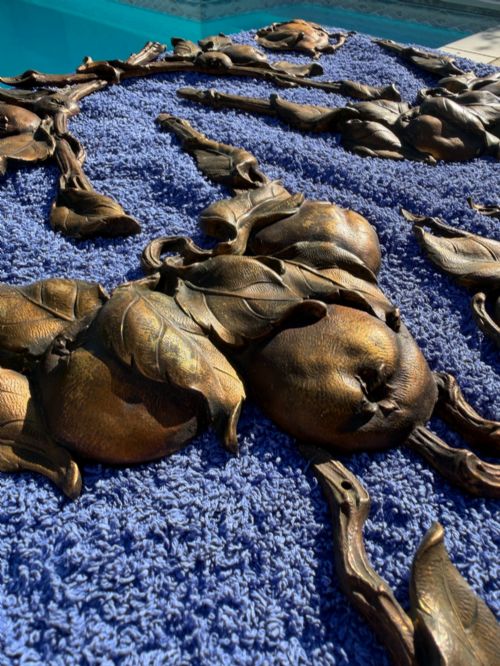
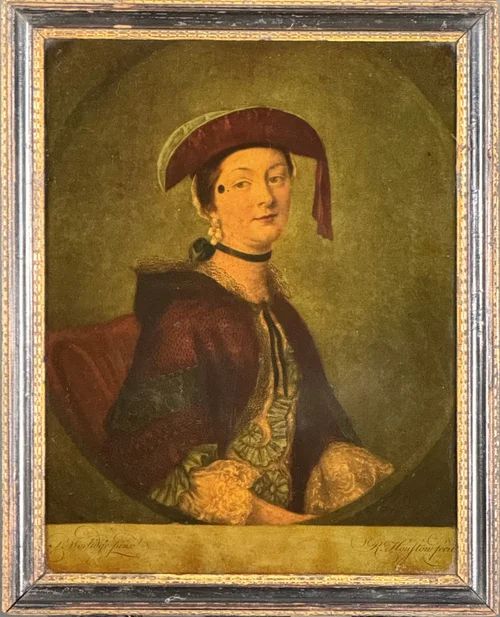
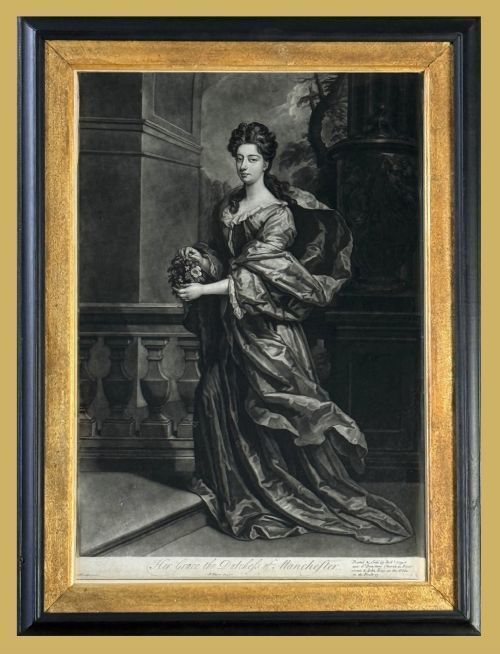
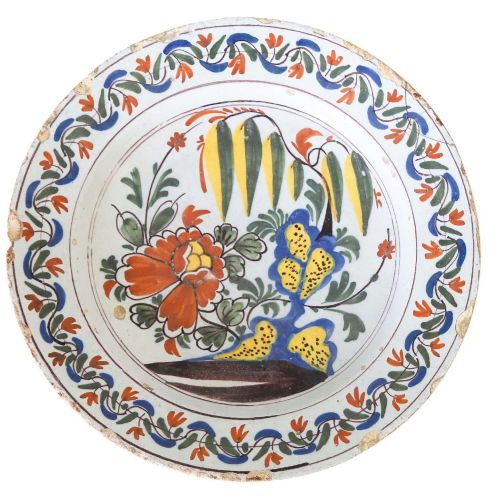
Makers utilised traditional hand-working techniques across wood, metal, and textiles, employing carved oak frames, cast bronze appliques, and hand-beaten brass shields. Glass appears in reverse-painted mezzotints and Venetian plates with latticinio threads, while ceramics manifest as Delftware chargers and heavy transfer-printed tiles.
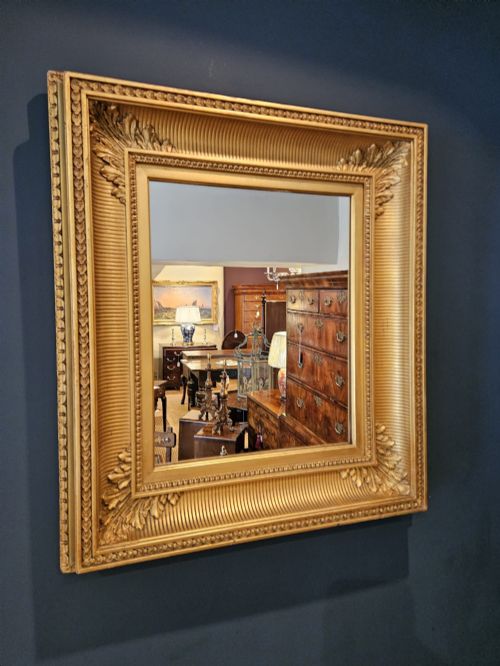
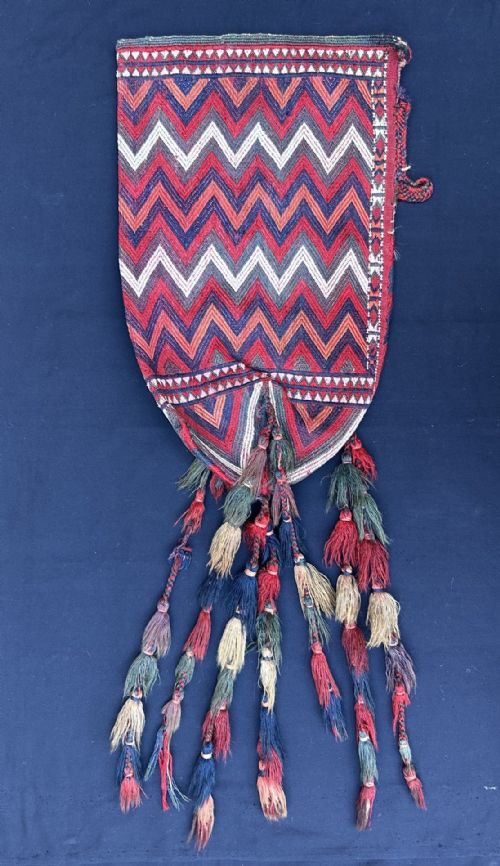
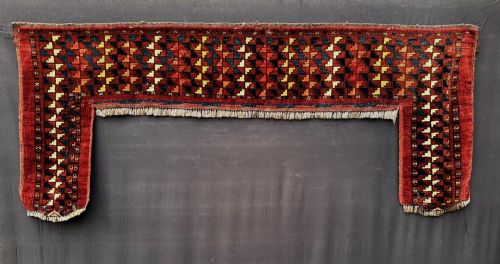
Textile decorations rely on intricate needlework, incorporating silk highlights on wool grounds for pieces originating in Central Asia. Giltwood mirrors and picture frames combine carved timber bases with applied gesso and gold leaf to achieve reflective brilliance.
The listings span multiple centuries, incorporating eighteenth-century reverse glass prints alongside nineteenth-century brass shields and twentieth-century metal sculptures.
Distinctions in quality and execution
Quality reveals itself in the precision of the hand-carved detail, the integrity of the original surface finish, and the survival of delicate components such as silk embroidery or early gilding. Superior examples display crisp definition in cast bronze or carved oak, whereas lesser pieces show softer contours and later surface interventions.
The origin and authenticity of materials further separate standard items from exceptional ones, particularly in tribal pieces where natural dyes and native wool condition long-term preservation. Original glass in mirrors and authentic nineteenth-century framing contribute substantially to historical and aesthetic standing.
Poix Blin·Charles Spooner·W Dickinson·Watson·Sir Joshua Reynolds·John Faber Jr·Sir Godfrey Kneller·Mintons·Salviati Venice·Edward Pearce·Gerrard and Sons London
The Antique Wall Decoration Glossary
- Asmalyk
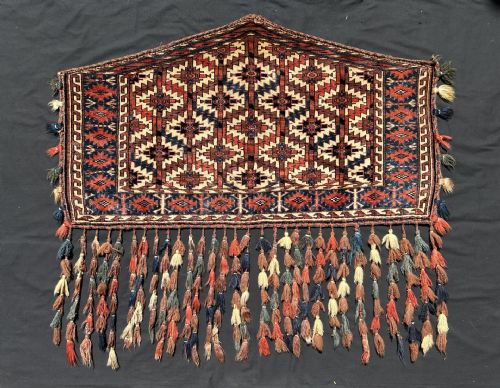
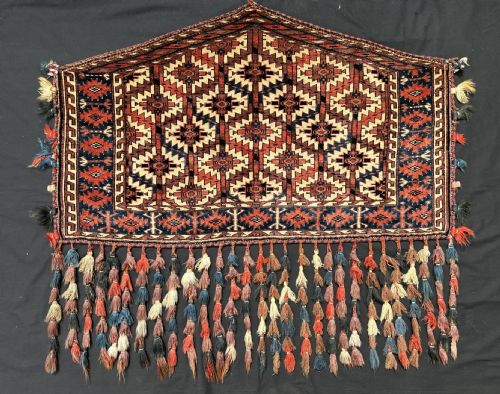
- A five-sided camel trapping produced by Turkmen tribes, used as wedding ornamentation and later hung upon walls.
- Mezzotint
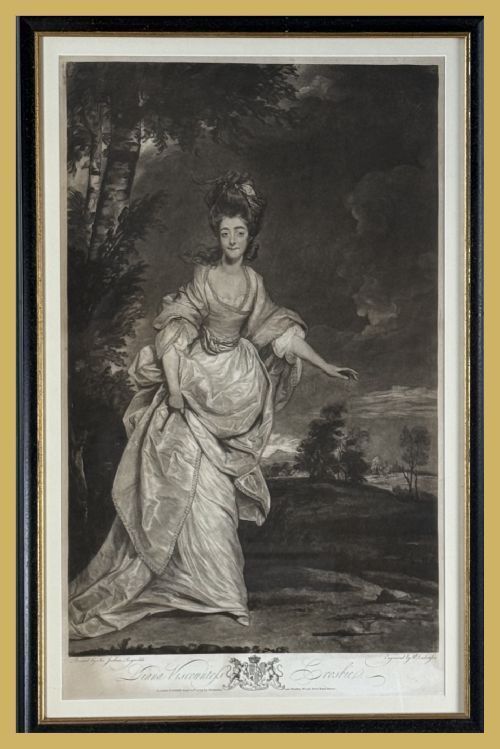
- A printmaking process of the intaglio family where tones are developed by roughening the copper plate with a rocker.
- Latticinio
- A glass-blowing technique featuring parallel white or coloured threads encased within transparent glass.
- Torba
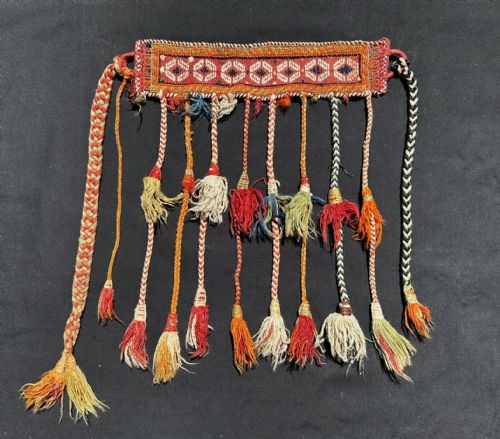
- A small storage bag woven by Turkmen nomads, frequently displaying intricate geometric guls and embroidered faces.
- Gesso
- A plaster mixture spread over a wooden or canvas substrate to prepare it for painting or gilding.
Antique Wall Decoration: Frequently Asked Questions
How do I hang heavy antique wooden panels?
Heavy carved panels require secure fixings into structural wall studs or solid masonry using appropriate brackets. Distributing the weight evenly prevents warping and protects the antique timber.
Professional installation is recommended for oversized pieces such as architectural salvage or large taxidermy shields to ensure safety and stability.
Can antique textiles be displayed in direct sunlight?
Wool, cotton, and silk textiles fade rapidly when exposed to direct daylight. Position these wall hangings in shaded areas away from windows to preserve the natural dyes.
Rotating pieces periodically also helps prevent uneven colour degradation over the years.
How should I clean antique gilded mirrors?
Dust gilded wood frames gently with a dry, soft brush to remove surface particles without disturbing the delicate gold leaf. Avoid moisture and commercial cleaning sprays entirely.
Glass surfaces can be wiped cautiously with a cloth dampened slightly with distilled water, ensuring no liquid seeps behind the frame rebate.
What defines a genuine tribal wall hanging?
Genuine tribal pieces feature hand-spun wool, natural dyes, and traditional tribal motifs specific to regions such as Central Asia or Persia. Irregularities in the weave indicate human hand production rather than mechanical manufacture.
Documentation and physical examination of the backing materials help confirm the age and origin of nomadic weavings.