

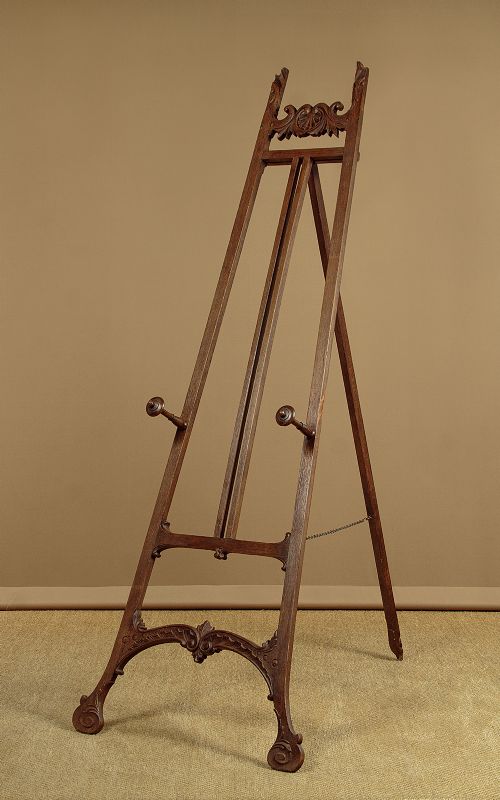


Oak Picture Frame
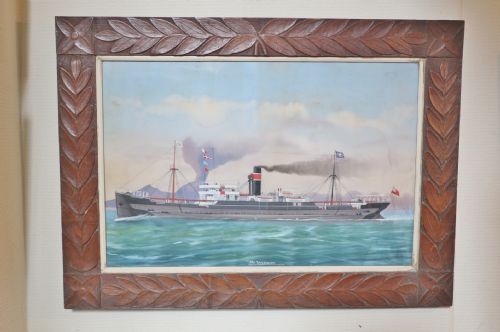
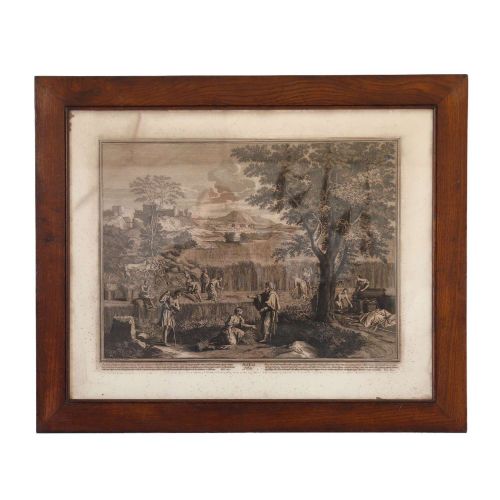
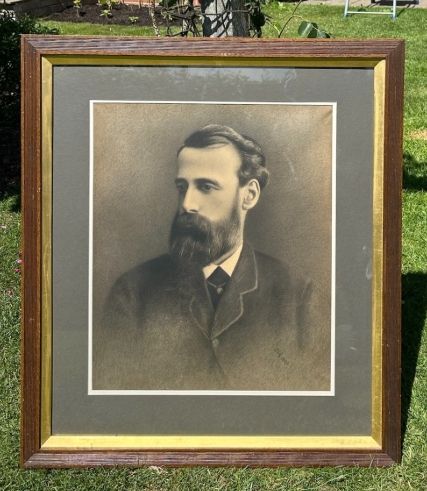
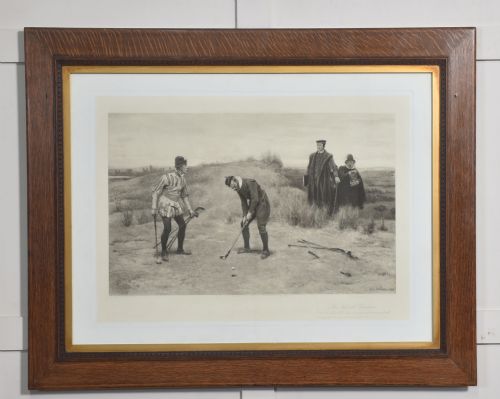
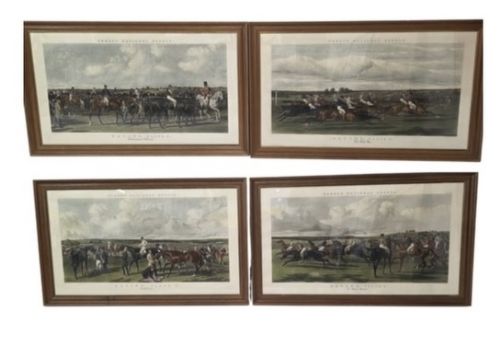
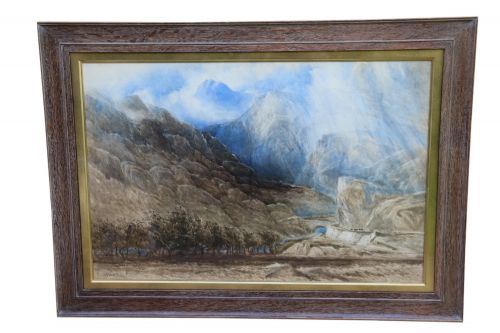
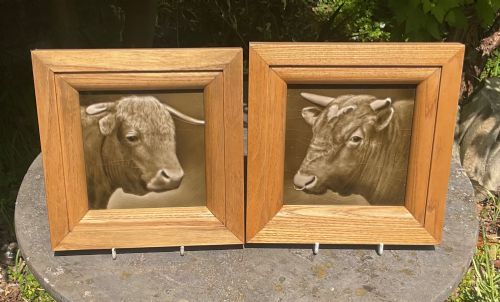
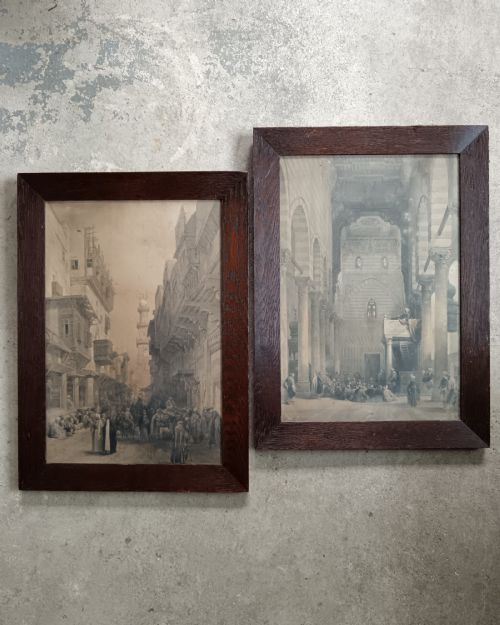
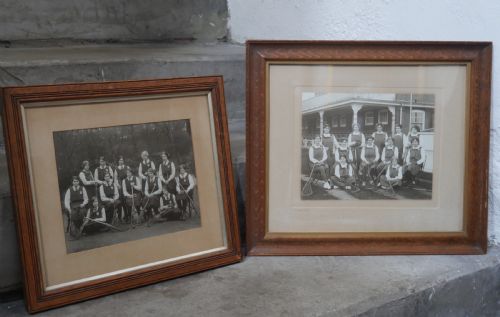
When you choose an oak picture frame, you select a robust timber moulding designed to hold prints, oils, watercolours, or photographs securely.
Oak Picture Frame
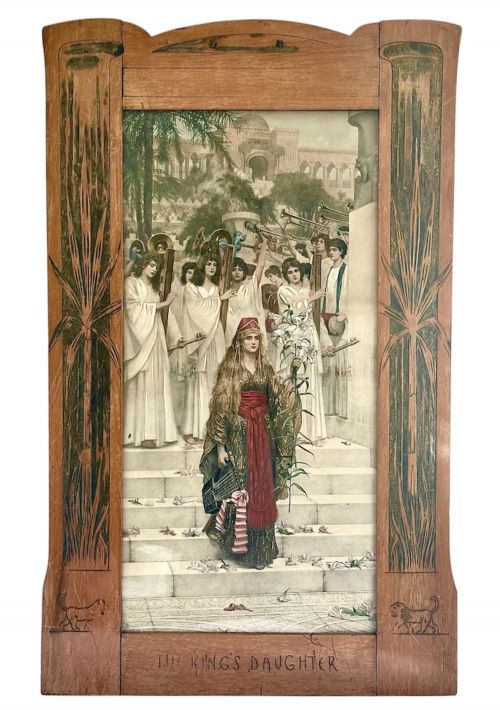
An oak picture frame provides a sturdy wooden boundary for works on paper, canvas, and panel, appearing frequently across this selection in various historic styles. These surrounds range from plain timber mouldings to elaborately carved constructions designed to complement the artwork they enclose.
The pieces on this page span several centuries, with particular concentrations from the Victorian, Edwardian, and early twentieth-century periods. Buyers encounter both empty frames ready for new art and complete pieces housing period prints, photographs, and original paintings.
Makers utilised oak for its pronounced grain and durability, producing rectangular wall hangings, slip frames, and easel-backed table displays. These items frequently incorporate glass, metal, and gilt accents to enhance the visual impact of the enclosed imagery.
How they were made
Craftsmen shaped solid oak timber using hand woodworking tools to create rebated mouldings, mitring the corners to form secure joints. Many examples feature hand-carved detailing, incorporating decorative motifs directly into the wooden surface.
Makers often combined the natural timber with secondary materials such as gesso, gold leaf, and metal slip linings to provide contrast and depth. Backings typically consist of timber panels or oak struts designed to support the weight of the framed artwork and glass.
The listings on this site feature oak picture frames paired with diverse artistic mediums, including nineteenth-century watercolours, oil paintings, photographs, and woolwork needlepoint.
What varies in quality
The distinction between standard commercial surrounds and finer items lies in the depth of the carving and the selection of the timber grain. Superior examples exhibit crisp, hand-carved details and careful joint construction that remain tight over generations.
Originality heavily influences the standing of a piece, particularly whether the backing boards, glass, and surface finish correspond to the period of manufacture. Surviving gilding and untouched patination on the oak surface indicate careful preservation.
The Oak Picture Frame Glossary
- Rebate
- The recessed channel on the inner rear edge of a frame that holds the glass, artwork, and backing board in place. This measurement determines the maximum dimensions of the picture inserted.
- Slip
- A narrow secondary frame or liner fitted inside the main moulding, often finished in gold leaf or gilt to separate the artwork from the outer border.
- Gesso
- A plaster-like mixture applied to wooden frames as a smooth base for gilding or painting. It allows craftsmen to model intricate decorative details.
- Mitre
- The diagonal cut, usually at a forty-five-degree angle, used to join the corners of the frame moulding. Precise execution ensures a tight, clean edge.
- Stumpwork
- A raised form of embroidery popular in the seventeenth century, often featuring historic or biblical figures framed in wood. The technique creates a high-relief dimensional textile effect.
Oak Picture Frame: Frequently Asked Questions
How do I date an oak frame?
Dating relies on observing the assembly methods, timber characteristics, and style of carving present in the moulding. Earlier pieces from the seventeenth and eighteenth centuries often display hand- cut joinery and deep relief carving.
Later Victorian and Edwardian examples tend to utilise machine-sawn timber and factory-applied gesso decoration. Comparing the backing materials and fixings to known period examples helps confirm the age.
Are these frames suitable for modern art?
An antique oak surround provides a strong textural contrast that complements contemporary prints, drawings, and paintings. The neutral tones of the wood grain integrate easily into various interior settings.
Selecting a frame with the correct rebate depth ensures the modern artwork sits securely behind the glass. The historic character of the timber adds depth to minimalist or abstract pieces.
How should I clean the wood?
Maintenance involves gentle dusting with a soft, dry cloth to remove surface particles without disturbing the natural patination. Avoid using liquid polishes or chemical cleaners that can penetrate the grain and damage historic finishes.
For carved areas, a soft artist brush lifts dust from the recesses of the woodwork safely. Regular inspection of the hanging hardware ensures the piece remains secure on the wall.