




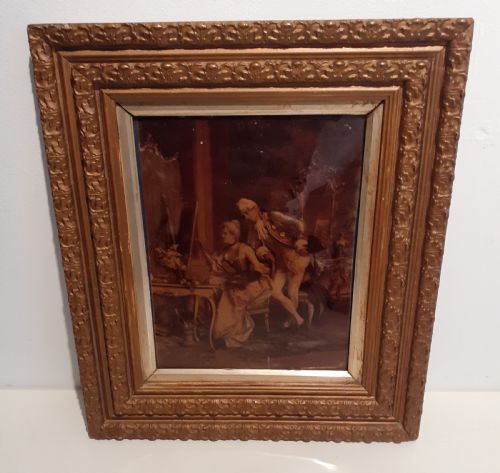

Carved Wood Photo Frame
A carved wood photo frame brings tactile warmth and historic craftsmanship to any room.
Carved Wood Photo Frame
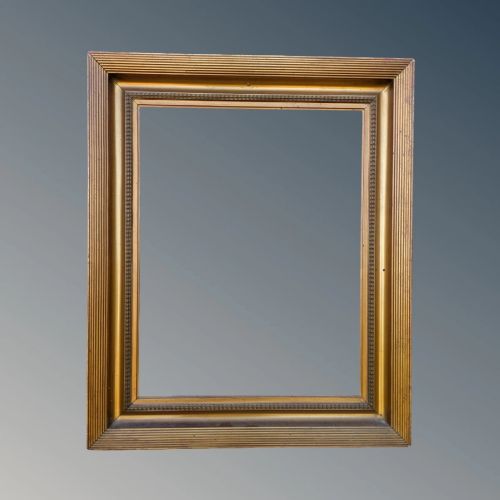
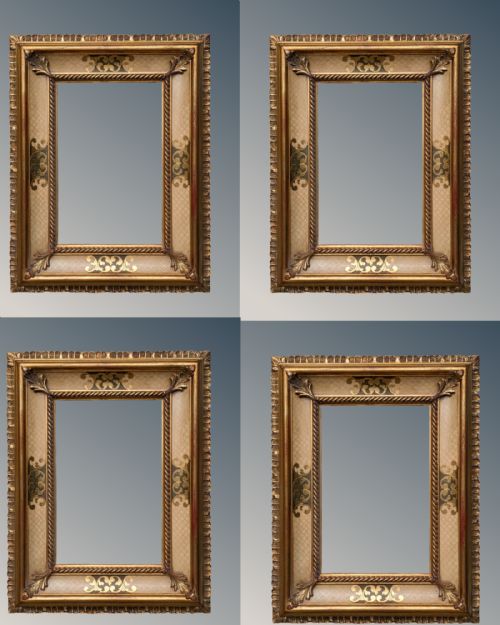
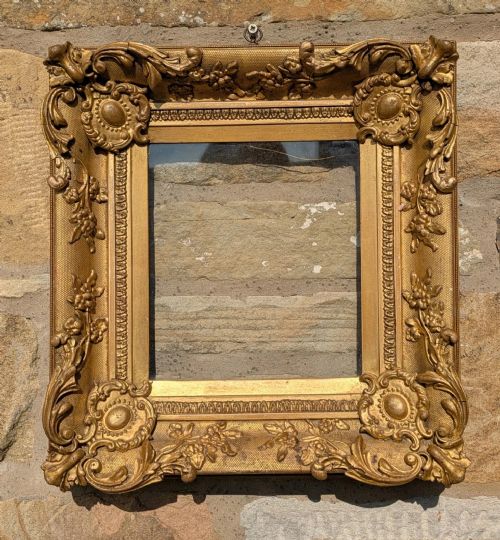
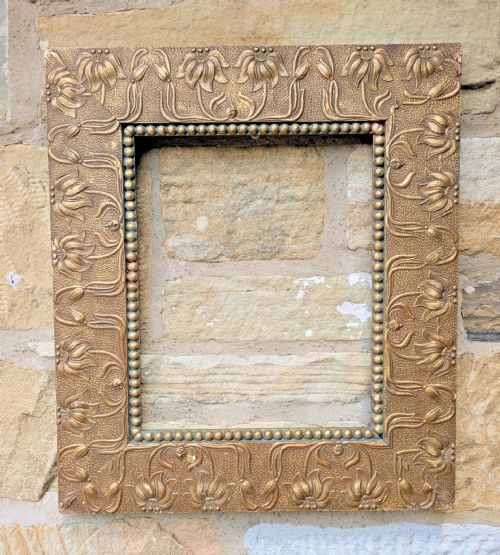
When you search for a carved wood photo frame, you encounter a diverse array of items spanning centuries from the seventeenth century through to the Edwardian era and the nineteen thirties. These objects take the form of picture frames, framed artwork, wall art, and portrait miniatures, demonstrating how makers historically chose to house cherished images.
On this page, you are most likely to meet examples defined by Victorian styles, Art Nouveau curves, and folk art traditions. The selection ranges from intricate Italian Baroque and Renaissance Revival pieces to rustic Black Forest and tramp art constructions, showing the vast geographical reach of frame making.
Many of these pieces function as standalone picture frames, while others still enclose period photographs, crystoleums, or miniature portraits. The physical forms vary from simple oak rectangles to deep gilded mouldings and elaborate oval configurations.
How they were made
Makers utilised timber and carved wood as the primary structural foundation, frequently employing oak and walnut alongside general timber. Artisans shaped these materials using hand carving techniques, evident in the detailed relief work seen on Black Forest and Kashmiri walnut pieces.
Surface finish played an essential role in the production process, with workshops applying gesso, gold leaf, and giltwood to enhance the visual depth of the carved motifs. This combination of carved timber and applied metallic leaf created the rich, reflective surfaces characteristic of Victorian and Baroque examples.
Materials documented across the pieces include gesso, gold leaf, giltwood, glass, and various carved timbers such as oak and walnut.
What varies in quality
The standard of a carved wood photo frame depends significantly on the depth and crispness of the hand carving rather than surface decoration alone. Superior examples display sharp undercut details in the foliage or figural elements, whereas lesser pieces show soft, shallow tooling.
Another measure of quality lies in the integrity of the construction and the application of historical finishes such as genuine gold leaf over gesso. Pieces that retain their original structural joinery and undisturbed patination stand apart from those with later alterations.
The Carved Wood Photo Frame Glossary
- Gesso
- A plaster-like mixture applied to wood surfaces to create a smooth base for gilding and moulding. This material allows artisans to carve intricate relief details before applying gold leaf.
- Giltwood
- Wood that has been coated with gold leaf or a gold-coloured finish. It provides a luxurious metallic sheen popular in Italian Baroque and Victorian frames.
- Black Forest
- A style of wood carving originating from the Swiss mountain region, known for highly naturalistic depictions of animals and foliage. These frames often feature deeply carved leaves and branches.
- Tramp art
- A form of folk art where pieces of scrap wood, such as cigar boxes, are notched, chipped, and layered in geometric patterns. This technique creates a distinctively textured, three-dimensional surface.
- Crystoleum
- A method of applying a hand-coloured photograph to glass and backing it with paint during the Edwardian period. Such items frequently sit within the decorative frames of the era.
Carved Wood Photo Frame: Frequently Asked Questions
What is a carved wood photo frame?
A carved wood photo frame is a decorative housing for pictures, created by artisans who shape timber using hand tools and chisels. These pieces range from simple domestic oak items to highly ornate gilded Italian revival pieces.
They serve both a functional purpose in preserving portraits and a decorative role as wall art.
How do I date a frame?
Dating a frame involves examining the wood type, construction methods, and stylistic cues such as Art Nouveau curves or Victorian deep mouldings. Secondary indicators include the presence of early glass or historical backing materials.
Comparing the decorative motifs to known period styles helps narrow down the decade of manufacture.
Where were these frames made?
These frames originated from various European and international workshops, including Italian centres producing Baroque and Renaissance revival pieces. Other notable origins include Kashmiri makers working with walnut and Swiss artisans producing Black Forest carvings.
Trade and travel also spread specific folk art traditions like tramp art across borders.
How should I clean antique frames?
Cleaning antique frames requires a gentle approach to preserve fragile gesso, gold leaf, and aged wood patination. Use a soft, dry brush to remove dust from recessed carvings without applying moisture.
Avoid chemical polishes or modern cleaning agents that can strip historical finishes.