





Brown Carved Picture Frame
These brown carved picture frame selections bring deep timber tones and tactile relief work to portraits, mirrors, and dioramas.
Brown Carved Picture Frame
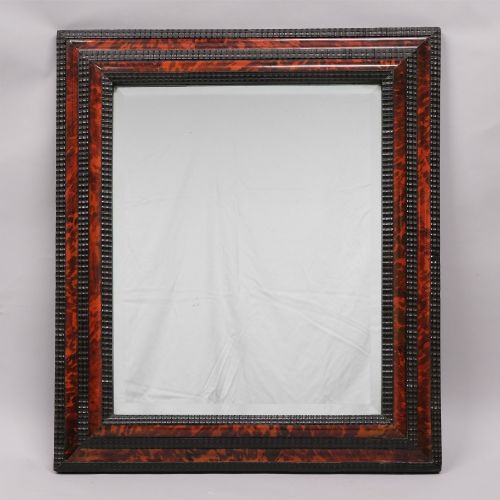
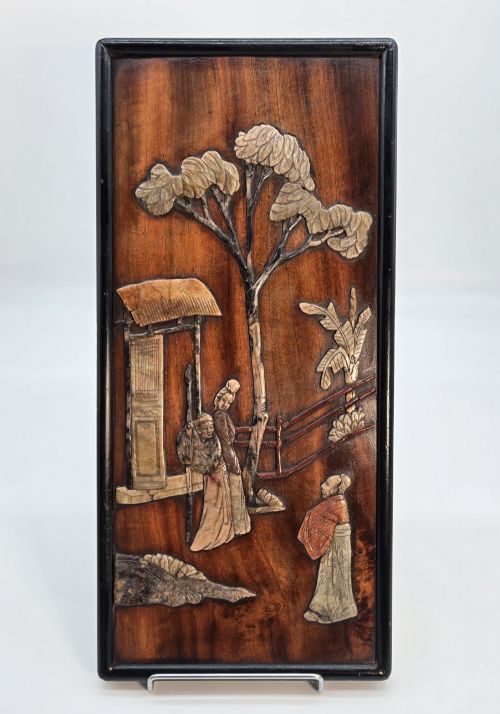
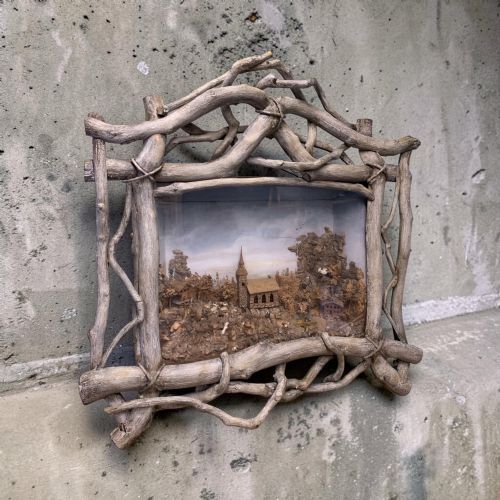
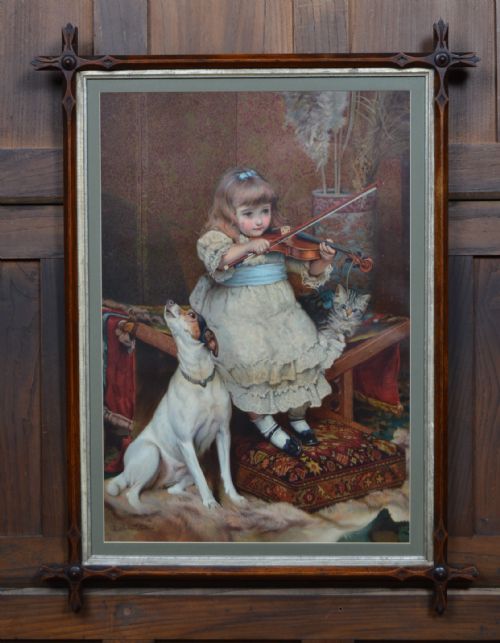
A brown carved picture frame encases wall art, mirrors, and needlework using rich timber tones and sculptural relief. When searching for a brown carved picture frame, you encounter Victorian oak, walnut, and ebonised wood structures alongside Flemish Revival and folk art designs.
The inventory on this page spans from the nineteenth century through the mid twentieth century, encompassing items from regional European workshops to distant trade centres. Makers applied hand-carved details to house photographic prints, oil paintings, and shadow box displays.
Forms range from simple domestic oak mouldings to intricate Black Forest carvings and layered tramp art constructions. Each piece relies on the natural warmth and grain of wood to frame its visual subject.
Materials and construction methods
Craftsmen built these frames using traditional timber species such as oak and walnut, alongside speciality materials including tortoiseshell and ebonised wood. Carvers worked directly into the substance using gouges and chisels to shape flora, fauna, and geometric repeating patterns.
Joinery methods varied from straightforward mitred corners reinforced with pins to complex layered assemblage seen in tramp art. Surface finishes relied on natural waxing, polishing, and oiling to highlight the underlying grain without obscuring the hand-carved facets.
Listings feature items dated from the nineteenth century up to the mid twentieth century, utilising materials like oak, walnut, tortoiseshell, and bronze.
Assessing craftsmanship and depth
Quality rests in the crispness and depth of the carving, distinguishing confident hand-tool work from shallow mechanical moulding. Superior examples display undercut details and well-defined relief that catches ambient light across the timber surface.
The integrity of the construction itself determines longevity, visible in tight corner joints and stable timber selection that resists environmental warping. Original surface treatments and untouched patination carry more weight than later refinishing efforts.
The Brown Carved Picture Frame Glossary
- Tramp art
- A folk art style of woodworking where makers notched, chipped, and layered small pieces of salvaged timber, often cigar boxes, to build highly textured frames.
- Black Forest carving
- Highly detailed Swiss and German woodwork characterised by deep relief depictions of natural elements, animals, and foliage.
- Ebonised wood
- Timber treated with a chemical stain or black finish to imitate expensive ebony, frequently utilised in nineteenth-century framing.
- Gouge
- A curved chisel used by carvers to cut concave channels and rounded contours into wooden mouldings.
- Ripple moulding
- A decorative frame profile featuring repeating undulating waves, often produced using specialised mechanical lathes during the seventeenth and nineteenth centuries.
Brown Carved Picture Frame: Frequently Asked Questions
How do I date a wooden frame?
Dating relies on examining the timber species, tool marks left on the reverse, and the assembly techniques used at the corners. Fastenings such as hand-wrought nails or early screws offer reliable chronological markers.
Secondary materials like backing boards, old glass, and paper labels further narrow down the decade of production. Stylistic motifs also align with specific periods, from Victorian folk art to Edwardian simplicity.
Can I hang these heavy frames safely?
Heavier timber and bronze structures require robust wall fixings secured directly into studs or masonry rather than standard plaster plugs. Weight distribution must be calculated carefully before mounting.
Installing sturdy D-rings and braided steel wire on the reverse ensures the piece hangs flush and secure. Period frames often benefit from upgraded internal hardware to support the load safely.
What art suits these frames best?
These frames complement nineteenth-century oil paintings, sepia photographs, botanical prints, and textured textiles like needlework. Matching the visual weight of the art to the boldness of the carved moulding is essential.
Contrasting dark timber with pale mount boards helps lighter watercolours or gouache paintings stand out clearly. The frame should enhance the artwork rather than overpower its composition.