




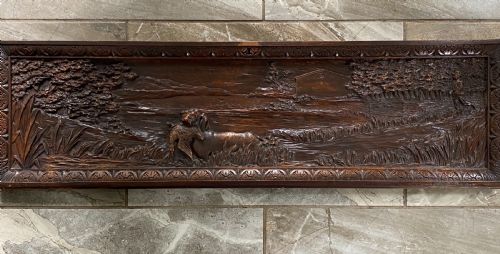
Black Forest Wall Art
Black forest wall art brings deeply textured nineteenth-century woodland carvings, hunting trophies, and rustic frames straight into domestic interiors.
Black Forest Wall Art
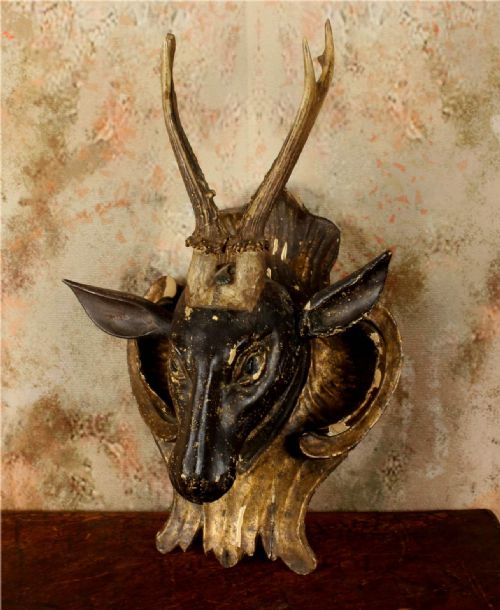
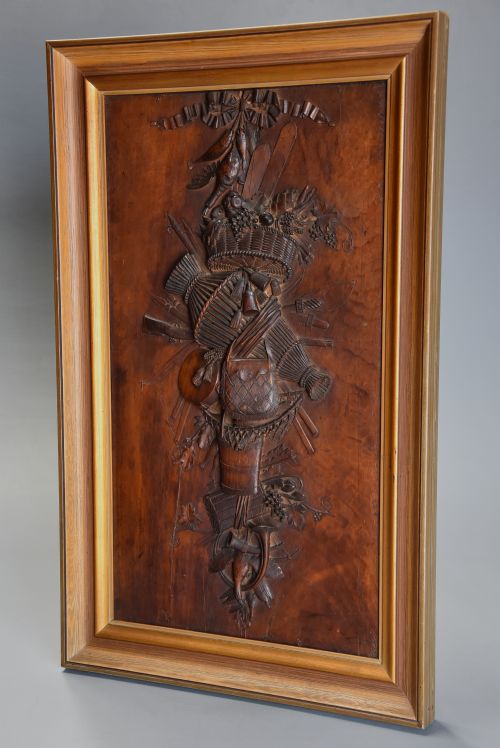
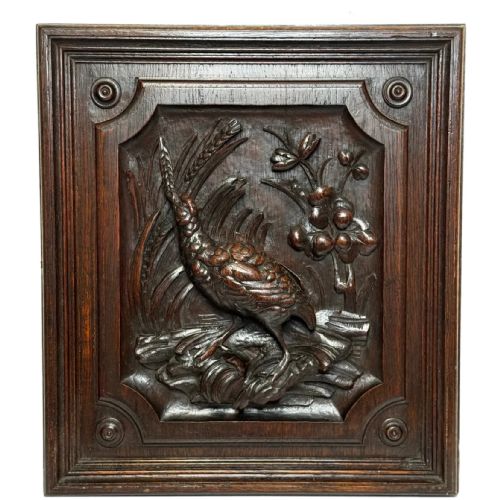
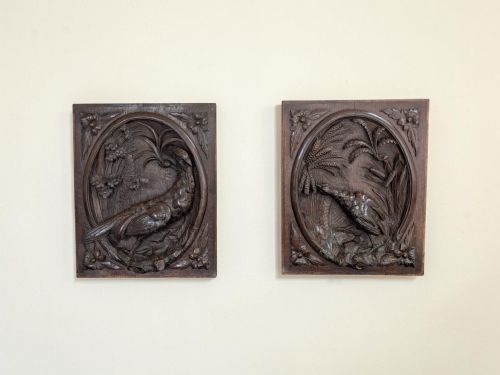
When you search for black forest wall art, you encounter highly decorative nineteenth-century woodcarvings originating primarily from European woodland regions, particularly during the Victorian era. These pieces range from substantial hunting plaques featuring deer heads and birds of prey to intricately carved frames, clocks, and wall panels.
The objects frequently reflect a Highland hunting lodge or folk art aesthetic, celebrating wildlife and natural motifs. You are most likely to meet carved wooden panels, figural hooks, and mirror frames fashioned from oak, walnut, and fruitwood during your search.
Materials and construction methods
The pieces rely on traditional hand-carving techniques applied to dense timbers like oak, walnut, and fruitwood, sometimes incorporating natural elements such as real antlers. Artisans utilised chisels and gouges to build high-relief textures, capturing feather, fur, and foliage with remarkable depth.
Surfaces often receive minimal finishing to showcase the natural grain of the wood, though occasional examples feature parcel gilt accents or subtle paint applications. Structural elements are joined using period woodworking methods suited to heavy wall plaques and overdoor panels.
Listings span the nineteenth and early twentieth centuries, featuring oak, walnut, fruitwood, and real antler across clocks, mirrors, and animal plaques.
Judging the quality of the carving
Quality rests entirely in the anatomical accuracy and psychological expression of the carved animals, alongside the crispness of the surrounding foliage. Master carvers achieved a lifelike tension in subjects like deer, dogs, and birds of prey that lesser hands missed completely.
Depth of relief also dictates standing; pieces carved entirely in the round or featuring deep undercut elements demand far greater skill than flat, mechanical work. The choice of timber plays a role, with dense fruitwood and finely figured walnut allowing for sharper, more enduring detail.
Philipp Haas
The Black Forest Wall Art Glossary
- Black Forest
- A style of ornate, naturalistic woodcarving originating from the mountain regions of Central Europe during the nineteenth century. It typically depicts animals, forest foliage, and hunting themes.
- Fruitwood
- Dense, fine-grained timber derived from fruit-bearing trees such as pear or apple. Carvers favoured it for intricate detail work because it holds a sharp edge.
- Parcel Gilt
- A decorative technique where selected areas of a wooden carving receive a thin application of gold leaf. This highlights specific motifs against the darker natural timber.
- Highland Hunting Lodge
- An aesthetic style incorporating rustic elements, taxidermy, and heavy wooden carvings celebrating field sports. It gained immense popularity across Victorian domestic interiors.
- Relief
- A sculptural technique where figures project from a flat background panel. High relief means the subjects stand out significantly from the mounting surface.
Black Forest Wall Art: Frequently Asked Questions
How were these wall carvings originally used?
Nineteenth-century households utilised these heavy wooden plaques and panels to decorate country houses, libraries, and hunting lodges, often displaying them above doors or as centrepieces in reception rooms.
Smaller items like figural coat hooks and mirror frames served practical domestic functions while maintaining a robustly decorative woodland theme.
Are these pieces made of solid wood?
The listings consist entirely of solid timbers such as oak, walnut, and fruitwood, shaped by hand rather than moulded or pressed.
Natural additions like genuine antlers frequently complement the wooden structures on hunting trophies and wall sculptures.
How do I hang a heavy wooden panel?
Because these nineteenth-century panels are carved from dense timbers like oak and walnut, they require secure fixings anchored directly into wall studs or masonry.
Consulting a professional installer ensures the weight of the carving distributes safely without straining the historic wood structure.
What defines the Art Nouveau influence here?
Later nineteenth-century and early twentieth-century examples occasionally incorporate flowing, organic lines characteristic of the Art Nouveau movement into traditional forest motifs.
This stylistic shift softens the rigorous realism of earlier Victorian hunting carvings with more sinuous floral and structural framing.