

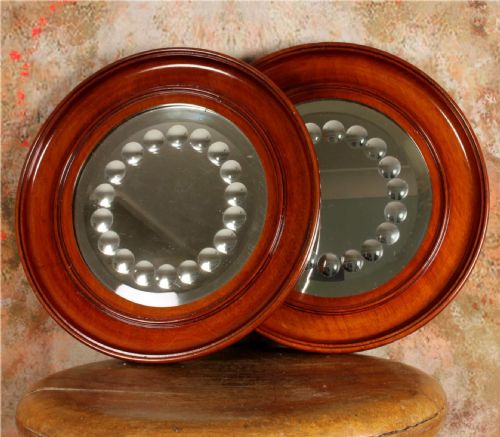


Victorian Carved Frame Pair
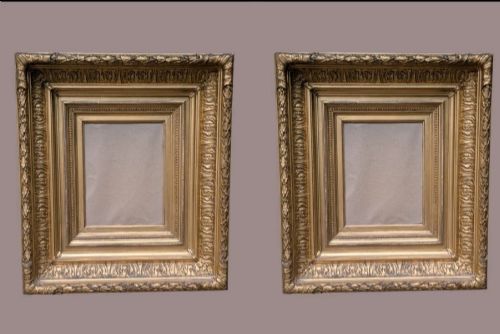
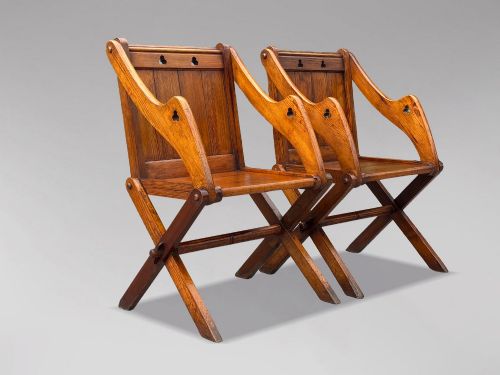
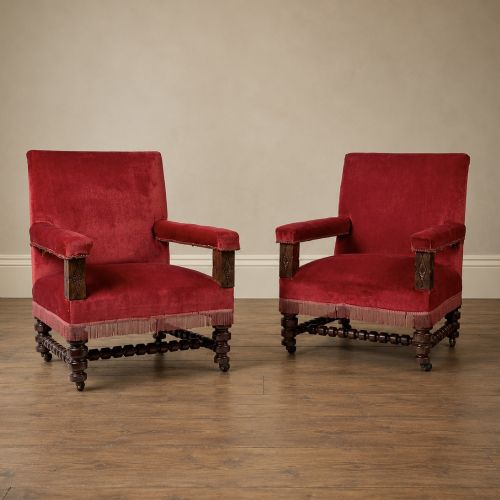
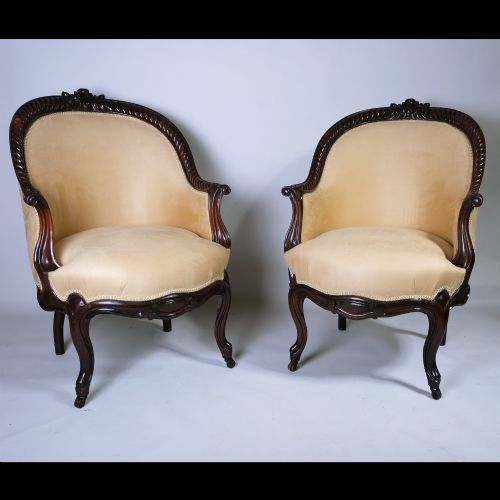
These matching pairs carry the distinctive hand-carved surrounds of the nineteenth century, offering symmetrical balance for a room.
Victorian Carved Frame Pair
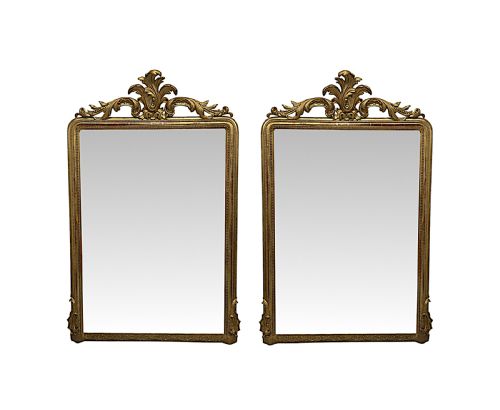
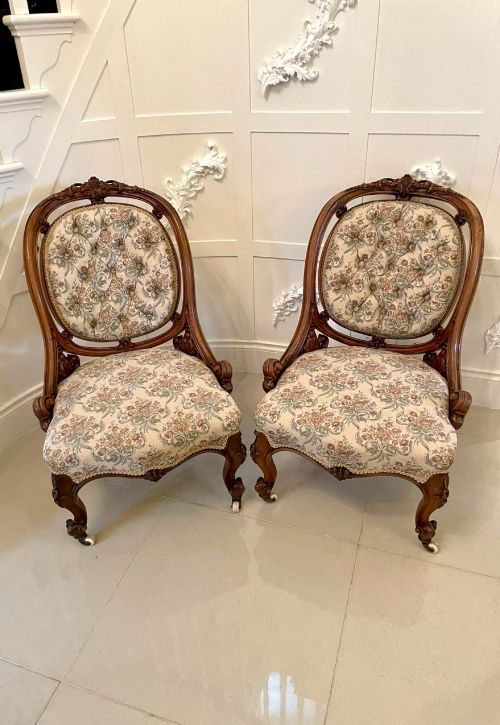
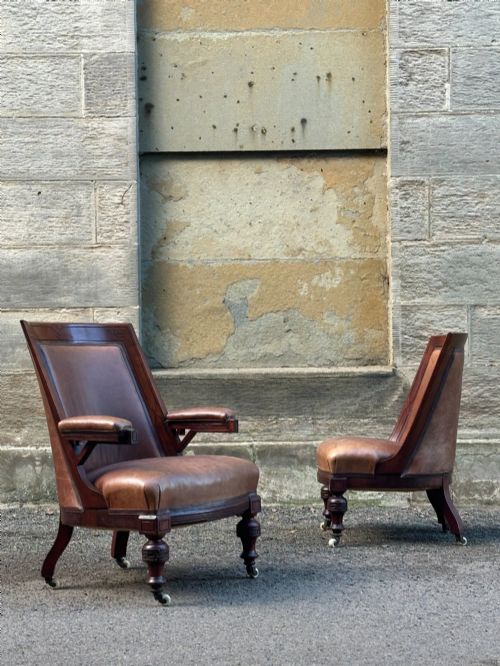
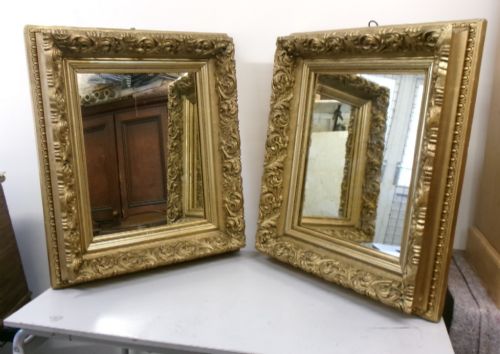
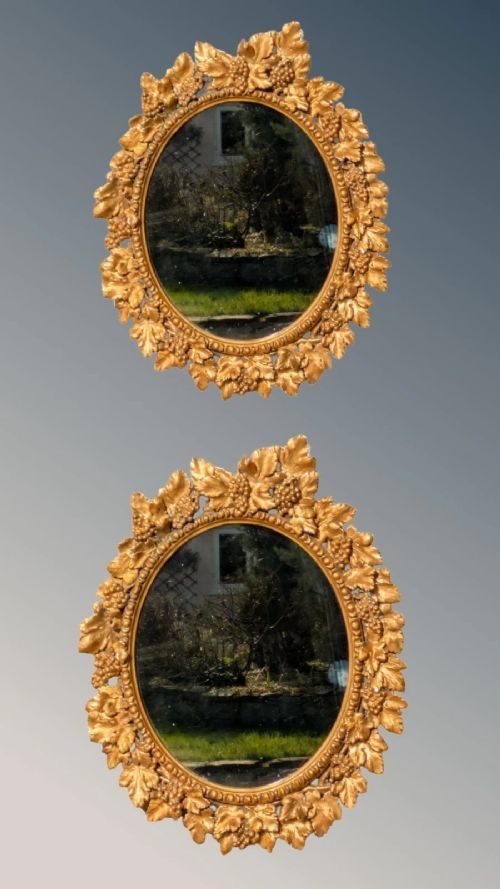
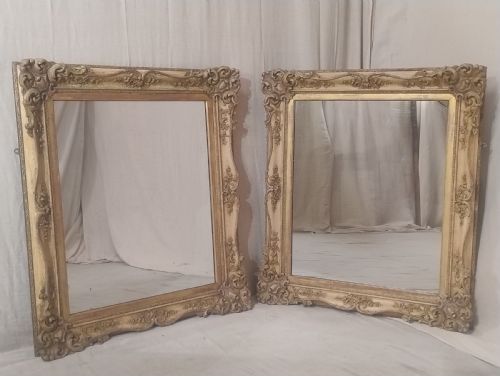
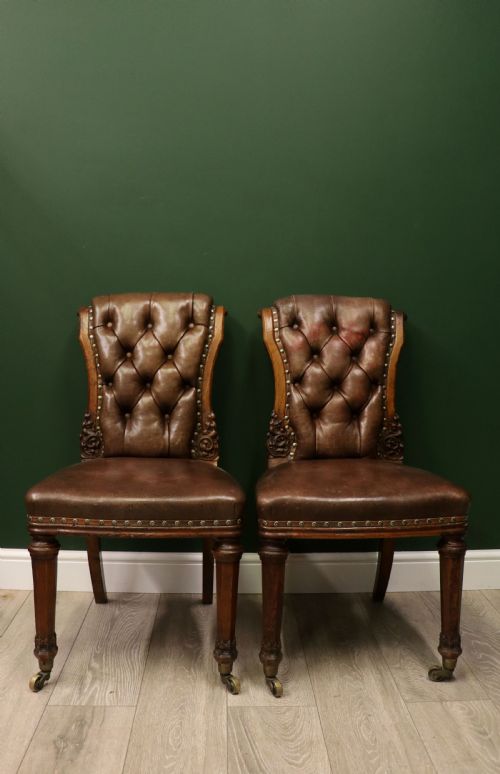
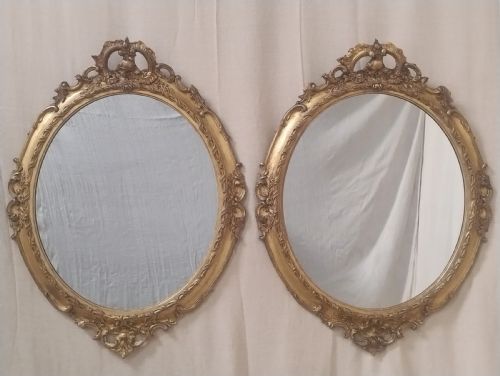
A victorian carved frame pair brings together matching decorative surrounds designed to hold mirrors, paintings, or photographs in a unified manner. Buyers seeking this phrase encounter wall mirrors, seating, and decorative panels produced during the nineteenth century and the Edwardian era. The selection ranges from giltwood wall mirrors to carved oak armchairs and rosewood footstools.
The objects stem predominantly from Victorian workshops, spanning revival styles such as Rococo, Gothic, and French Chateau. Wall mirrors and armchairs form the bulk of the available items, though occasional beds and hall chairs appear. Each matching set demonstrates the nineteenth-century preference for symmetry in interior decoration.
How they were made
Craftsmen utilised solid timbers including oak, mahogany, walnut, rosewood, and pitch pine to construct the structural surrounds and chair frames. Giltwood pieces rely upon applied gesso over a wooden base to build up intricate relief decoration such as vine leaves before gilding. Joinery methods of the period involved traditional tenon and mortise joints, augmented by hand-carved ornamentation.
Surface decoration frequently combines parcel gilding, patinated brass elements, and carved wooden detailing. Upholstered items incorporate materials like red velvet, leather, and needlework seats fitted directly into the carved wooden frames.
The listings show items spanning the nineteenth century, Victorian era, and Edwardian period, utilising oak, walnut, mahogany, and giltwood.
What varies in quality
The depth and crispness of the hand-carved relief distinguish finer examples from standard production pieces. Superior items display deep undercut carving in woods like walnut or rosewood, whereas simpler versions rely on shallow tool marks. The quality of the original gilding or the preservation of the underlying timber grain also determines the standing of a pair.
Proportion and matching accuracy between the two items dictate the overall harmony of the set. Well-matched pairs maintain consistent timber figure and identical decorative motifs across both frames, reflecting careful selection in the workshop.
The Victorian Carved Frame Pair Glossary
- Giltwood
- Wood that has been coated with gold leaf or gold paint. This finish appears frequently on nineteenth-century wall mirrors and decorative frames.
- Gesso
- A plaster-like mixture applied to wood surfaces as a base for carving or gilding. It allows for the creation of sharp, raised decorative details.
- Gonbury chair
- A nineteenth-century revival armchair featuring a sloped back and distinctive wooden construction. These chairs draw inspiration from medieval designs.
- Pier glass
- A large mirror designed to hang on the wall between windows. These tall mirrors often match a console table placed underneath.
- Convex mirror
- A round mirror with a curved surface that reflects a wide field of view. These pieces are sometimes known as witch's mirrors.
Victorian Carved Frame Pair: Frequently Asked Questions
What rooms suit a Victorian carved frame pair?
These matching pieces work well in living rooms, hallways, and bedrooms where symmetry enhances the layout. Wall mirrors fit above mantelpieces or console tables.
Seating pairs function as side chairs or armchairs when placed facing each other. Their decorative frames add architectural interest to plain walls.
How do I identify a Rococo Revival frame?
Rococo Revival frames feature asymmetrical C-scrolls, S-scrolls, and naturalistic leaf or flower motifs. The carving appears deeply textured and ornate.
This style draws on eighteenth-century French designs but was heavily re-interpreted by nineteenth-century cabinetmakers.
What is the difference between oak and giltwood mirrors?
Oak frames display the natural grain and colour of the hardwood, often with dark patination. They suit interiors with exposed timber and traditional furnishings.
Giltwood mirrors feature a reflective gold surface that brightens dark corners and adds formality to a space.
How were Glastonbury chairs used?
Glastonbury chairs served as decorative yet functional seating in nineteenth-century country houses and libraries. Their sturdy wooden frames provided upright support.
Often constructed from oak or pitch pine, these chairs relate to the Gothic Revival movement.