
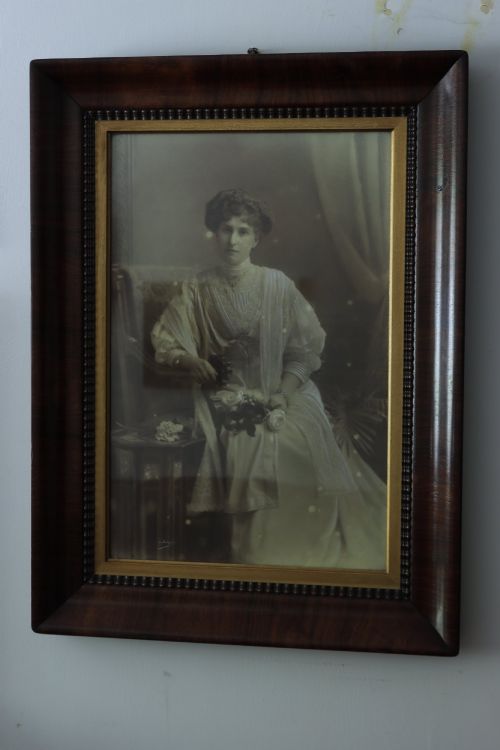


Dark Wood Photo Frame
A dark wood photo frame brings rich grain and deep tones to family portraits and antique prints, anchoring memories with substance.
Dark Wood Photo Frame
Examples on this page draw from Victorian, Edwardian, and later periods, capturing distinct regional and stylistic movements. Pieces run from plain timber mouldings to intricate carved objects designed to display photographs and prints.
Materials and construction
Makers utilised solid timbers such as mahogany and walnut alongside carved wood and specialised regional materials like Kashmiri walnut. Glass protects the photographs and paper contents within these structures.
Techniques range from hand carving seen in Black Forest and Anglo-Indian pieces to layered chip carving characteristic of tramp art. Metal elements such as sterling silver mounts and gilt accents occasionally augment the timber framework.
Materials documented across the inventory include mahogany, walnut, sterling silver, glass, and carved wood.
Assessing quality and execution
Quality rests upon the depth of the carving and the selection of the timber grain. Superior examples display crisp detail in regional motifs and precise joinery at the corners.
The integrity of the original glass and the preservation of the backing materials influence the overall merit of a piece. Finer items retain their original surface patination rather than bearing heavy modern alterations.
The Dark Wood Photo Frame Glossary
- Autochrome
- An early colour photography process on glass producing luminous, painterly images. These transparent plates require careful framing to transmit light effectively.
- Black Forest
- A nineteenth-century Swiss and German style known for deeply carved naturalistic animal and foliage motifs. Carvers utilised softwoods to achieve high relief.
- Tramp art
- Folk art created by notching and layering small pieces of scrap wood into geometric patterns. Artisans built these frames using pocket knives and simple glues.
- Portrait miniature
- A small, intimate painting or photograph, often housed in a protective case or frame. These portable likenesses date back centuries before becoming common in the Victorian period.
- Anglo-Indian
- Decorative items produced in the Indian subcontinent under British rule, frequently featuring dense floral carvings. Kashmiri walnut frames exemplify this cross-cultural trade.
Dark Wood Photo Frame: Frequently Asked Questions
How do I date a dark wood photo frame?
Dating relies upon the framing construction, the type of glass, and the style of carving or moulding used. Victorian and Edwardian pieces often exhibit hand-cut joints and materials typical of their respective decades.
Examining the backboards, fixings, and any surviving paper labels provides further clues to the manufacturing period. Changes in joinery over the nineteenth and early twentieth centuries help narrow down the exact decade of origin.
What styles of dark wood frames exist?
Styles range from folk art tramp carvings and Black Forest forest-themed work to Gothic Revival and Orientalism influences. Each style reflects the prevailing tastes and decorative arts of its specific era.
Regional variations such as Kashmiri walnut pieces introduce distinct carving traditions from abroad. Selecting a style depends on whether the interior setting calls for rustic folk texture or formal Victorian formality.
Can I hang a heavy antique frame safely?
Wall hanging frames require secure fixings suited to the weight of the dense timber and glass components. Inspecting the structural integrity of the corners and hanging loops ensures the piece supports its own load.
Using professional picture wire and appropriate wall anchors prevents strain on older wooden joints. Positioning the frame away from direct sunlight and damp conditions protects both the timber and the contents.
How should I clean a carved wooden frame?
Dusting with a soft, dry brush removes particulate matter from deep recesses without harming the patina. Water and harsh chemical cleaners must be avoided to prevent moisture damage to old wood and paper.
Occasionally applying a microcrystalline wax helps nourish dry timber and maintains the surface sheen. Gentle maintenance preserves the historic character acquired over a century or more of use.