


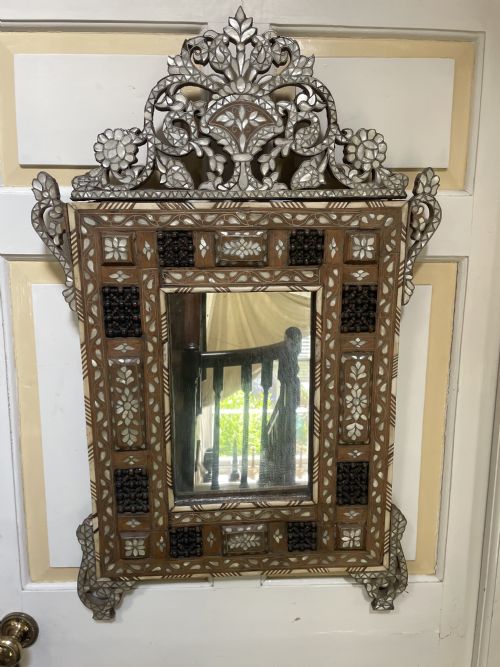

Hand Carved Wooden Frame
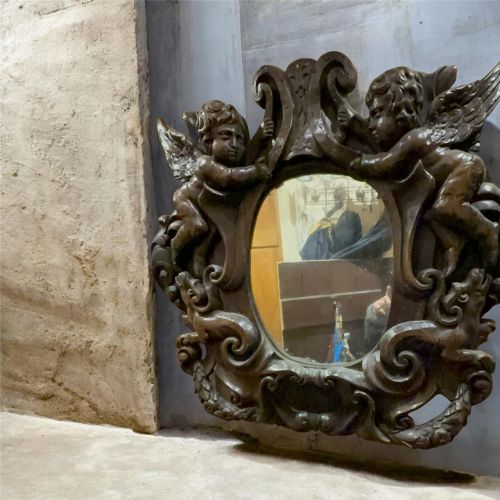
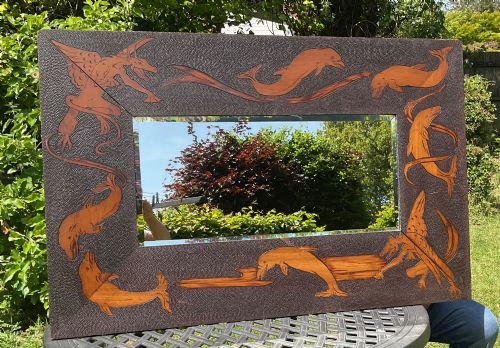
A hand carved wooden frame brings texture and depth to any wall, taking the form of mirrors, picture slips, and architectural surrounds.
Hand Carved Wooden Frame
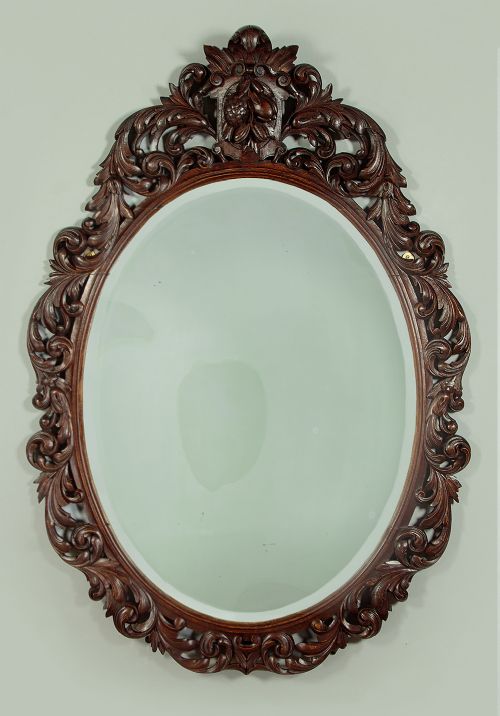
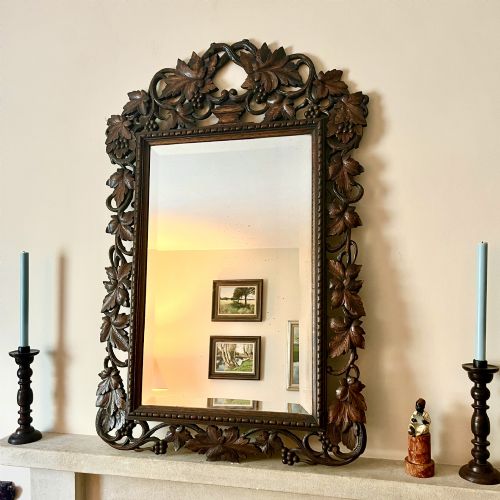
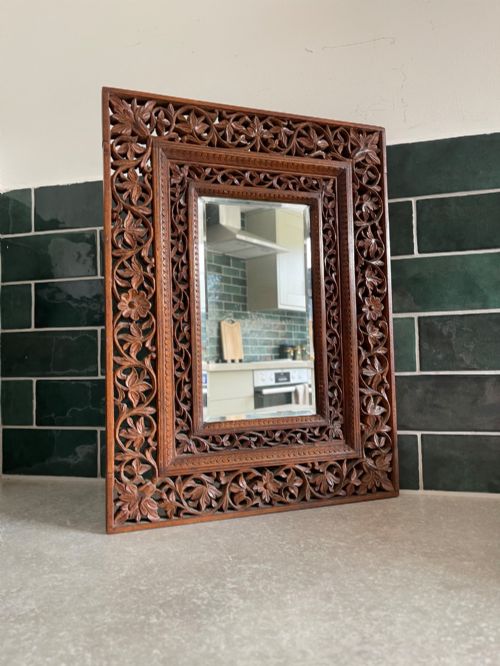
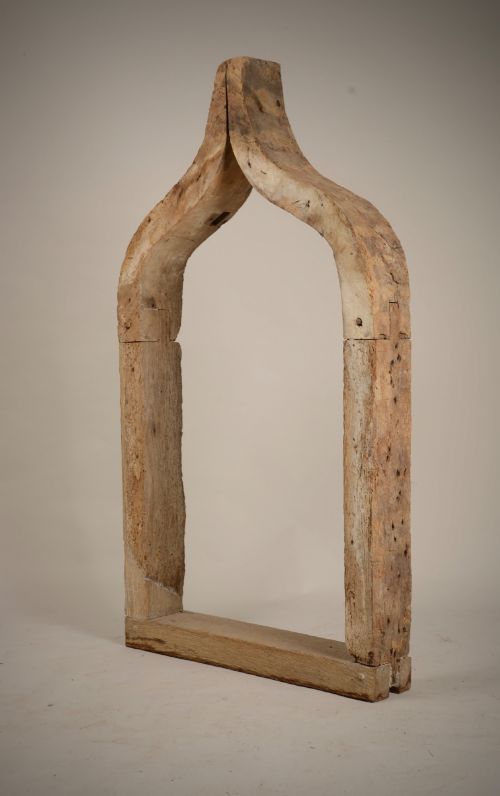
When you search for a hand carved wooden frame, you encounter a diverse array of objects spanning centuries and regions. The selection on this page leans heavily toward mirrors and picture frames, alongside beds, wall panels, and architectural salvage.
Originating from periods such as the eighteenth and nineteenth centuries, these pieces display regional styles ranging from Black Forest and Victorian to Anglo-Indian, Baroque, and folk art. Oak and teak feature prominently alongside painted surfaces and gilt details.
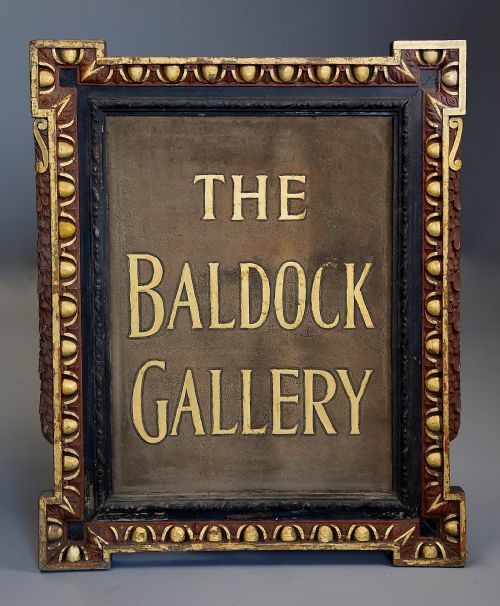
Most items serve a functional purpose, such as holding glass or supporting a bed structure, while others function purely as decorative wall art or trade signs. The variety encompasses everything from simple domestic frames to ornate, deep relief carvings.
How they were made
Makers utilised solid timbers like oak, teak, mahogany, and limewood, shaping them with gouges and chisels to achieve deep relief and intricate profiles. Carvers worked directly into the natural grain, sometimes combining separate wooden components to build up larger structures like mirrors and four-poster beds.
Surface treatments complete the construction, incorporating applied paint, gilding, or mother of pearl inlay. Iron brackets and brass fittings often secure the structural joints, particularly on folding furniture and architectural surrounds.
Prisoners of war spent long hours fashioning intricate items behind wire, leaving behind tiny wooden testaments to patience.
What varies in quality
The distinction between standard and exceptional work lies in the crispness and depth of the chisel marks. Superior pieces exhibit confident, fluid manipulation of the timber where details retain sharp definition rather than softening into rounded edges.
Integration of design separates ordinary items from masterworks. The best examples achieve a harmonious balance between the natural properties of the wood and the complexity of the carved motifs, whether handling domestic oak or exotic hardwoods.
The Hand Carved Wooden Frame Glossary
- Black Forest
- A style of wood carving originating from the Swiss-German border region, typically featuring naturalistic animals and foliage.
- Tramp art
- A form of folk art where small pieces of wood, often from cigar boxes, are notched and layered to create geometric frames.
- Architectural salvage
- Elements rescued from older buildings, such as window frames and doorways, repurposed for modern interiors.
- Picture slip
- A narrow inner frame or liner placed inside a larger frame to separate the artwork from the glass.
- Pier glass
- A tall mirror designed to hang on the wall space between windows.
Hand Carved Wooden Frame: Frequently Asked Questions
How do I date a wooden frame?
Dating relies on examining the timber species, tool marks left by the carver, and the construction methods used at the joints. Secondary materials like backing boards and mirror glass also provide clues to the era of manufacture.
Style provides further context, as regional motifs from the Victorian period or the Arts and Crafts movement reflect the prevailing aesthetics of their time.
Are these frames suitable for mirrors?
Many frames on this page were originally built to house looking glass, while others designed for pictures can be adapted by a glazier. Ensure the depth and rebate of the timber can safely support the weight of mirror glass.
Checking the structural integrity of the corners and hanging points is essential before mounting any heavy glazed piece to a wall.
How should I clean carved wood?
Dust the intricate recesses regularly using a soft, dry brush to prevent dirt accumulation in the carved details. Avoid liquid cleaners and harsh chemicals that can strip original wax or painted finishes.
Applying a microcrystalline wax occasionally helps nourish older timber surfaces without attracting dust.
What is Anglo-Indian carving?
This term describes furniture and decorative items produced in India during the British colonial period, often combining traditional eastern motifs with western forms. Artisans utilised dense local hardwoods like teak to create deep, intricate relief patterns.
Such pieces frequently appeared in British homes as exotic accents during the nineteenth century.