



Vintage Double Picture Frame
These vintage double picture frame pieces hold paired portraits or prints side by side, offering a practical way to display two related images together.
Vintage Double Picture Frame
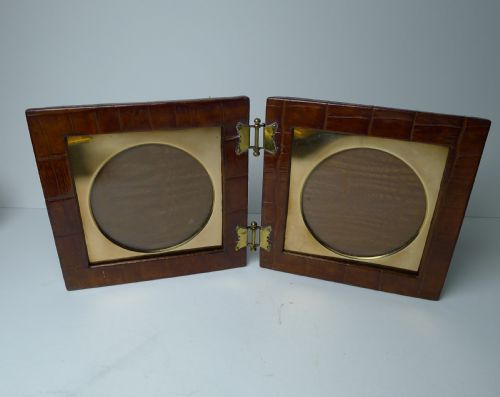
A vintage double picture frame brings together two hinged or joined apertures designed to display paired photographs, engravings or prints simultaneously. These pieces range from substantial metal and hinged travel accessories to carved wooden variants and decorative French ormolu examples.
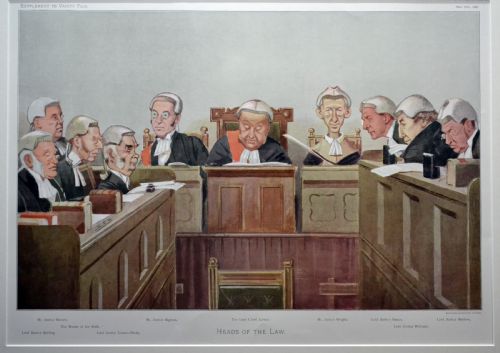
The selections encountered on this page encompass both functional photo frames intended for domestic display and framed double page prints from publications such as Vanity Fair. Buyers seeking physical frames will find items made of silver plate, brass, and carved wood, alongside paper prints presented in a double format.
Periods represented across these listings span the Victorian era, the Edwardian period, and the early twentieth century, including specific decades like the 1880s, 1890s, and 1920s. The stylistic variety extends from folk art tramp art and French chateau aesthetics to regency revivals and novelties.
Materials and construction
Metal frames rely on brass and silver plate, frequently finished with gilding or ormolu detail to catch the light around the glazed apertures. These structural mounts house glass panels that protect the paper contents within.
Wooden examples utilise carved elements and specialised woodworking techniques, including the layered chip carving characteristic of tramp art and traditional joinery for hinged folding travel frames. Cardboard and paper serve as backing materials and structural supports behind the prints and photographs.
Print formats involve chromolithography and ink on paper, often utilising double page spreads from periodicals like Vanity Fair, or engravings executed after notable artists such as Sir Thomas Lawrence.
Current selections include pieces from the nineteenth century, Victorian era, Edwardian period, and the 1920s, utilising materials such as glass, brass, silver plate, wood, and paper.
Judging quality in a double frame
The standard of metalwork distinguishes superior silver plated and ormolu frames from simpler productions, with crisp chasing, secure hinges, and well-preserved gilding marking out finer workshops. Heavy gauge brass and solid structural joints ensure the piece stands firmly when opened.
In wooden and folk art examples, the precision of the carving and the integrity of the assembled wooden chips define the craftsmanship. Coarser constructions lack the geometric regularity found in better executed tramp art pieces.
For framed prints, the clarity of the ink or chromolithograph colours and the condition of the paper dictate the visual appeal. Original unfolded double page formats retain more of their intended character than trimmed alternatives.
Hardy Brothers·Sir Thomas Lawrence
The Vintage Double Picture Frame Glossary
- Ormolu
- A gilded bronze or brass finish applied to decorative metalwork. It appears frequently on French decorative pieces from the nineteenth century.
- Chromolithograph
- A colour lithographic printing technique used to produce multi-coloured prints. This method creates the vibrant hues seen on Victorian and Edwardian periodical pages.
- Tramp art
- A folk art style created by chipping and notching small pieces of wood, often from cigar boxes, and layering them together. Frames built in this manner display distinctive geometric relief patterns.
- Silver plate
- A thin layer of silver applied to a base metal such as copper or brass. Many domestic photo frames from the late nineteenth century use this method to achieve a precious metal appearance.
- Double page format
- A single sheet of paper containing two pages of printed content joined at the centre fold. These sheets were often removed from bound volumes for individual framing.
Vintage Double Picture Frame: Frequently Asked Questions
How do hinged double frames work?
Hinged double frames utilise two separate picture compartments joined by metal hinges, allowing the piece to fold inward like a book or stand at an angle on a surface. This folding mechanism made them convenient for travel and bedside display.
Most examples allow each side to open independently via backing boards secured by turn-buttons or sliding pins, granting access to the glass and the portrait inside.
Are these frames meant for travel?
Some period double frames were specifically constructed as folding travel frames, often bound in materials like crocodile leather or finished in robust metals to protect photographs on journeys.
Other heavier desk and wall variants were designed exclusively for stationary domestic use, relying on easel backs or suspension loops rather than folding mechanisms.
How do I distinguish Victorian from Edwardian frames?
Victorian metal and wooden frames often feature heavier, ornate decoration influenced by historical revivals, including deep chasing, elaborate crests, and folk art chip carving.
Edwardian and George V pieces tend toward lighter constructions, cleaner lines, and simpler silver plated or brass borders that reflect changing interior aesthetics of the early twentieth century.
What is a Vanity Fair double print?
Vanity Fair double prints are original periodical illustrations printed across a double page spread, featuring caricatures and portraits such as legal figures or sporting scenes from around 1900.
These sheets are typically framed behind glass to preserve the paper and ink, functioning as wall art rather than desk accessories.