


Folk Art Picture Frame
A folk art picture frame turns ordinary display into a handmade statement, bringing vernacular warmth and individual character to your walls.
Folk Art Picture Frame
When you search for a folk art picture frame, you encounter handcrafted pieces shaped by vernacular makers using whatever materials came to hand. The selections here span the nineteenth century and the mid-twentieth century, capturing domestic creativity from Britain, Europe, and America.
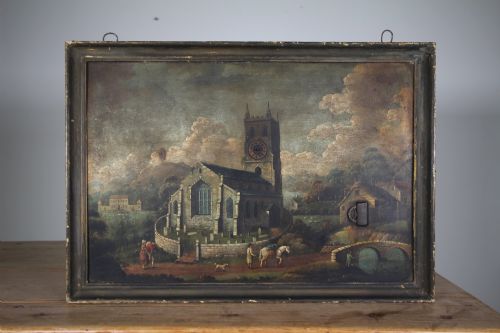
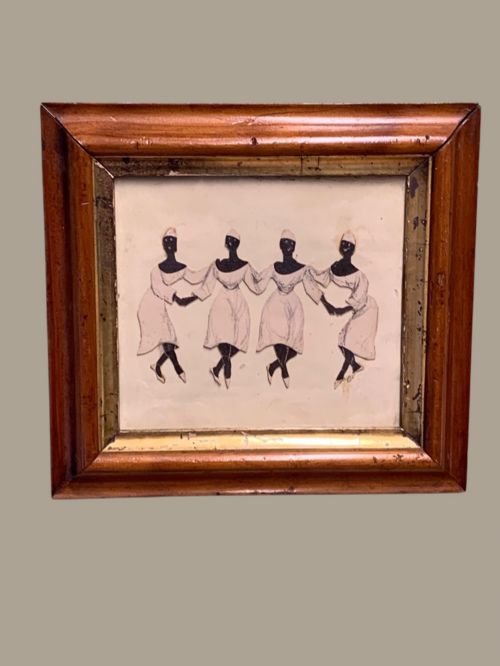
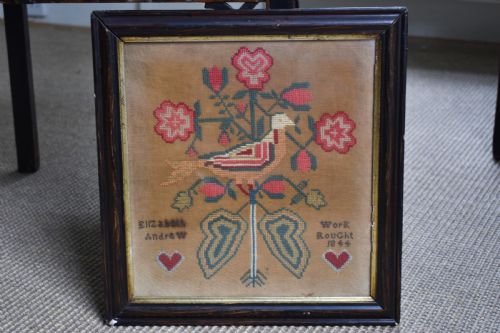
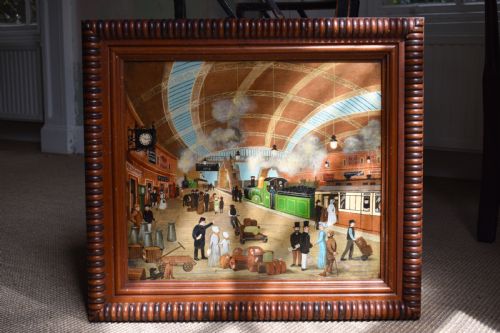
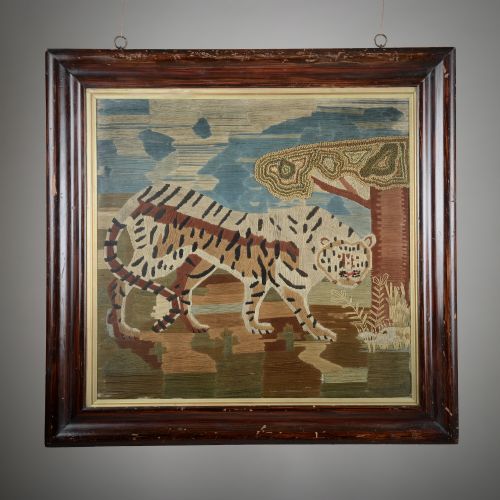
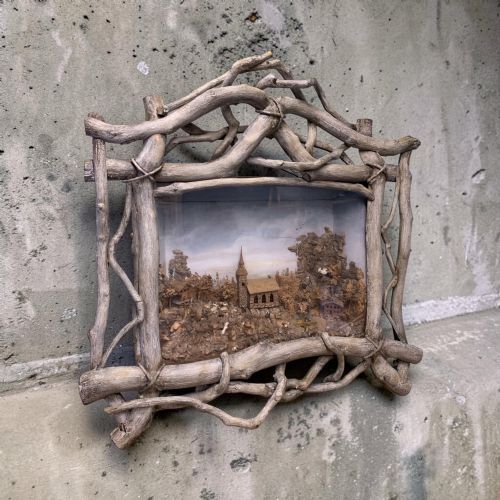
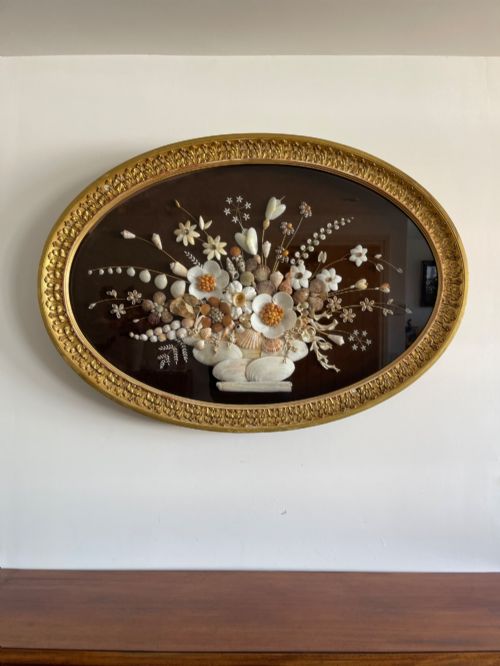
Most examples you meet on this page take the form of tramp art constructions or twig work borders built by makers working outside academic traditions. These pieces often house naive oil paintings, woolwork pictures, shell dioramas, and samplers rather than empty openings.
The materials reflect domestic resourcefulness, combining wood, glass, linen, and paper with unexpected elements like cork or brass. Every frame serves as a distinct sculptural object, carrying the specific texture of its maker's workshop.
How they were made
Makers constructed these frames using simple hand tools, not factory machinery. Wood forms the primary structure, carved, notched, or layered in geometric tramp art patterns and rustic twig formations.
Decoration relied on readily available mediums, integrating oil paint, canvas, wool embroidery, and paper collage. Assemblage techniques brought together disparate items like shells and brass elements to build tactile surfaces.
What varies in quality
Quality rests on the integrity of the maker's vision and the sureness of the handwork. The strongest pieces show confident proportions and inventive handling of materials, whereas weaker examples rely on repetitive motifs without rhythm.
The relationship between the frame and its internal artwork determines the success of the piece. Superior examples possess a unified presence where the frame enhances the naive painting, sampler, or diorama it surrounds.
Gertrude Halsband·W Skinner Auctioneer·Louis Marie Dominique Robbe·William Shayer
The Folk Art Picture Frame Glossary
- Tramp art
- A woodworking style where makers notched, chipped, and layered small pieces of scrap wood into geometric frames and boxes. It flourished from the late nineteenth century through the mid-twentieth century.
- Woolie
- A sailors' embroidery made from coloured wool yarns, often depicting ships or figures in uniform. These textile works frequently appear inside handmade frames.
- Diorama
- A three-dimensional scene enclosed within a frame or box. Makers built them using cork, shells, twigs, and carved figures.
Folk Art Picture Frame: Frequently Asked Questions
What is tramp art?
Tramp art is a form of woodworking where makers carved and layered scrap materials into geometric patterns. It defined much of the vernacular framing tradition.
Items created in this manner relied on pocket knives and simple glue rather than professional joinery.
How do I hang a heavy frame?
Heavy twig and wooden frames require secure wall fixings suited to the weight of the timber and glass. Ensure fixings anchor directly into wall studs or use appropriate masonry plugs.
Check the integrity of the original joints on the back before hanging.
Are these frames sold with artwork?
Most pieces listed under this search term include original contents such as samplers, woolies, or naive oil paintings. The frame and its contents formed a single decorative unit.
Separating them often removes the historical context of the piece.
How old are these frames?
The examples on this page date primarily from the nineteenth century through the mid-twentieth century. Materials and construction methods indicate the manufacturing era.
Wear patterns on the timber confirm their age.