
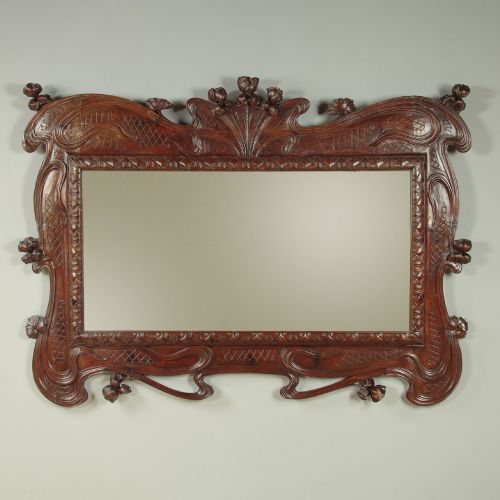

Edwardian Carved Wooden Frame
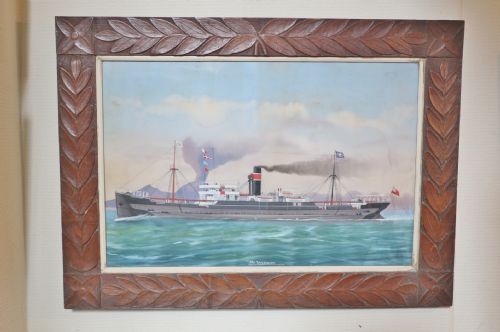
An edwardian carved wooden frame offers lasting craftsmanship in mahogany or oak, bringing warmth and character to a home.
Edwardian Carved Wooden Frame
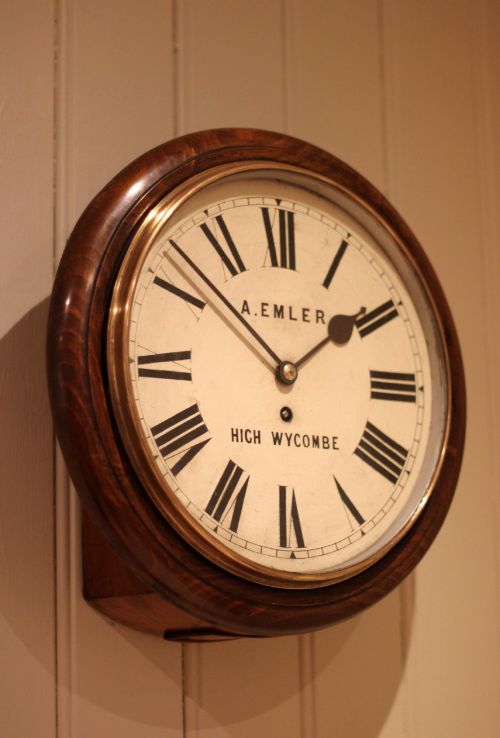
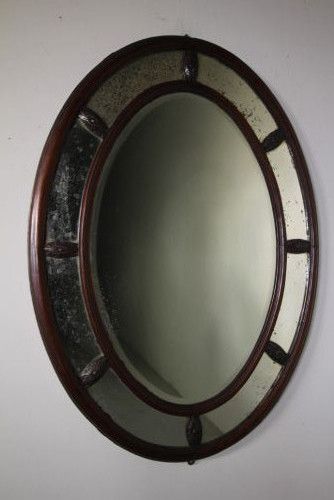
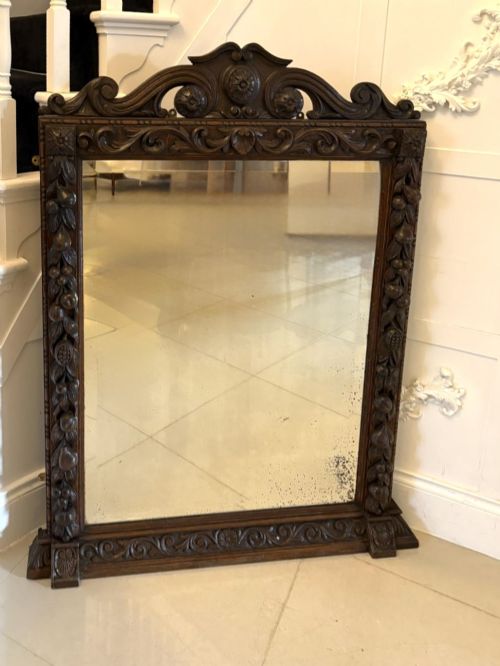
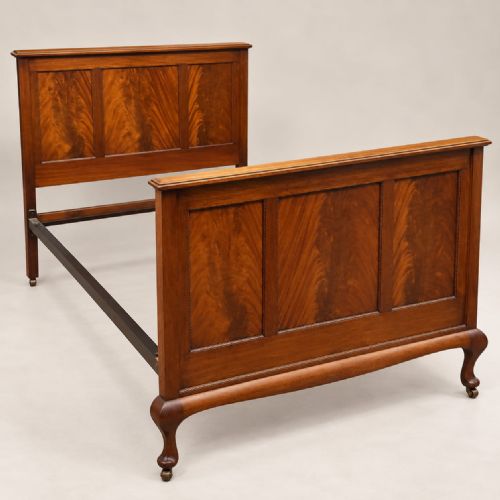
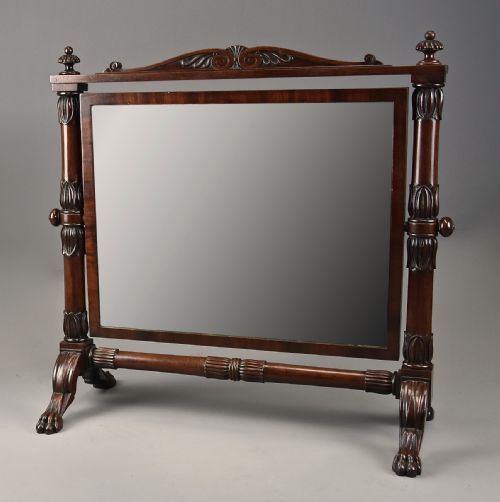
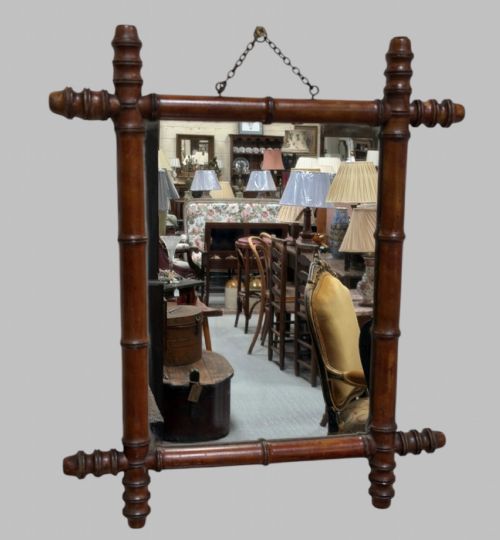
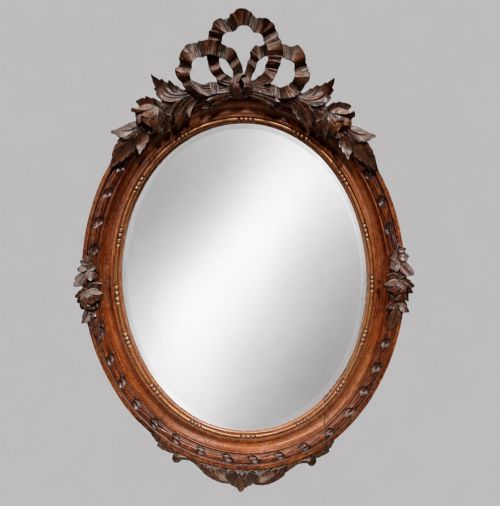
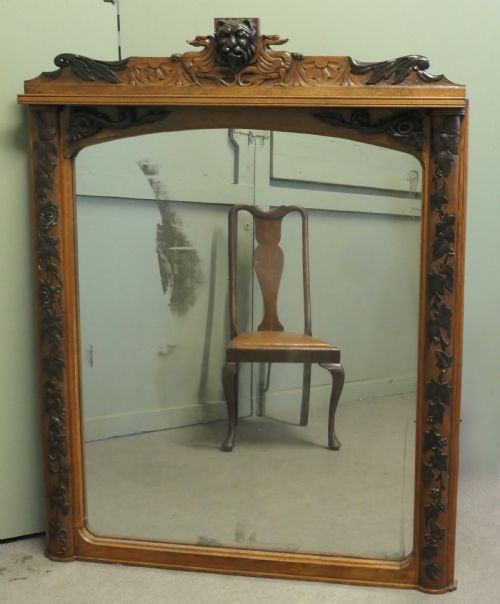
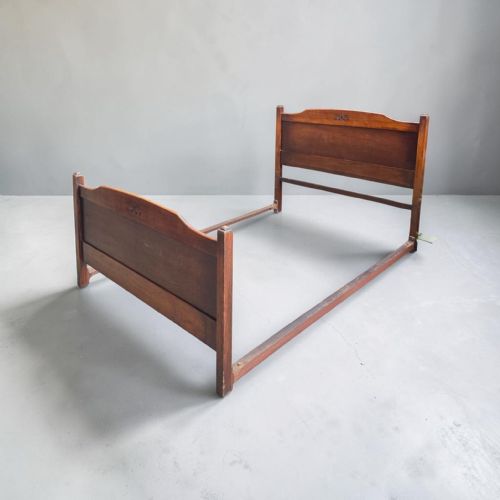
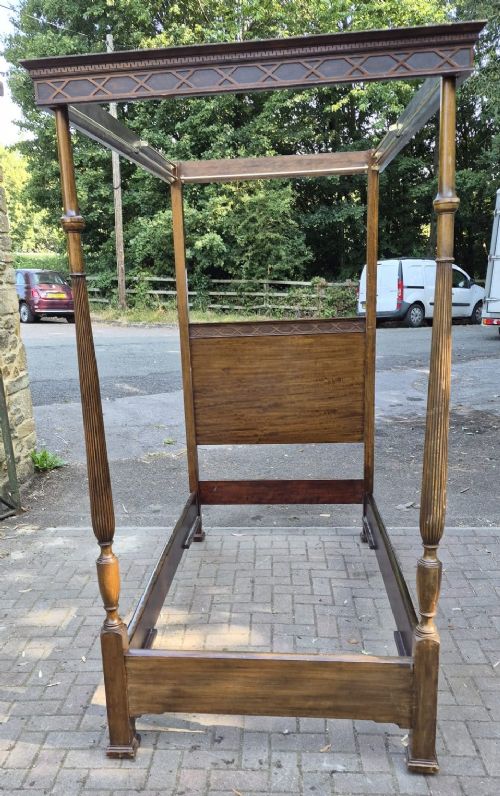
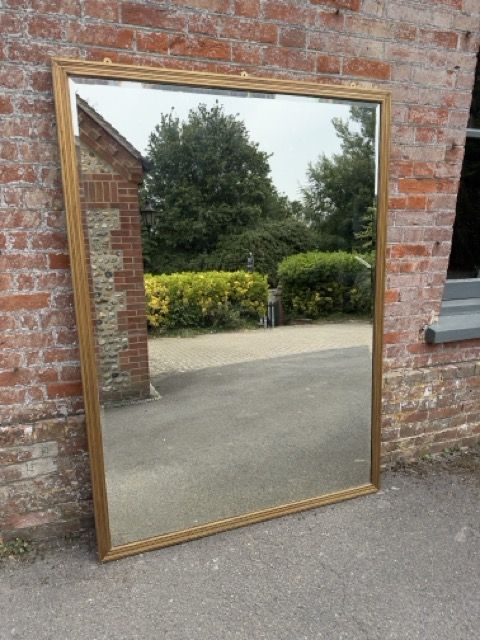
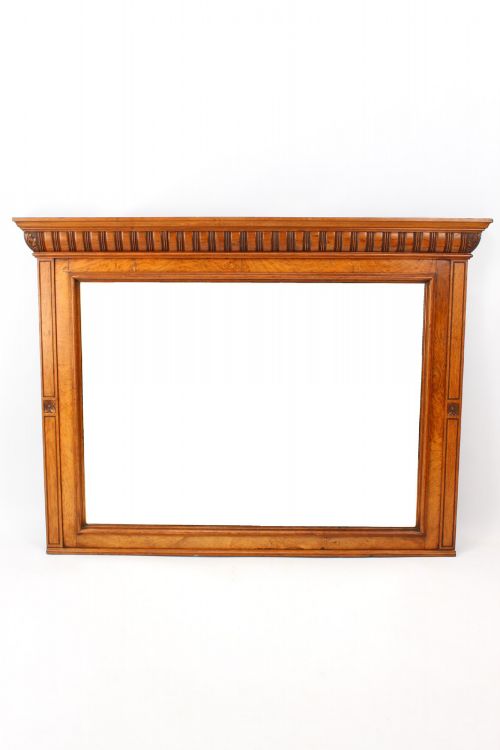
You are most likely to meet wall mirrors and overmantel mirrors shaped in oak or mahogany, often bearing carved details typical of the era. Alongside these, the listings include beds, display easels, and fire surrounds sharing similar timber construction.
The origins of these items trace back to domestic workshops and country houses, reflecting both everyday utility and decorative ambition. Each object provides a tangible connection to early twentieth century interior style.
How they were made
Makers relied primarily on solid hardwoods such as oak, mahogany, and beech, selected for their grain and durability. These timbers were shaped using traditional hand and bench tools, resulting in sturdy structural frames.
Carving and surface ornamentation often incorporated gesso or brass fittings to enhance the visual depth of the woodwork. Joinery techniques varied from simple panel construction to more complex framing designed to support heavy glass plates or upholstery.
Several mirrors include carved dragons and dolphins peering out from the timber.
What varies in quality
The depth and crispness of the timber carving separate standard workshop output from finer examples. Sharp, well-defined motifs show the hand of a skilled artisan rather than hurried production.
The choice and thickness of the underlying timber influence the longevity and visual weight of the frame. Denser hardwoods retain their structural integrity better over decades of daily use.
The Edwardian Carved Wooden Frame Glossary
- Gesso
- A plaster-based material applied to wood surfaces to create a smooth base for gilding or painting. It allows intricate low-relief ornamentation to be moulded onto wooden frames.
- Overmantel mirror
- A large mirror designed to hang specifically above a fireplace mantelpiece. These pieces often feature substantial wooden or gesso frames that anchor the room's focal point.
- Marquetry
- The art of applying small pieces of veneer to a structure to form decorative patterns. It appears on selected Edwardian panels and furniture frames.
- Arts & Crafts
- A design movement prioritising traditional craftsmanship and simple forms over mass production. Pieces from this style often display visible joinery and hand-carved motifs.
- Draw leaf dining table
- A table with extending leaves stored beneath the main top that pull out to increase surface area. This mechanism offers flexible dining arrangements in period interiors.
Edwardian Carved Wooden Frame: Frequently Asked Questions
What is the difference between Edwardian and Victorian frames?
Victorian frames tend to feature heavier proportions and darker, more ornate ornamentation. Edwardian designs often lean towards lighter timbers and simplified stylistic revivals.
Examining the grain and the depth of the carving helps distinguish the earlier Victorian pieces from Edwardian items.
How should I clean antique carved wood?
Dust carved wooden frames gently with a soft, dry cloth to remove surface particles without disturbing the grain. Avoid using modern chemical polishes that can build up a sticky residue.
Periodic application of a suitable natural wax preserves the finish and nourishes older timber.
Can these frames be used in modern interiors?
Period wooden frames complement contemporary spaces by adding texture and historical contrast. Their natural timber tones blend easily with minimalist or eclectic decor schemes.
Placing an oak or mahogany frame in a modern room creates an effective focal point without cluttering the space.