
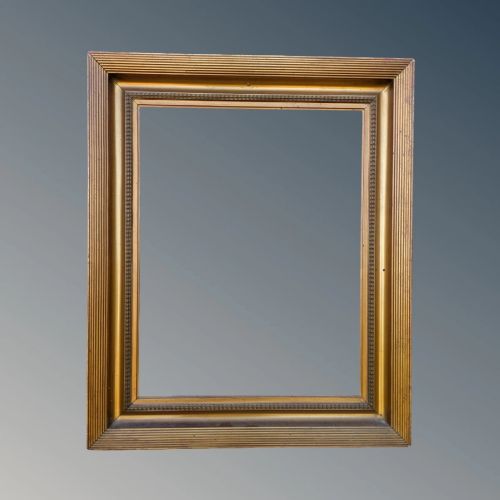
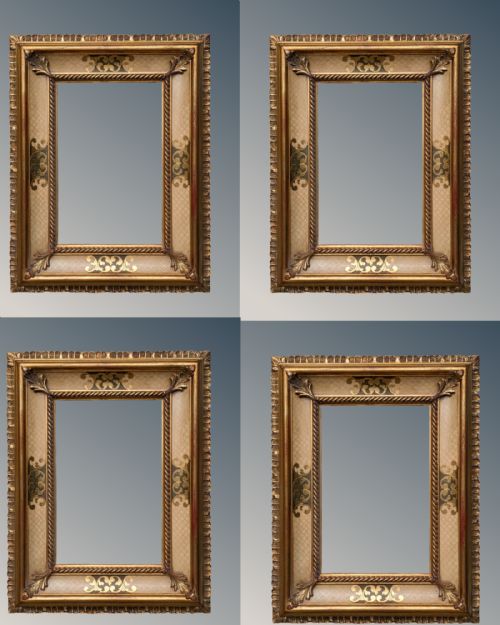


Carved Wooden Photo Frame
A carved wooden photo frame holds a treasured image while offering tactile warmth and intricate detail from decades past.
Carved Wooden Photo Frame
Every carved wooden photo frame on this page reflects distinct craftsmanship from periods spanning the eighteenth, nineteenth, and twentieth centuries. Buyers search for these items to display portraits or artwork within authentic historical enclosures.
The selections include Victorian, Folk Art, Italian Renaissance Revival, Anglo-Indian, Italian Baroque, Black Forest, Gothic Revival, and Trench Art styles. Common forms range from single picture frames to double picture frames and portrait miniatures.
Most examples originate from traditional European and British workshops, utilising timber, carved wood, and giltwood. The pieces merge utility with decorative artistry, suitable for traditional and eclectic interiors alike.
Materials and construction methods
Makers shaped these objects using solid timbers and carved wood, applying gesso and gold leaf to create ornate gilt finishes. Artisans also utilised walnut and oak for deeper relief and structural integrity.
Techniques varied from intricate hand carving in Black Forest workshops to folk methods like tramp art layering. Gilding and glass components were integrated to protect and enhance the central portrait space.
Some items were whittled by prisoners of war, turning wartime confinement into miniature masterpieces of patience.
Assessing quality and craftsmanship
Quality rests in the depth and precision of the hand carving, where crisp floral motifs or geometric layers remain sharp and undisturbed. Finer examples retain their original gilding and structural stability without crude restoration.
The choice of timber and the complexity of the regional style dictate the upper tier of these objects. Simpler utilitarian items sit alongside elaborate Baroque revivals, each showing distinct levels of artisan skill.
The Carved Wooden Photo Frame Glossary
- Giltwood
- Timber treated with gesso and gold leaf to simulate solid gold. This material appears frequently in Italian Baroque and Victorian decorative items.
- Black Forest
- A style originating from a forested mountain region in Germany, known for deep naturalistic wood carvings of animals and foliage.
- Tramp Art
- A folk art style created by chipping, notching, and layering small pieces of scrap timber into intricate geometric patterns.
- Portrait Miniature
- A small, highly detailed painting or photograph, often housed within an ornate frame intended for personal display.
- Trench Art
- Items made by soldiers, prisoners, or civilians from military scrap material during wartime conflicts.
Carved Wooden Photo Frame: Frequently Asked Questions
How do I clean an antique frame?
Dust the carved surfaces gently with a soft, dry brush to prevent dirt buildup in the recesses. Avoid chemical polishes and liquid cleaners that damage historic wood and gilt finishes.
Keep the frame away from direct sunlight and damp environments to protect the timber and any underlying gesso.
Can I replace the glass?
Original glass often contains small bubbles and imperfections characteristic of older manufacturing methods. Retain the historic glass whenever possible to preserve authenticity.
If replacement is necessary, consult a specialist to fit glass safely within the rebate without harming the wooden corners.
Where should I hang these?
Display the frames on sturdy walls away from direct heat sources such as radiators. Stable indoor temperatures prevent the timber from drying out and cracking.
Smaller frames work well grouped on panelled walls, while larger Baroque pieces suit solo placement as focal points.