

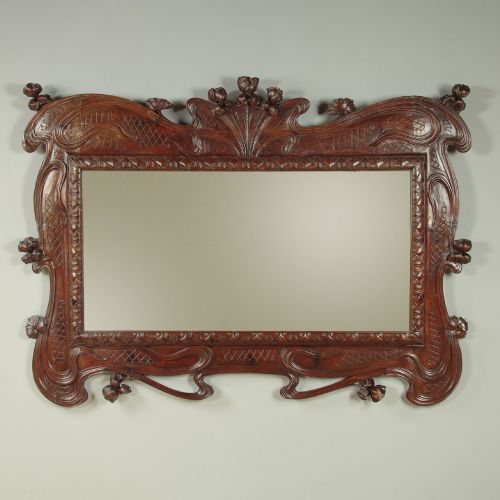
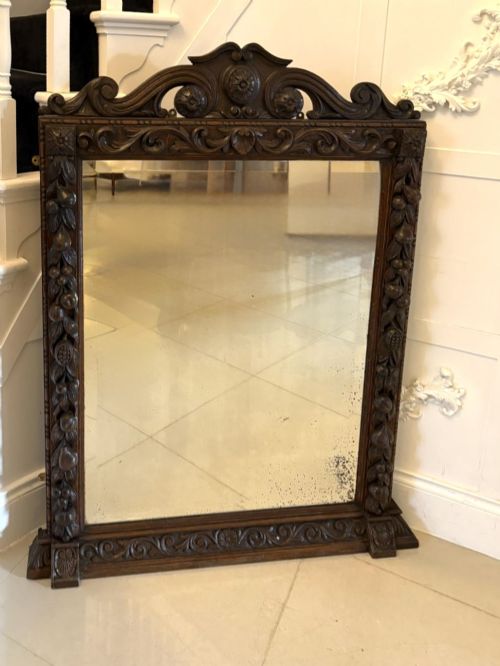
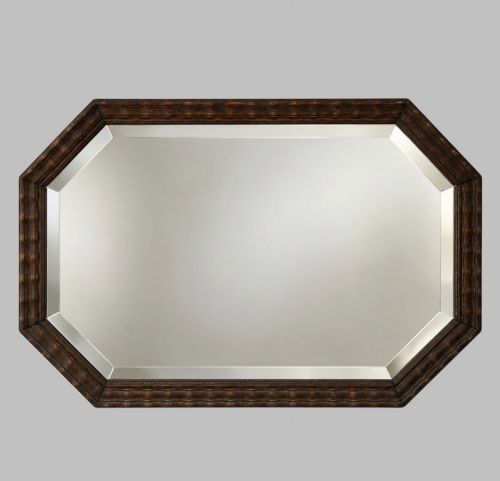
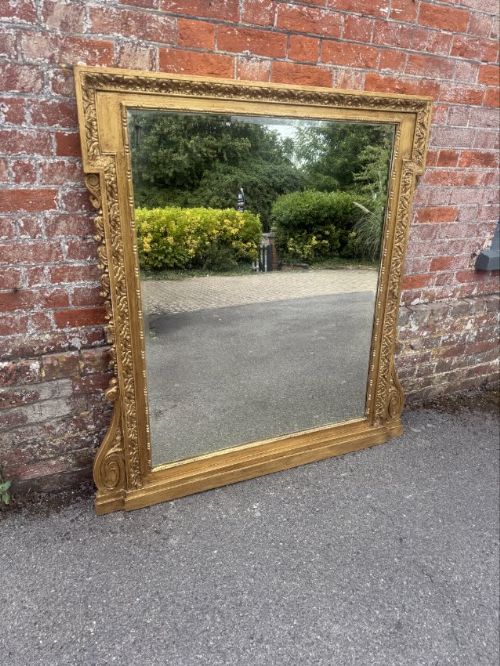
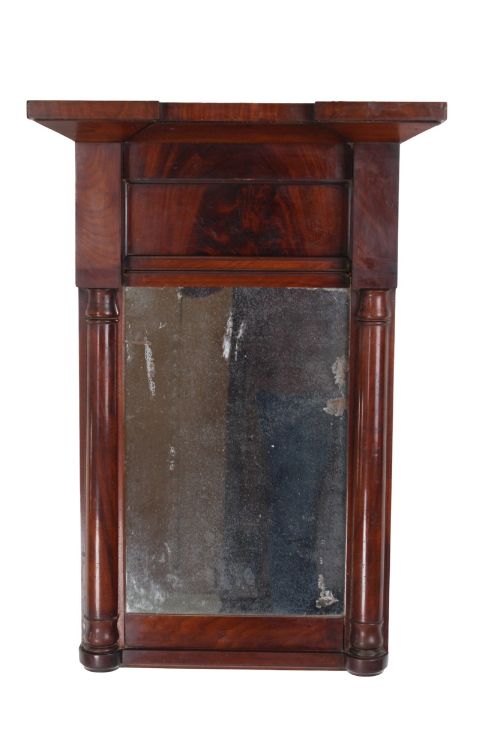
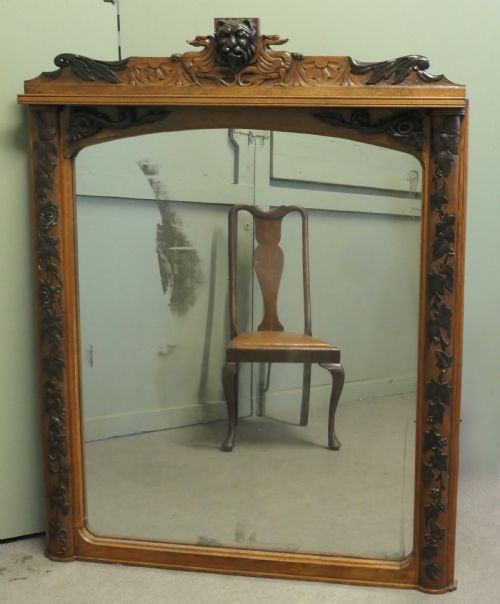
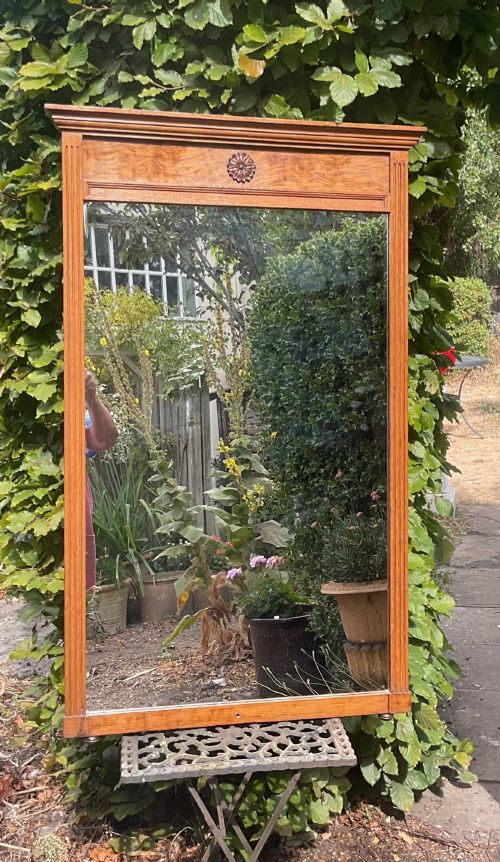

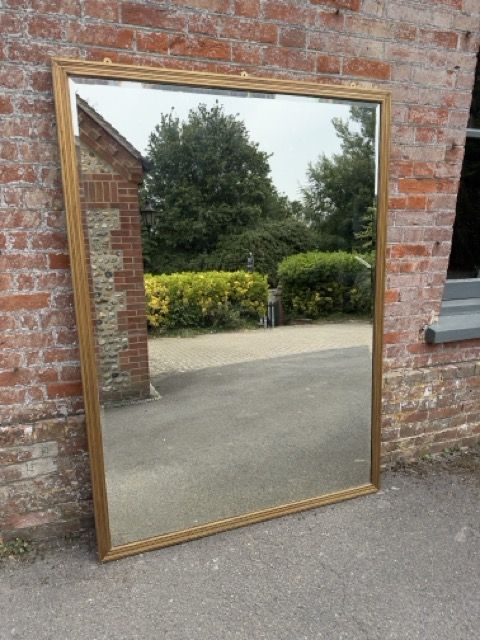
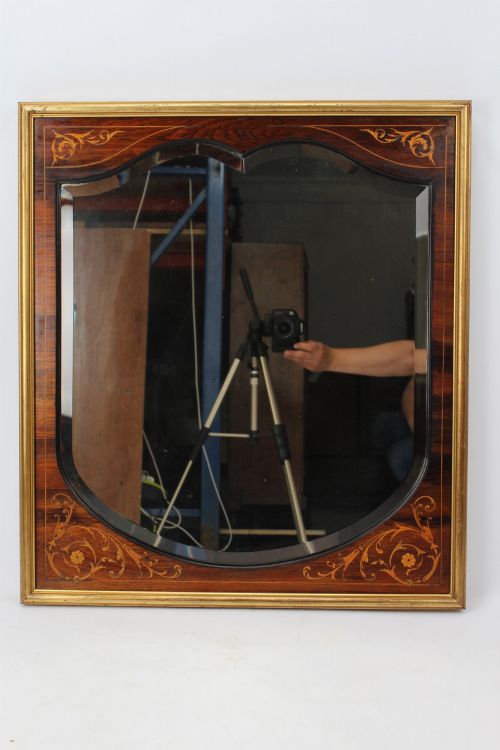
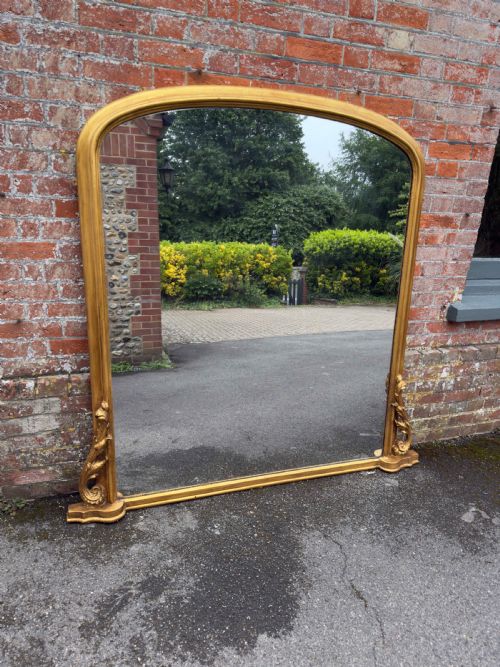
Edwardian Overmantel Frame
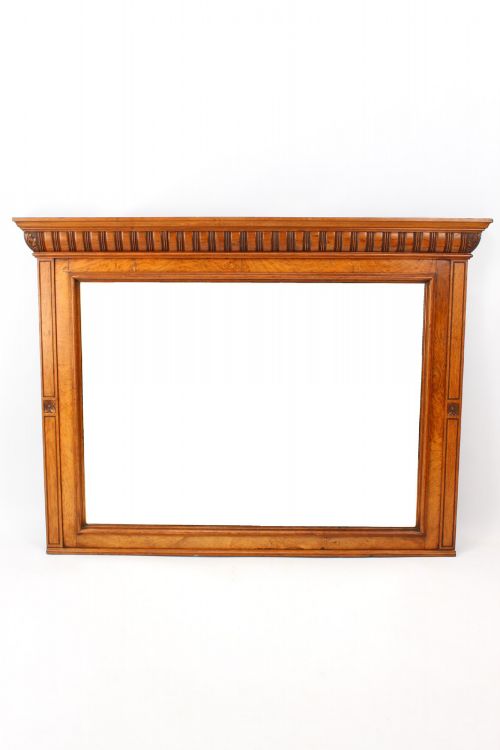
An edwardian overmantel frame anchors a chimneypiece with architectural scale and reflective light.
Edwardian Overmantel Frame
The edwardian overmantel frame sits above a fireplace, bringing proportion and breadth to a reception room wall. These pieces appear frequently in Edwardian formats alongside earlier Victorian and nineteenth-century examples.
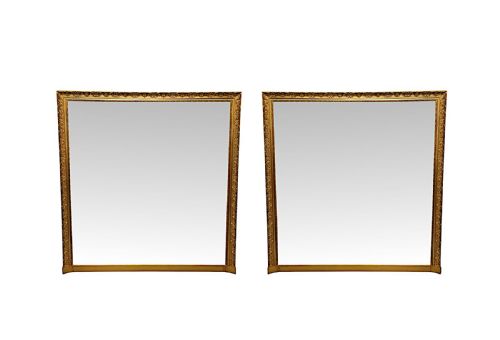
Makers shaped these frames in timber and giltwood to span the width of a mantelpiece. Wall mirrors and pier mirrors also emerge across the listings, showing similar decorative ambitions.
Design vocabulary borrows from Edwardian, Victorian, Art Nouveau, and Arts and Crafts traditions. Rectangular and arched formats dominate the surviving selection.
Materials and Technique
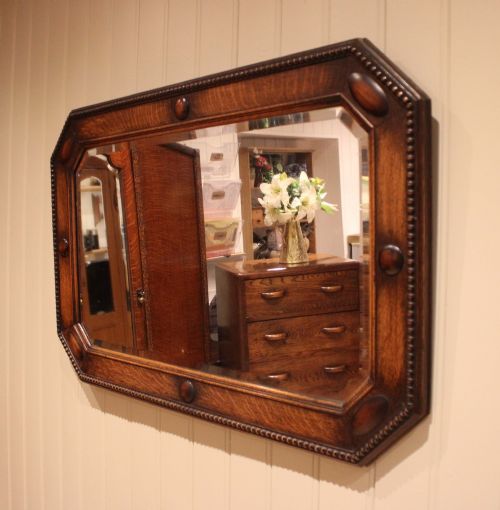
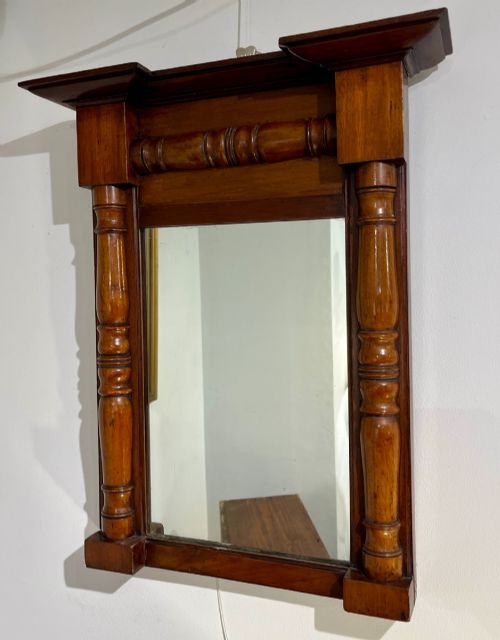
Wood provides the structural backbone, with oak, mahogany, and rosewood selected for durability and grain. Carved wood and gesso build up the ornamental relief on giltwood examples, creating crisp surface detail.
Gold leaf and gilding coat the gesso mouldings to catch the daylight within a room. Mirror glass is set within the timber rebates, often finished with bevelling at the plate edges.
Listings feature oak, mahogany, rosewood, and giltwood frames spanning the Victorian and Edwardian eras.
Judging Quality
Depth of carving separates standard joinery from superior work. Crisp execution in gesso and wood leaf indicates skilled hands in the workshop.
The integrity of the original gilding and the clarity of the mirror plate determine the preservation grade. Substantial timber frames with well-joined mitres hold their structural composure over generations.
Waring and Gillow·Rowley Gallery
The Edwardian Overmantel Frame Glossary
- Overmantel
- A mirror or frame designed specifically to sit directly on the mantelpiece above a fireplace. This placement reflects light downward into the hearth space.
- Gesso
- A plaster-like mixture applied to wood frames and carved before gilding. It allows for sharp, intricate ornamentation.
- Giltwood
- Timber coated with gold leaf or metallic powder applied over a prepared ground. It provides a luminous finish that resists tarnishing.
- Pier glass
- A tall mirror designed to hang on the narrow wall space between windows. These pieces often feature mahogany or gilt frames.
- Bevelling
- An angled edge ground along the perimeter of a mirror plate. This technique catches and refracts light across the glass.
Edwardian Overmantel Frame: Frequently Asked Questions
Where should I hang an overmantel frame?
These frames sit naturally above a fireplace mantel, where their horizontal proportions balance the hearth below.
They also function effectively on large living room walls without a fireplace, provided the fixing points support the weight.
How do I clean a giltwood frame?
Dust the carved surfaces gently with a soft, dry brush to prevent accumulation in the recesses of the gesso.
Avoid liquid cleaners or abrasive cloths, which strip the delicate gold leaf from the wood.
What is the difference between an overmantel and a wall mirror?
Overmantels are specifically proportioned to span the width of a mantelpiece, often featuring wide horizontal formats.
Standard wall mirrors are built with more balanced vertical or square dimensions for general room placement.
How do I identify Edwardian frames?
Edwardian examples often show lighter timber tones like blonde oak or refined mahogany, alongside restrained decorative motifs.
Earlier Victorian pieces tend toward heavier scale, deeper gesso relief, and darker rosewood or gilt finishes.