





Carved Mahogany Mantle Frame
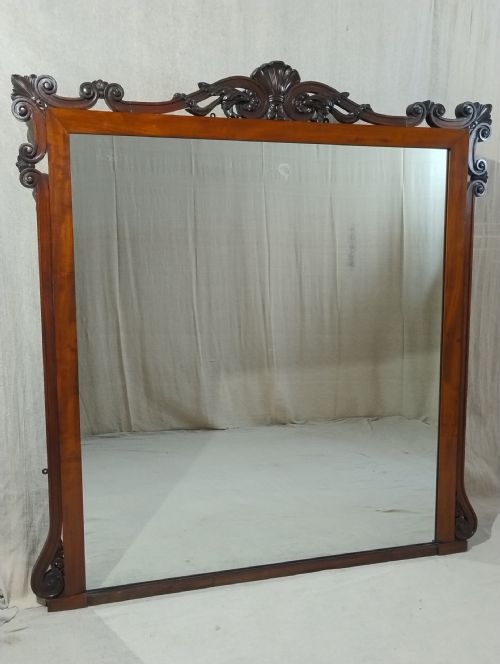
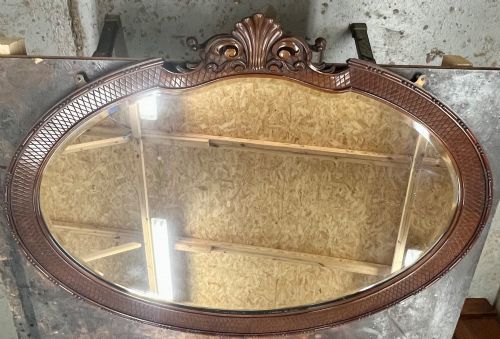
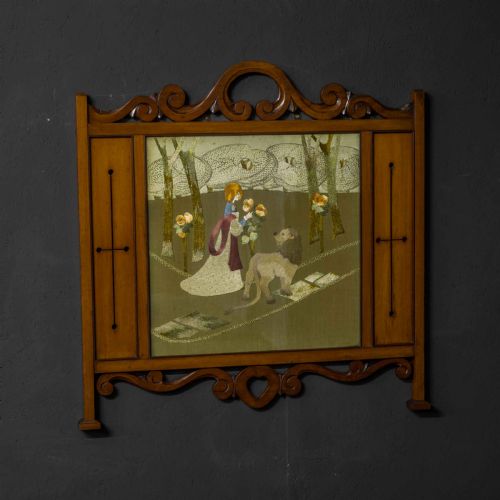
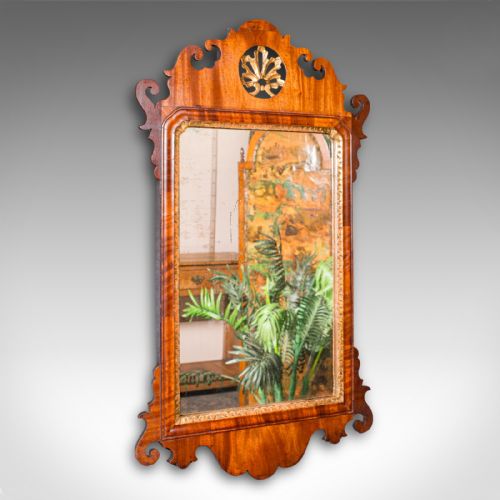
These carved mahogany mantle frame pieces are substantial architectural mirrors and clocks designed to anchor a room, built from dense timber to last centuries.
Carved Mahogany Mantle Frame
When you search for a carved mahogany mantle frame, you are looking at architectural mirrors and occasional clocks built to sit above fireplaces or grace principal rooms. These pieces originate across the eighteenth and nineteenth centuries, spanning Georgian elegance, Victorian mass, and Edwardian revivalism.
How they were made
Cabinetmakers worked with dense hardwood, primarily selecting mahogany for its strength, deep grain, and ability to hold crisp carved detail. Many of these frames incorporate parcel gilt highlights, applying thin gold leaf to raised carved elements to catch the light against the dark timber.
Makers integrated heavy glass mirror plates, frequently bevelled, secured within the wooden rebates. Secondary materials such as brass fittings, glass, and occasional silk thread details completed the structural and decorative assembly of these large wall and overmantel pieces.
Carved Mahogany Mantle Frame Retail Price Guide 2026
Typical asking prices for carved mahogany mantle frame among the pieces listed under this phrase on Sellingantiques today, from the lower quarter to the upper quarter. They describe what is for sale here now, not the wider market.
Object types recorded on this page include wall mirrors, overmantel mirrors, and occasional mantel clocks.
What varies in quality
The standard of a carved mahogany mantle frame rests on the depth and precision of the timber carving itself. Master craftsmen achieved sharp, undercut foliage and scrolls, whereas lesser examples rely on shallow moulding or applied composition ornaments.
Proportion and timber selection dictate the upper tier of these pieces. Fine grain figures in the hardwood, well-balanced architectural framing, and original mercury or thick plate glass separate ordinary production from exceptional workshop output.
The Carved Mahogany Mantle Frame Glossary
- Overmantel mirror
- A large mirror specifically designed to be hung or placed upon the mantelpiece above a fireplace. These frames often reflect the architectural style of the room they anchor.
- Parcel gilt
- Partially gilded timber where gold leaf is applied only to specific carved details. This technique highlights particular motifs against the dark background of the wood.
- Chippendale style
- A decorative aesthetic drawing upon the mid-eighteenth-century pattern books associated with Thomas Chippendale. Pieces in this style often feature asymmetrical scrolling and naturalistic carved foliage.
- Mirror plate
- The glass panel used within a mirror frame. Older plates often display slight distortions, foxing, or bevelling characteristic of historic manufacture.
Carved Mahogany Mantle Frame: Frequently Asked Questions
How do I hang a heavy overmantel mirror?
These heavy frames require secure fixing directly into wall studs or masonry using substantial brackets. Professional installation is strongly advised given the combined weight of the dense hardwood and thick glass plate.
Ensure the hanging wire or integrated fixing rings match the substantial scale of the timber frame to prevent any structural strain over time.
How do I clean carved mahogany frames?
Dust the intricate carved details regularly using a soft-bristled brush to prevent particulate buildup in the recesses. Avoid modern chemical sprays that can damage the aged polish and any delicate parcel gilding.
Apply a traditional beeswax sparingly to nourish the hardwood, buffing gently with a clean cloth to maintain a natural, subdued lustre.
Are these mirrors suitable for bathrooms?
The dense tropical hardwood and antique silvered plates tolerate normal atmospheric humidity poorly. Bathrooms introduce moisture that can degrade both the historic timber polish and the backing of the mirror plate.
Position these pieces in drier principal rooms such as reception halls, dining spaces, or bedrooms where the environment remains stable.
How do I tell Victorian from Georgian frames?
Georgian pieces tend to display restrained classical proportions, architectural symmetry, and crisp hand-carved mahogany details. Victorian examples frequently exhibit heavier proportions, darker finishes, and eclectic stylistic revivals.
Examine the construction joints, timber thickness, and secondary woods at the back of the frame to help clarify the manufacturing period.