



Brown Oak Frame
A brown oak frame provides a sturdy, richly grained border for mirrors, prints and paintings spanning several centuries of craftsmanship.
Brown Oak Frame
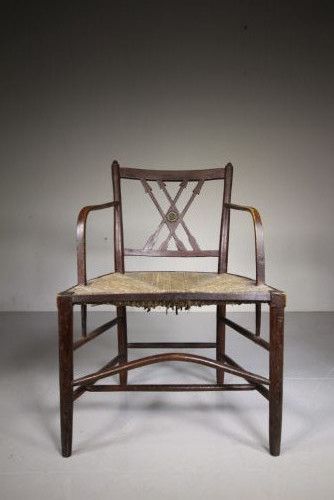
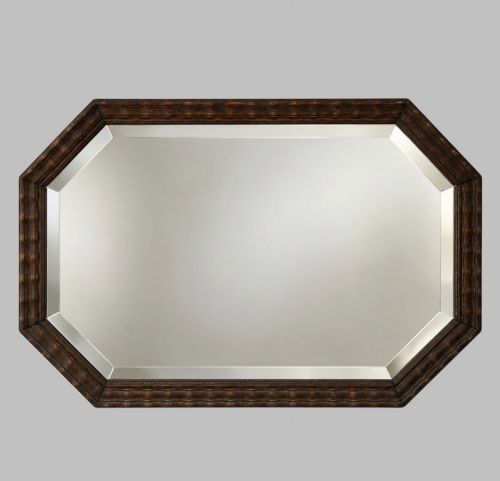
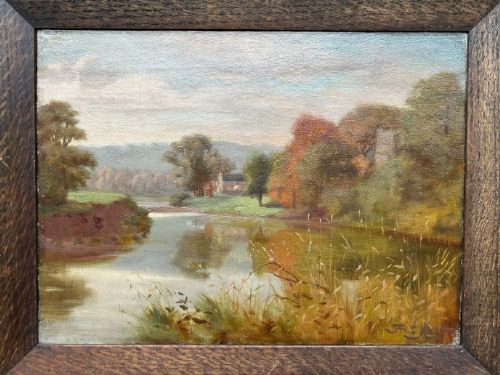
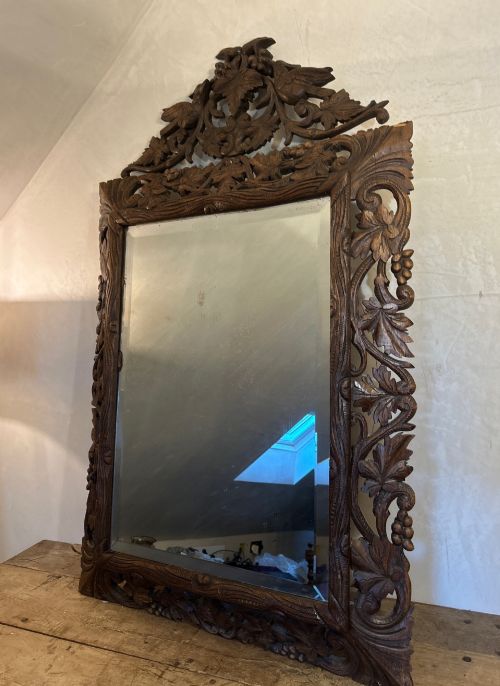
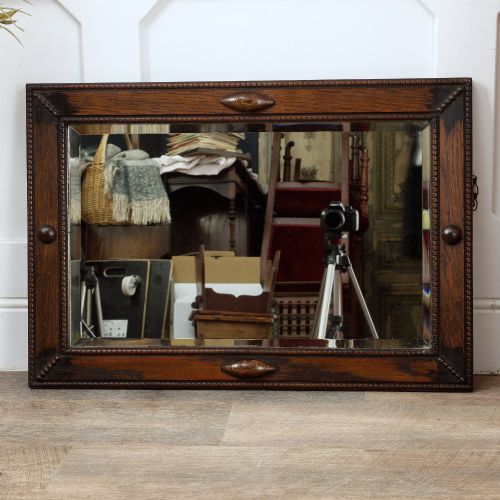
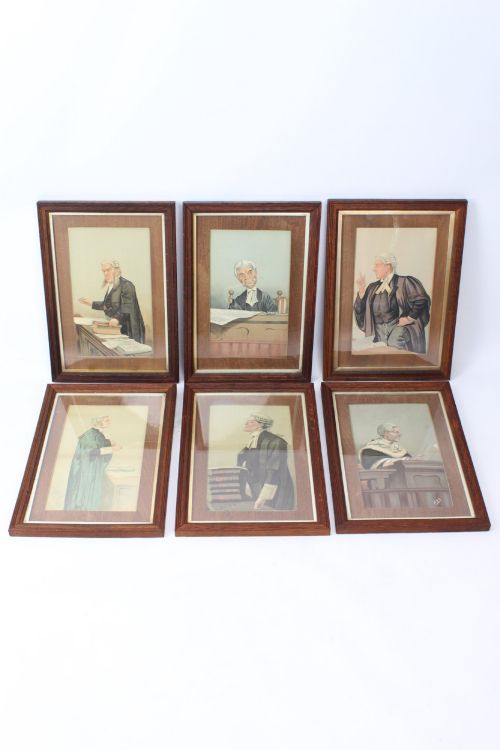
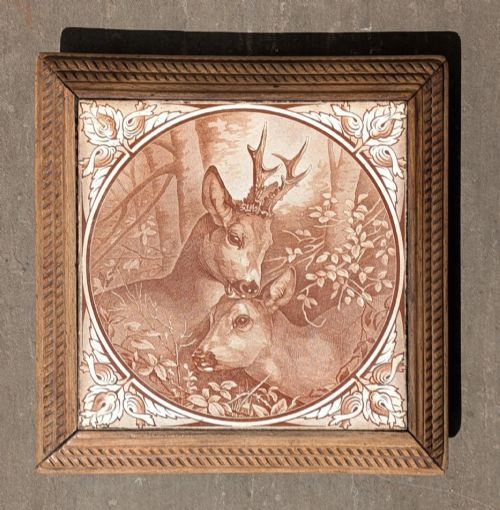
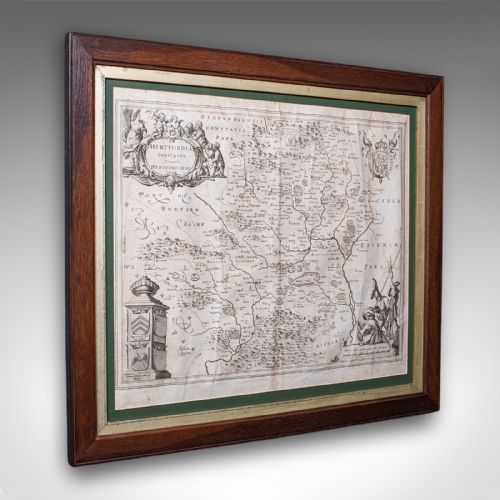
A brown oak frame encases various domestic objects including bevelled wall mirrors, oil paintings, watercolours, maps and decorative prints. Buyers seeking this specific timber finish will encounter pieces ranging from simple rustic mouldings to heavily carved overmantles and architectural surrounds.
The selections span multiple periods, drawing heavily from nineteenth-century production alongside Edwardian items and earlier Georgian examples. These items typically house original artworks, glazed cartography or functional household looking glasses rather than empty surrounds.
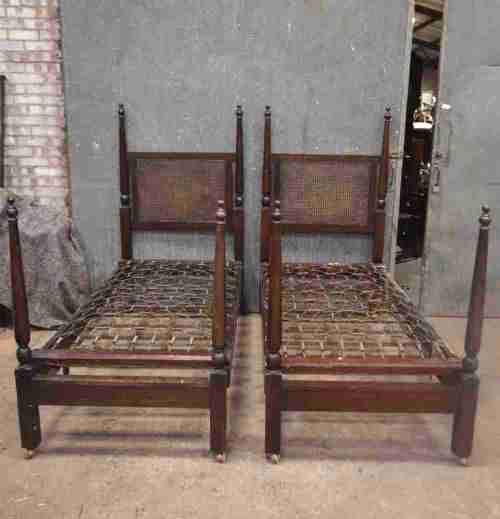
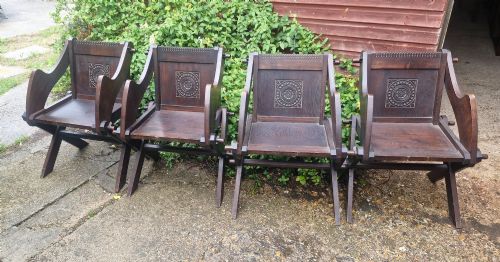
Form and function merge across diverse categories, stretching from substantial four-poster bedstead headboards and dining chairs to compact wall mirrors and vanity pieces. Each item relies on the distinctive warmth and natural figuring of oak to anchor its visual weight within a room.
Materials and construction methods
Makers utilised solid oak alongside specialised wood veneers to build structural supports, housing glass, canvas, paper and ceramic tiles within protective borders. The timber is frequently shaped through traditional joinery, ranging from plain rebated mouldings to deeply carved relief work.
Surface treatments vary from polished wood finishes to painted or waxed applications that highlight the timber's natural grain. Additional materials such as brass fixings, leather upholstery and gilt elements appear alongside the primary oak construction to complete each piece.
Listings incorporate items spanning from the seventeenth century through the Victorian and Edwardian eras, constructed primarily in oak, glass, and paper.
Judging the quality of the work
Quality rests in the precision of the timber selection and the depth of the carving rather than mere age alone. Superior examples display tight, stable grain matching across mitred corners, whereas lesser pieces rely on heavy surface stains to mask inferior timber.
The integration between the frame and its contents defines the overall standard of the object. Master craftsmen ensured that backing boards, fixings and sight edges complement the artwork or mirror glass securely without placing undue stress on the wood.
Waring and Gillow·Sherwin and Cotton
The Brown Oak Frame Glossary
- Bevelled
- Glass edges are ground and polished at an angled slope to catch the light. This technique adds depth and decorative refinement to wall mirrors.
- Overmantle
- A large mirror or panel designed to hang directly above a fireplace mantelpiece. These pieces often feature substantial carved oak surrounds.
- Bergere
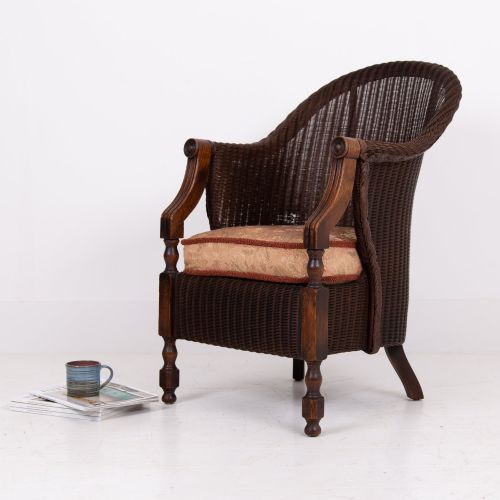
- An enclosed armchair with cane or upholstered sides framed in wood. The sturdy oak structure provides structural integrity for the woven panels.
- Cartography
- The science or practice of drawing maps. Antique examples often feature engraved topographical details preserved behind glass within wooden borders.
Brown Oak Frame: Frequently Asked Questions
How do I date a brown oak frame?
Dating relies on examining the construction methods used on the reverse, the type of fixings, and the style of the wood mouldings. Earlier pieces often display hand-sawn timber marks and traditional joinery.
Changes in hanging hardware and the clarity or tint of any glass or paper content also help narrow down the period of manufacture.
Can I hang a heavy oak framed mirror safely?
Substantial oak frames require robust wall fixings anchored directly into masonry or secure wall studs. The weight of the timber and glass demands professional grade picture wire or brackets.
Check the structural joints at the corners of the frame before hanging to ensure the timber remains stable under tension.
How should I clean brown oak timber?
Dust the wood regularly with a dry, soft cloth to prevent particulate buildup in the grain. Avoid harsh chemical cleaners or excessive moisture which can damage the finish.
Applying a traditional beeswax polish occasionally helps nourish the oak and maintain its natural lustre without sealing the pores permanently.
Are these frames usually original to the artwork?
Many pieces retain their original period surrounds, particularly mirrors and specialised framed documents where the border was built for the specific item. Paintings and prints occasionally underwent reframing in later decades.
Inspecting the fit of the rebate and the ageing of the timber helps determine whether the frame and its contents have remained together historically.