



Arts and Crafts Frame
When searching for an arts and crafts frame, buyers encounter pieces defined by honest construction and hand-wrought metal or timber borders.
Arts and Crafts Frame
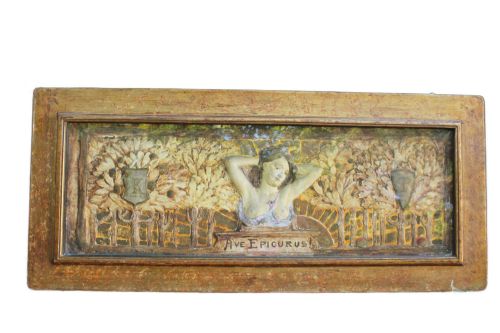
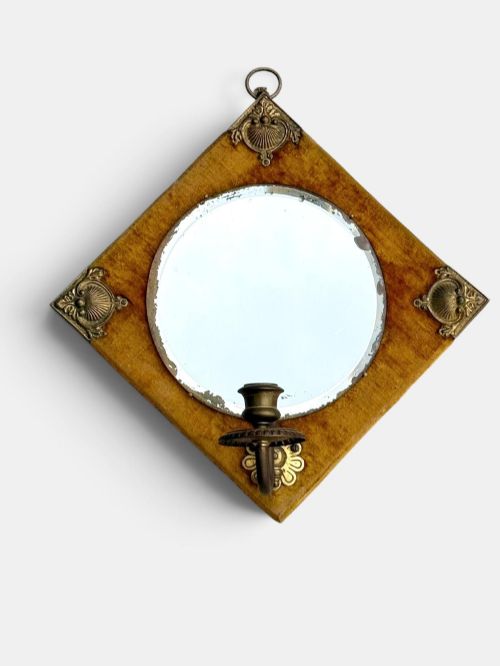
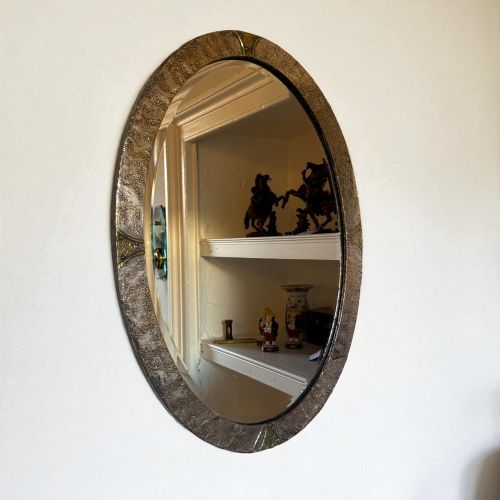
An arts and crafts frame encompasses wall mirrors, photographs, paintings, and tiles created during the late nineteenth and early twentieth centuries. These objects show the hand of the maker through visible joints, hammered textures, and integrated decorative motifs.
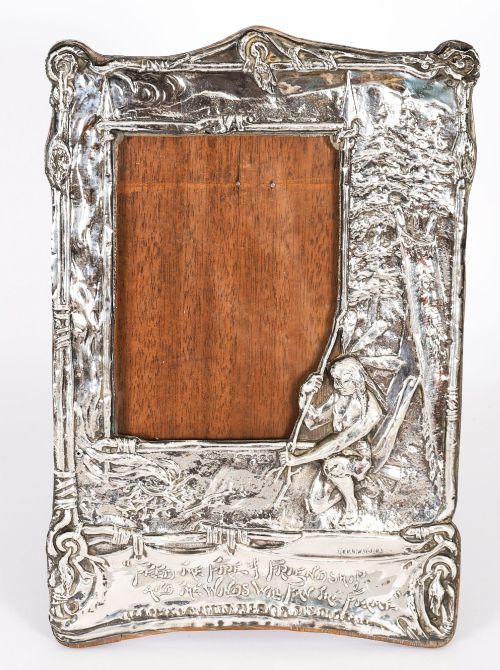
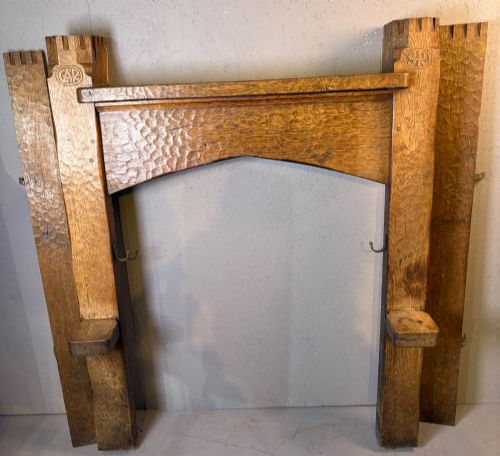
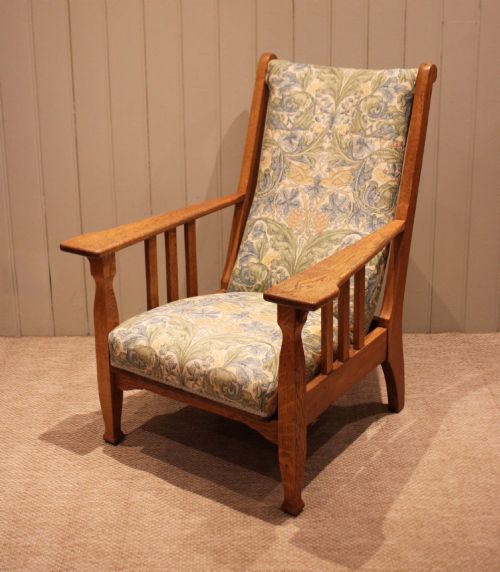
Most examples met on this page consist of solid oak or beaten metal surrounds, particularly copper and brass, often displaying stylised plant forms, Celtic knots, or rivet studs. Wall mirrors and photographic surrounds dominate the selection, spanning from the Victorian era into the 1930s.
How They Were Made
Craftsmen utilised native and exotic timbers such as oak, fruitwood, and walnut, often fumed or limed to reveal the natural grain. Metal components relied on sheet copper, brass, and pewter worked by hand using repoussé and hammering techniques.
Makers integrated decorative details through riveting, cabochon stones, and enamel work, securing glass plates with traditional rebates and wooden backs. The construction prioritised structural honesty, leaving joinery and fixings visible rather than concealing them beneath heavy veneers.
Arts and Crafts Frame Retail Price Guide 2026
Typical asking prices for arts and crafts frame among the pieces listed under this phrase on Sellingantiques today, from the lower quarter to the upper quarter. They describe what is for sale here now, not the wider market.
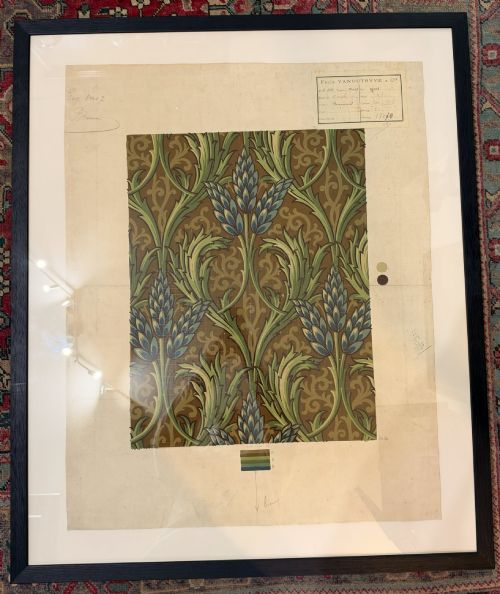
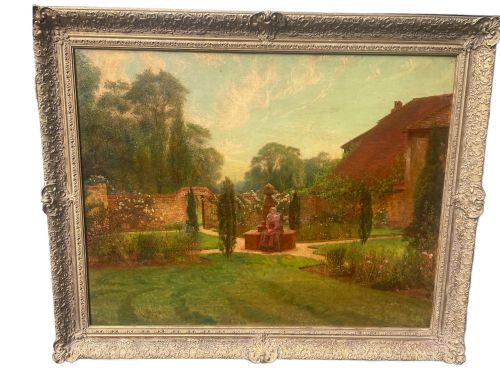
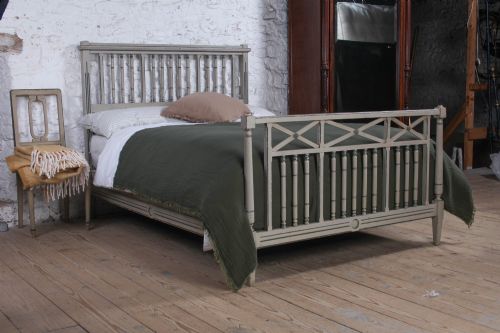
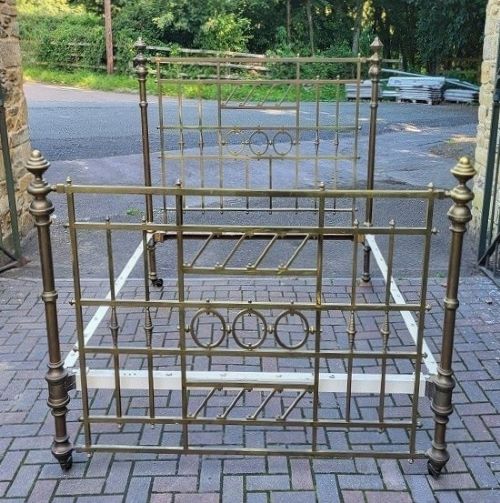
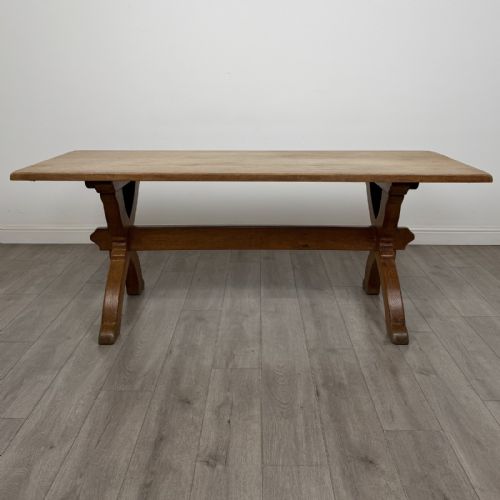
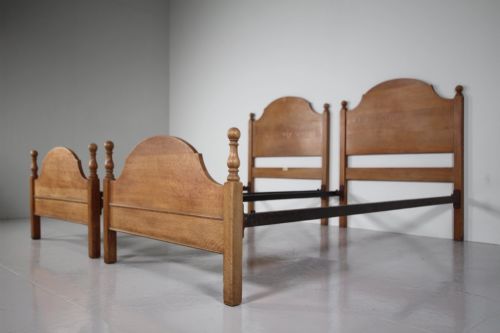
The archive includes wall mirrors, single and double beds, photographic surrounds, and refectory chairs.
What Varies In Quality
Quality rests upon the depth of hand-working in the metal and the selection of timber. Heavy gauge sheet metal bearing crisp, deep repoussé work separates superior pieces from thin stampings produced with mechanical uniformity.
The integration of decorative elements like Ruskin ceramic cabochons, enamel plaques, and maker signatures elevates certain examples. Construction methods, such as pegged mortise and tenon joints in wooden surrounds, determine the enduring structural integrity of each piece.
Liberty and Company·Heals·Stanley Webb Davies·Oliver Morel·William Hutton and Sons·Sherwin and Cotton·James Shoolbread and Co·Shapland and Petter
The Arts and Crafts Frame Glossary
- Repoussé
- A metalworking technique where the artisan hammers the material from the reverse side to form a raised design in relief. Details are then refined from the front using chisels and puncheons.
- Cabochon
- A polished, convex gemstone or ceramic piece lacking facets, frequently set into metal frames as an accent. These often include iridescent Ruskin pottery cabochons.
- Fumed oak
- Timber darkened through exposure to ammonia fumes, which reacts with the natural tannins in the wood. This process highlights the grain without the use of pigmented stains.
- Bevelled plate
- A mirror glass with an angled edge ground down to a thinner border. This treatment catches the light and adds depth to wall mirrors.
- Slip
- A narrow inner border or frame, often made of wood or gilt, placed inside a larger main frame to separate the artwork from the outer edge.
Arts and Crafts Frame: Frequently Asked Questions
How do I date an arts and crafts frame?
Dating relies on materials, construction methods, and stylistic cues recorded across the pieces. Items from the late Victorian period and around 1900 frequently exhibit hand-beaten copper with rivet studs, while 1930s examples often feature simplified forms in fruitwood or chestnut.
Maker labels, stamps, and retailer marks offer the most precise chronological indicators. Examining the backing boards, fixings, and glass types also helps establish the era of manufacture.
What metals were commonly used?
Makers predominantly worked with copper, brass, and pewter to create decorative surrounds and mirror frames. Copper was often left with a natural finish or treated to achieve varying tones, whilst pewter provided a softer grey lustre.
These metals were frequently enhanced with hammered textures, repoussé plant motifs, and inset enamel or ceramic cabochons. Iron also appears on larger structural elements like log bin frames and hardware.
Are mirrors original to the frames?
Many surviving wall mirrors retain their original bevelled glass plates, secured with old wooden backs and primitive fixings. Original plates often display minor foxing and age spots that confirm their period authenticity.
Replacement glass occasionally occurs due to accidental breakage over the decades. Inspecting the rebate and the oxidation around the edges helps determine whether the mirror plate shares the age of the frame.
How should I clean a copper frame?
Copper surrounds require gentle dusting with a soft, dry cloth to preserve their historical patina. Aggressive metal polishes strip away the aged surface character accumulated over a century.
If cleaning is necessary, a microcrystalline wax can protect the metal from further oxidation. Preserving the original surface condition maintains both the aesthetic appeal and the integrity of the piece.