







Flemish Baroque Art
Flemish baroque art captures a period of high theatricality and rich textures, bringing centuries-old oil paintings and verdure tapestries directly into modern rooms.
Flemish Baroque Art
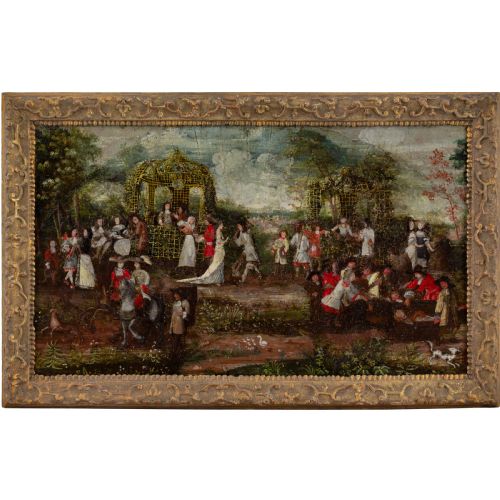
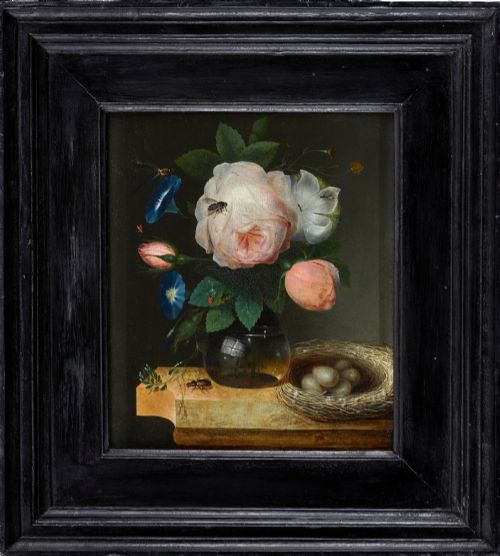
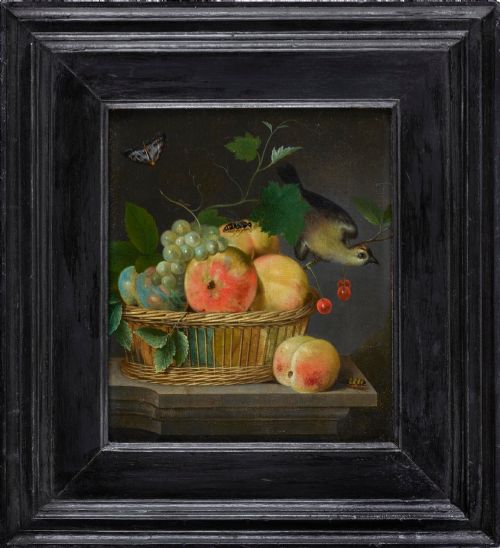
Flemish baroque art encompasses oil paintings, carved oak panels, and large-scale woven wall hangings created during the seventeenth century and immediately surrounding decades. These works range from grand mythological scenes and village fete landscapes to detailed still lifes of flowers and game.
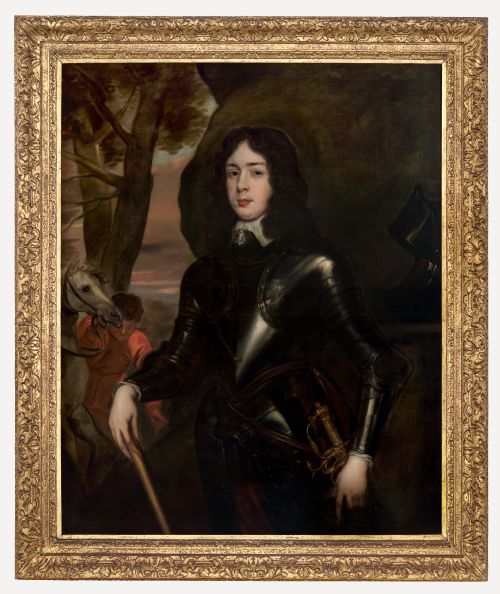
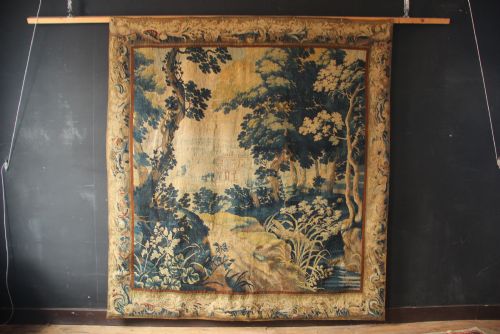
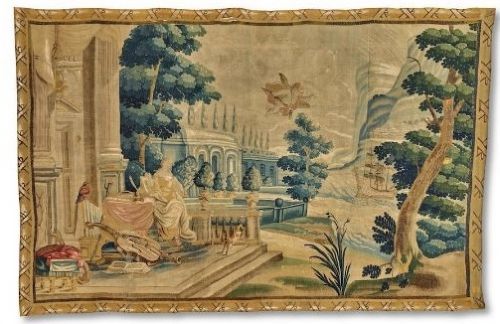
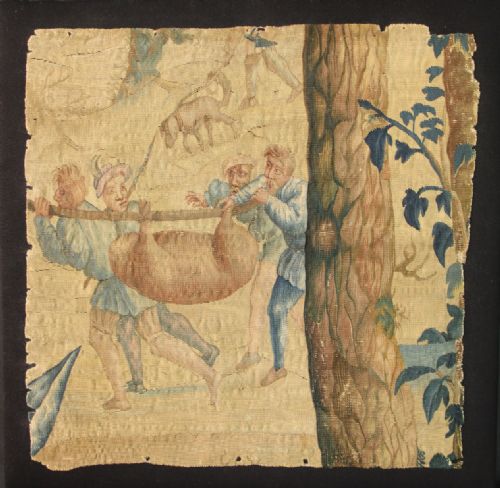
The objects most frequently met on this page include seventeenth-century verdure tapestries and seventeenth-century oil paintings on canvas depicting portraits or sporting scenes. Buyers also encounter carved wood Corpus Christi figures and architectural tapestry fragments originating from the Low Countries.
Most surviving pieces reflect the dominant influence of seventeenth-century baroque aesthetics, with Dutch golden age styles appearing alongside traditional Flemish compositions. Creators worked within schools and studio circles that perpetuated the visual language of masters like Peter Paul Rubens and David Teniers.
How they were made
Painters applied oil paint to canvas or wood panels, building up deep tones and atmospheric lighting characteristic of the period. Tapestries were woven using wool and silk threads, resulting in dense textiles designed to insulate rooms and display elaborate foliage or narrative scenes.
Carved wooden objects such as oak panels and Corpus Christi figures utilised hand-chasing and relief techniques on solid timber, sometimes finished with giltwood accents. Artisans constructed large-scale wall hangings and tapestry cushion covers through meticulous manual weaving processes that required months of skilled labour.
Dogs stealing food from baskets occasionally interrupt otherwise solemn seventeenth-century painting compositions.
What varies in quality
The standard of a painting rests upon the precision of brushwork in facial expressions, fabric folds, and animal textures, alongside the hand of the artist within a recognised school or circle. Studio productions show varying degrees of master involvement, with primary works exhibiting superior anatomical command and compositional depth.
For tapestries and textiles, quality depends on the density of the wool and silk weave, the preservation of original botanical or figurative colours, and whether the piece remains a complete wall hanging or a reduced fragment. Carved wood panels distinguish themselves through the crispness of relief detailing and the integrity of the original timber.
Sir Anthony van Dyck·Gaspar Peeter Verbruggen·Frans Snyders·David Teniers II·Jan Cossiers·Peter Paul Rubens
The Flemish Baroque Art Glossary
- Verdure tapestry
- A wall hanging featuring a predominant landscape design of trees, foliage, and often birds or animals. These textiles typically utilise green and earthy wool tones.
- Genre painting
- A work depicting scenes from everyday life, such as village gatherings, markets, or domestic interiors. These compositions focus on ordinary people rather than historical or mythological subjects.
- Giltwood
- Wood that has been treated with a thin layer of gold leaf or gold paint for decorative effect. This finish appears frequently on frames and carved architectural panels of the period.
- Corpus Christi
- A sculptural representation of the body of Jesus Christ on the cross. These carved figures reflect devotional art traditions of the seventeenth century.
- Old master
- An eminent European painter working before about eighteen hundred, or a painting produced by such an artist. The category includes referenced figures and studio circles from the seventeenth century.
Flemish Baroque Art: Frequently Asked Questions
How should I hang a large tapestry?
Large woven pieces require an evenly distributed weight system, typically using a hidden wooden batten or a sleeve sewn across the reverse top edge. This prevents the ancient wool and silk fibres from stretching under their own mass.
Ensure the textile hangs away from direct sunlight and moisture sources to protect the natural dyes and organic threads from degrading over time.
Where were these tapestries originally displayed?
Seventeenth-century tapestries hung in the grand halls, state rooms, and private chambers of European residences. Their primary purpose was both decorative and functional, providing vital insulation against cold stone walls.
Verdure and game park scenes brought the feeling of gardens and forests directly into indoor living spaces during winter months.
How do I care for an old oil painting?
Paintings on canvas need stable indoor humidity and temperatures to prevent the organic support and oil paint from expanding and contracting. Dust the surface only with a soft, dry brush and avoid chemical cleaning solutions entirely.
Direct sunlight will fade pigments over the decades, so position the artwork on a wall protected from harsh rays.
What is the difference between a school and an artist?
A named master refers to the specific historical painter whose hand created the work or whose immediate workshop executed the design. Pieces attributed to a school indicate followers or later artists working within the distinct style of that region.
Studio pieces often show collaborative workshop output rather than the sole labour of the primary master.