




Allegorical Figure Painting
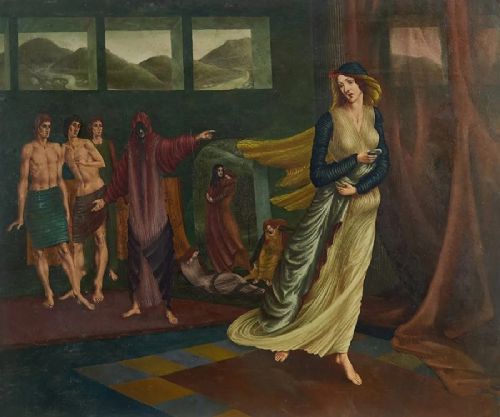
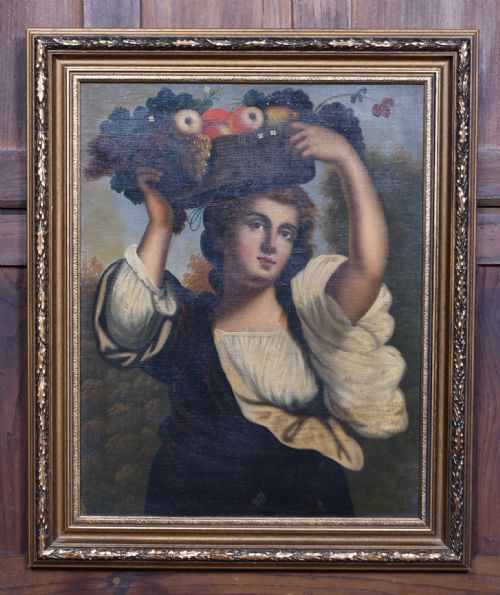
An allegorical figure painting uses symbolic personification to render abstract ideas visible on canvas, bringing classical depth and narrative richness to any room.
Allegorical Figure Painting
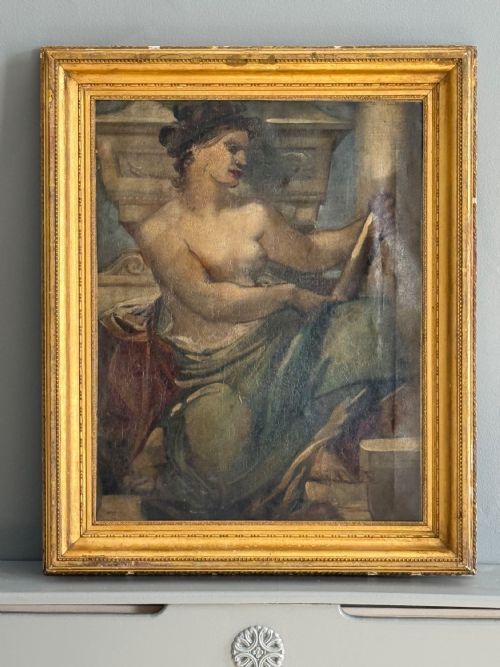
An allegorical figure painting depicts symbolic representations of abstract concepts, seasons, elements, or virtues through human forms and classical narratives. When you search for allegorical figure painting, you encounter canvases rendered in oil paint alongside porcelain figurines and sculptural groups sharing the same symbolic themes.
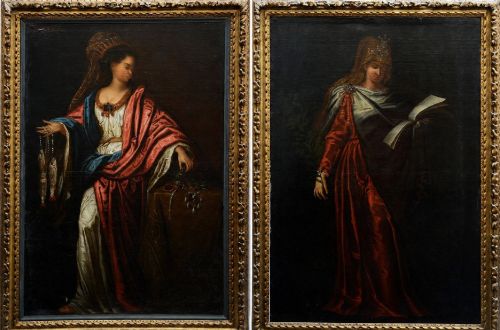
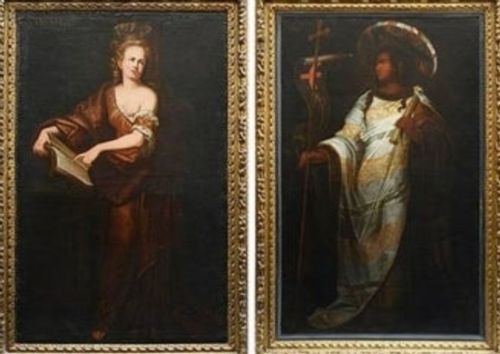
The selections span from eighteenth-century classical interpretations to nineteenth-century Renaissance Revival and Symbolist works. Canvases range from pairs depicting the Sibyls to monumental oils after Peter Paul Rubens.
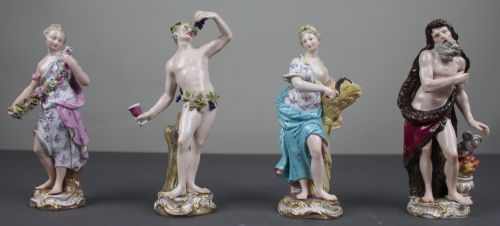
Alongside the paintings, this category frequently includes porcelain figures and candelabra representing the Four Seasons or the continents. These three-dimensional pieces translate the same allegorical vocabulary into ceramic form.
Materials and construction
Canvases are prepared with oil paint, occasionally utilising gold leaf accents on board or stretched fabric supports. The painted works rely on traditional glazing and brushwork techniques established in European schools.
Porcelain works employ detailed moulding and hand-painting with enamel colours, often incorporating gilt wood components in related pieces such as candelabra. Kiln firing sets the enamel and glaze across figures produced by European porcelain factories.
Listings feature oil paintings on canvas and board alongside porcelain figurines from the eighteenth and nineteenth centuries, spanning Rococo Revival, Neoclassical, and Symbolist styles.
Assessing quality and execution
The distinction between tiers rests in the anatomical precision of the figures and the sophistication of the narrative composition. Masterful handling of oil paint creates depth in drapery and expression, whereas lesser works show stiffness in the rendering of limbs and faces.
Meissen·Samson Derby·Bow Porcelain·Carl Thieme Dresden·Helena Wolfsohn·Volkstedt·Derby Porcelain·Royal Berlin
The Allegorical Figure Painting Glossary
- Allegory
- The representation of abstract ideas through concrete characters and narrative scenes. Painters use human figures to symbolise seasons, elements, or moral concepts.
- Sibyl
- An ancient prophetic priestess frequently depicted in classical and Renaissance art. The Cumaean and Delphic sibyls appear in large-scale eighteenth-century oils.
- Enamel
- Opaque vitreous material fused to porcelain surfaces through firing. It provides the vibrant colour found on antique figurines and candelabra.
- Renaissance Revival
- A nineteenth-century artistic movement drawing inspiration from fifteenth- and sixteenth-century Italian art. Works in this style employ classical composition and dramatic oil technique.
Allegorical Figure Painting: Frequently Asked Questions
What subjects do these paintings show?
These works depict mythological and symbolic subjects, including the Four Seasons, the elements, and classical figures like the Sibyls. Artists use human personification to convey broader philosophical or seasonal narratives.
The compositions often draw from classical literature and Renaissance traditions, presenting allegories through carefully arranged groupings of figures and symbolic attributes.
How do I care for oil paintings?
Keep oil paintings away from direct sunlight and dramatic fluctuations in temperature or humidity to protect the canvas and paint layers. Dust the surface gently with a soft, dry brush without applying pressure.
Avoid using liquid cleaners or water on the paint surface. Professional conservation is recommended for any deeper cleaning or restoration work.
Are the porcelain figures marked?
Many porcelain figures and groups carry factory marks on the underside, such as blue crossed swords for Meissen or specific stamps for Derby and Volkstedt. These marks help identify the producing kiln and approximate period.
Some nineteenth-century pieces emulate earlier styles or marks, so examining the modelling quality alongside any stamped or painted insignia is essential for accurate attribution.
Where should I display these pieces?
Large oil paintings require stable wall space with good ambient lighting to showcase the depth of the canvas and oil medium. Pair them with period furnishings to maintain a cohesive historic interior.
Porcelain figures and candelabra suit secure mantelpieces, sideboards, or display cabinets where they can be viewed closely without risk of accidental impact.