
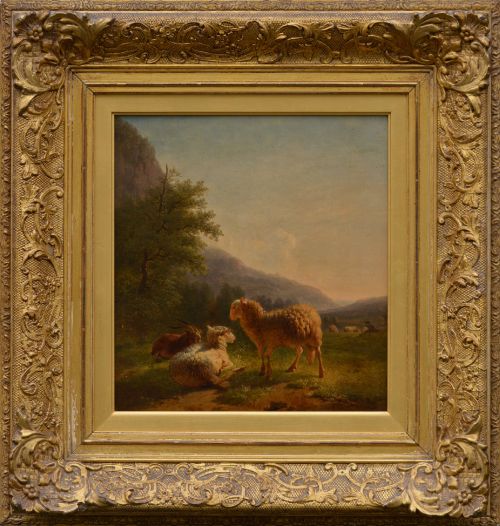
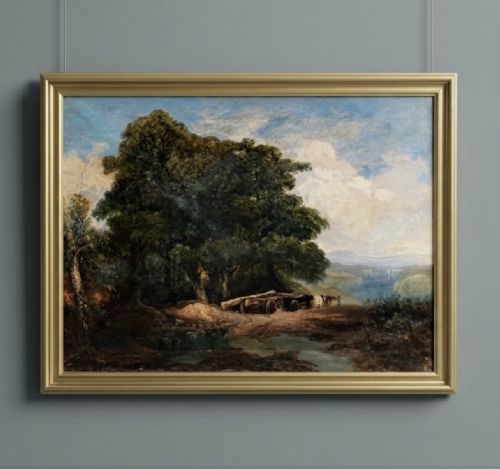
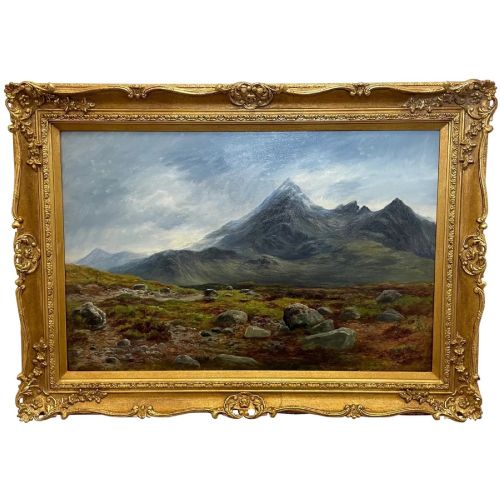
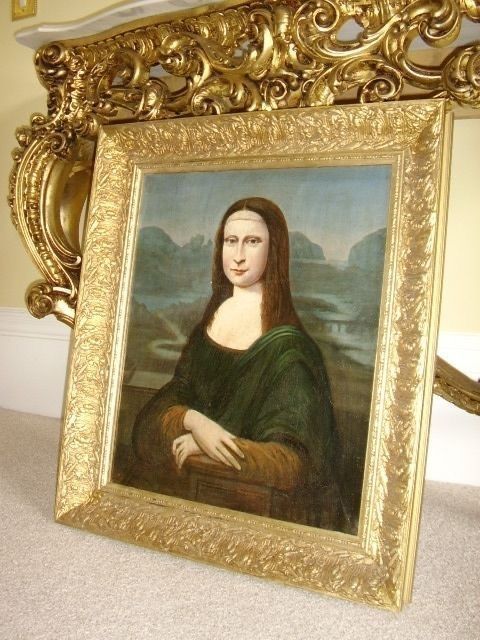



Green Framed Oil Painting
A green framed oil painting brings rich colour and enduring texture to a room.
What green framed oil paintings are
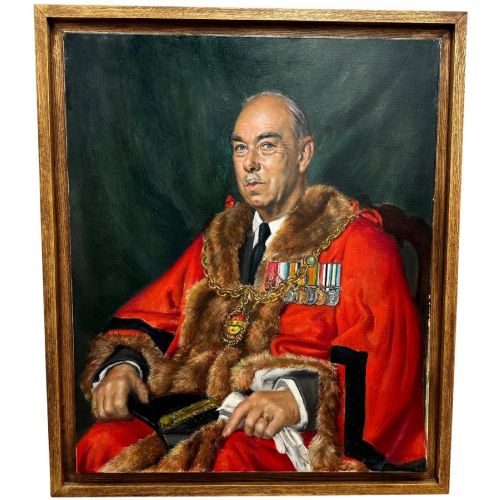
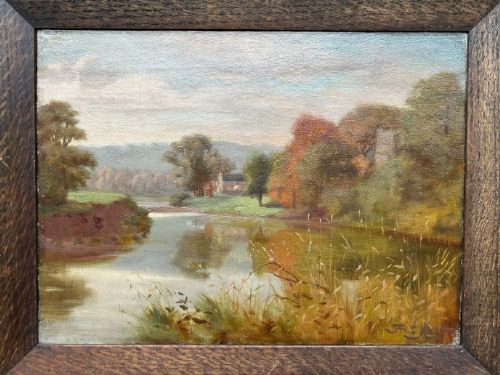
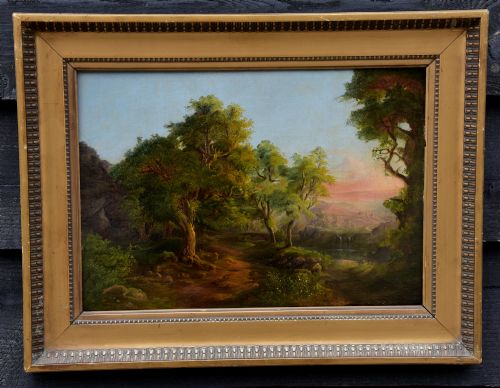
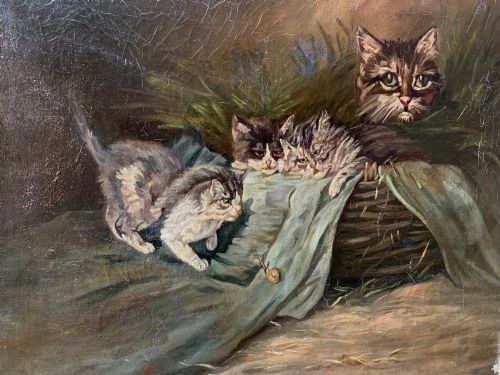
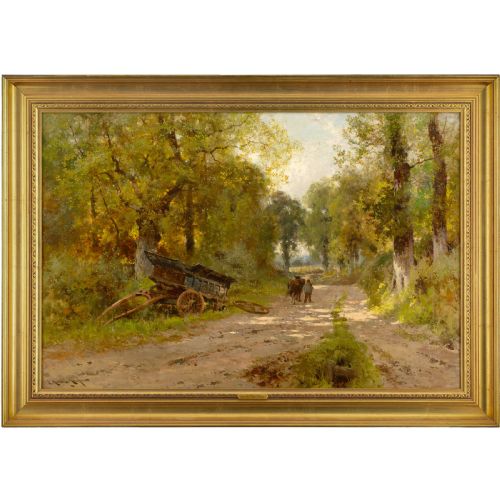
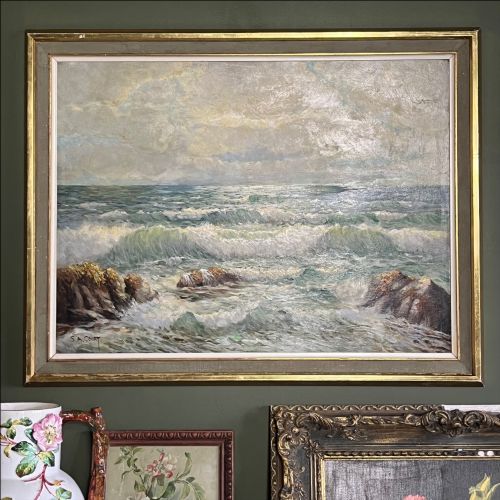
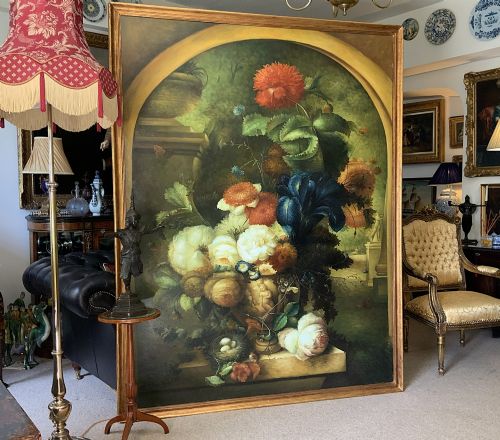
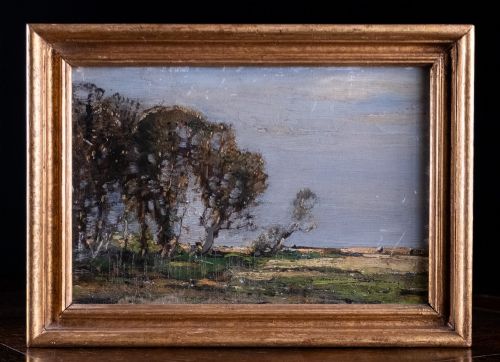
A green framed oil painting unites painted canvas or wood panel with a painted or finished wooden border, bringing together landscape, portrait, and still life subjects. These pieces span multiple decades from the nineteenth century into the mid-twentieth century.
The selection here includes works from the Victorian period through to Modern British and Mid-Century Modernism. Subjects range from Welsh landscapes and autumn farming scenes to religious art and self-portraits.
Buyers encounter British Impressionist, Post-Impressionism, and Traditional Realism styles within this collection. Each work carries the distinct artistic language of its creator, whether working in Cornwall, France, or elsewhere.
How they were made
Artists applied oil paint using brushes onto supports of canvas, wood panel, or fabric. These foundational materials provided the stability needed for pigment retention over decades.
Framing involved wood fashioned to enclose the painting, occasionally featuring gilded detailing alongside green pigments. The combination of wood and oil paint created a durable finished object.
Retail Price Guide 2026
Typical UK retail prices for green framed oil painting, calculated from the Sellingantiques database of over a million retail prices indexed since 2003. This retail price guide relies exclusively on Sellingantiques data; no external sources or auction records are used, so the figures do not describe the wider market.
One canvas preserves the likeness of the curator of the Toulouse-Lautrec Museum, painted by himself.
What varies in quality
Quality rests in the handling of the medium and the sureness of the composition, distinguishing accomplished brushwork from simpler execution. The depth of the pigment layers and the preservation of the canvas or panel dictate the visual strength of the piece.
The integration between the artwork and its surrounding frame affects the overall integrity of the object. Finer works display a harmonious relationship where the frame complements the tones and period of the painting.
Hubert Wellington·Costantino Frixione·Edouard Julien·Denis Mitchell·Constant Ludovic Artz
The Green Framed Oil Painting Glossary
- Oil on Canvas
- Pigments suspended in a drying oil applied to a stretched woven fabric surface. This method allows for subtle blending and rich texture.
- Wood Panel
- A rigid wooden support used as a base for painting instead of fabric. Panels offer a firm surface favoured for detailed brushwork.
- Modern British
- An umbrella term for art produced in Britain during the twentieth century influenced by various continental movements. It encompasses diverse approaches from traditional realism to abstraction.
- St Ives School
- An association of artists based in Cornwall known for developing modernist practices. Their output reflects the unique light and coastal landscape of the region.
Frequently Asked Questions
How do I hang a heavy framed painting?
Ensure your wall fixings are secured directly into wall studs or use appropriate heavy-duty wall anchors. The weight of wood panels and substantial frames requires robust hardware to support the piece safely.
Position the painting at eye level, generally centring the composition around five feet from the floor. This placement ensures optimal viewing from a standing position within the room.
Where should I place an oil painting?
Keep oil paintings away from direct sunlight and excessive moisture to protect the canvas and pigments. Stable indoor temperatures prevent the wood panel and frame from warping over time.
Allow adequate wall space around the frame so the artwork can breathe visually. Placing it in a room with gentle, indirect light highlights the texture of the oil paint.
What defines the Victorian period in art?
Victorian art encompasses works created during the reign of Queen Victoria, spanning diverse genres from naturalism to religious art. Artists focused on narrative detail, moral themes, and realistic depictions of their subjects.
Works from this era often utilise traditional techniques with careful attention to proportion and lighting. The framing tends to be substantial, matching the formal character of the period.