


Canvas Religious Wall Art
Canvas religious wall art offers a direct link to centuries of devotion through painted portrayals of biblical figures and sacred narratives.
Canvas Religious Wall Art
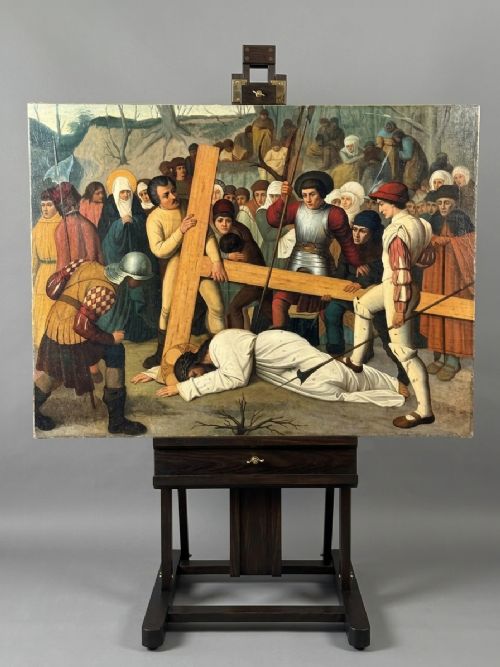
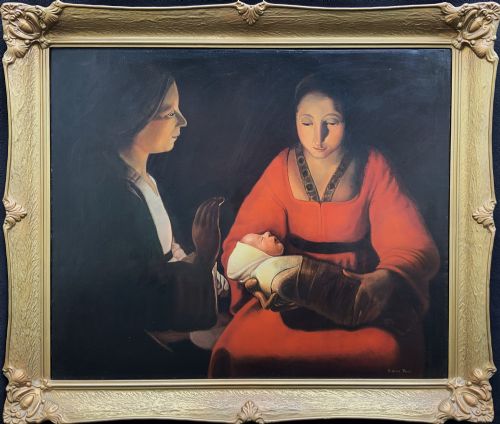
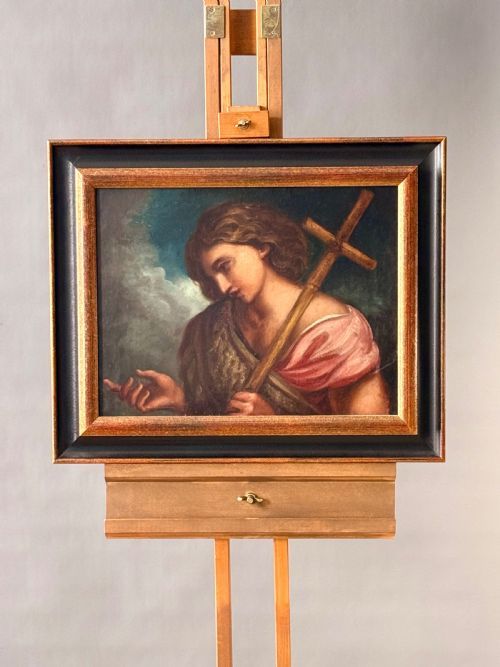
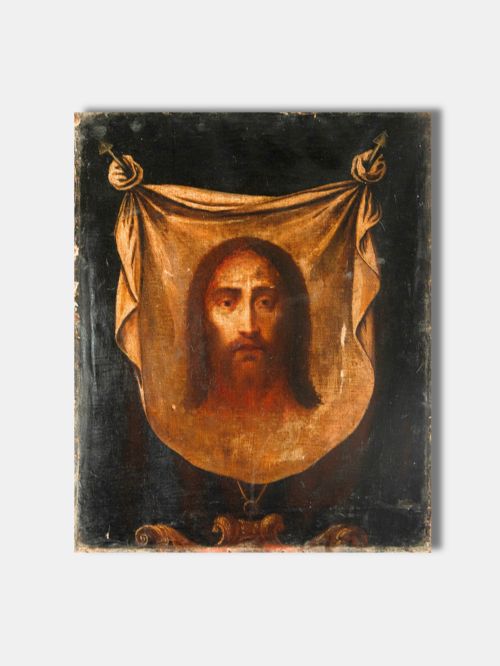
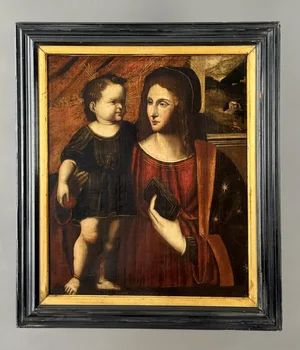
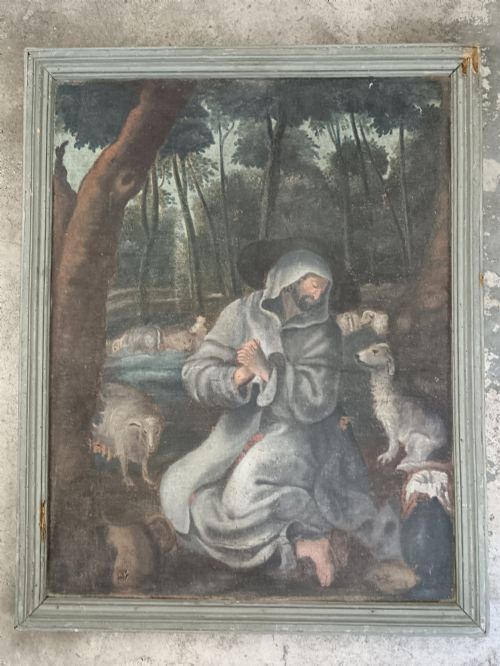
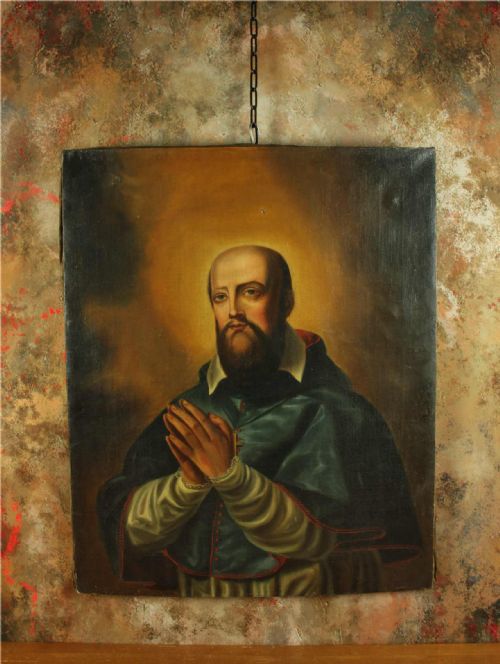
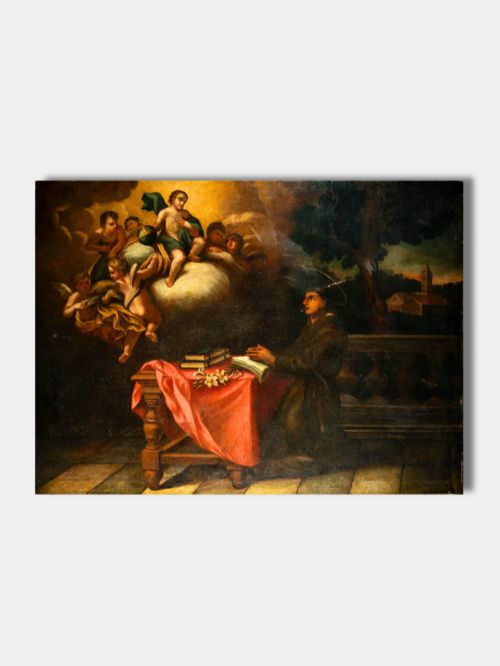
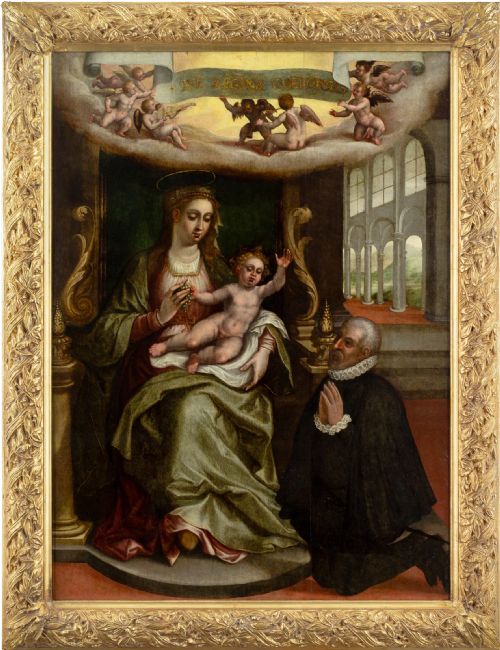
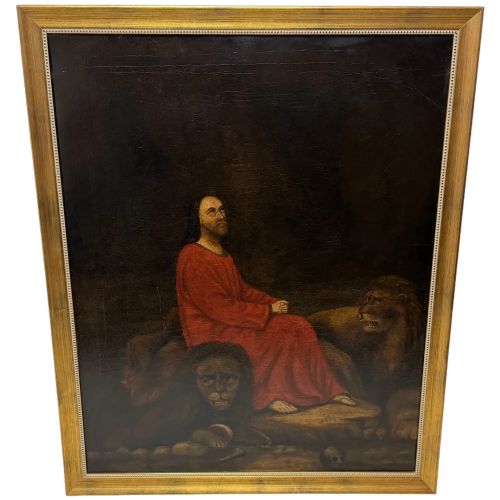
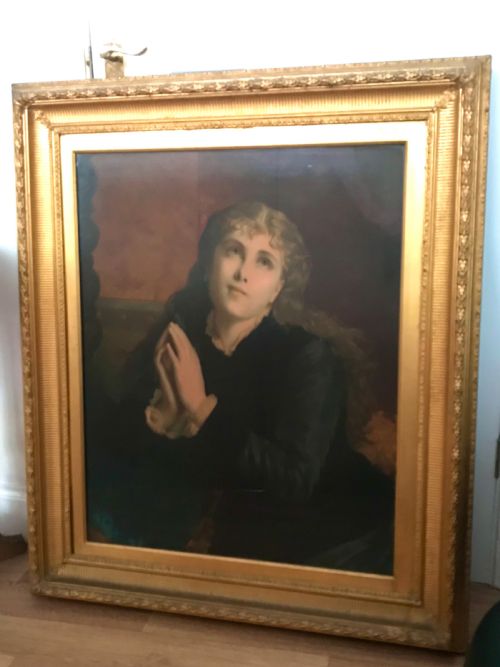
Canvas religious wall art comprises devotional paintings spanning from the seventeenth to the twentieth century, created by European schools and individual artists. These works frequently depict figures such as the Virgin and Child, Saint John the Baptist, and various saints within narrative or portrait formats.
Buyers encountering this selection will find numerous examples rooted in Italian, Spanish, and French traditions, often reflecting the styles of the Baroque or Renaissance periods. Many pieces originate as studio works, copies after masters like Raphael and Correggio, or devotional items intended for private contemplation.
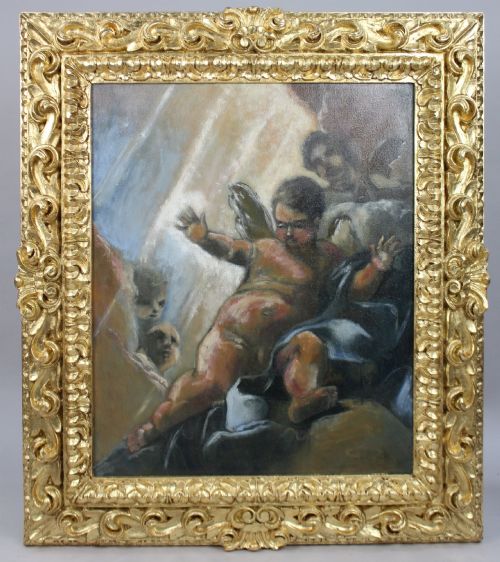
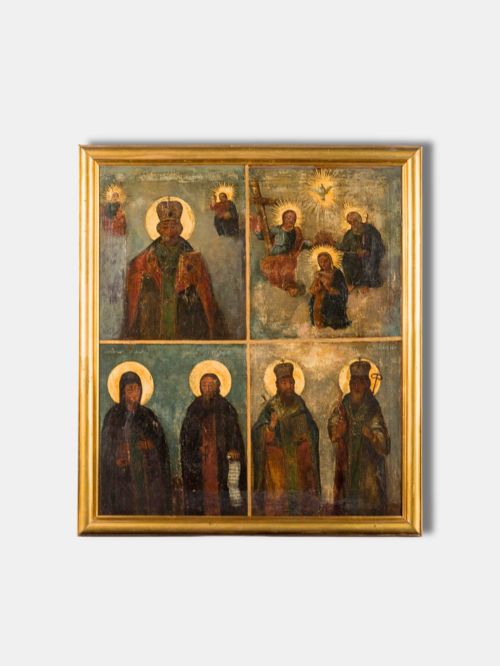
The physical form is typically an oil painting on stretched canvas, occasionally incorporating tempera or gold leaf, and sometimes retained within carved giltwood frames. These objects serve both as historical artefacts of religious expression and as traditional wall decorations.
Materials and Techniques
The primary technique relies on oil paint applied to woven canvas supports, allowing artists to build rich layers of colour and shadow. Ground pigments mixed with oil provide the flexibility needed for large compositions, while earlier or specific iconographic works integrate tempera and gold leaf.
Support structures commonly involve timber stretchers holding the canvas in place, frequently paired with decorative wooden frames, including carved and gilded giltwood. Surface protection often consists of historical varnish layers that darken over time, while underlying alterations in the paint surface, known as pentimenti, reveal compositional changes made during creation.
Listings feature oil on canvas and gold leaf materials applied across centuries of European religious painting traditions.
Evaluating the Works
The integration of the canvas with its period frame also influences the overall integrity of the piece, as does the stability of the paint layer. Works displaying careful draughtsmanship and confident application demonstrate the enduring standards of European academic and regional workshops.
Jozef Jansessens·Georges de La Tour·Bernardino Luini·Miguel Barroso·Francesco Solimena·Costantino Frixione·Gaspar de Figueroa·Raffaello Sanzio·Antonio Allegri Correggio·Scipione Pulzone·Rosso Fiorentino·Antonio Tempesta·Orsola Maddalena Caccia·Pompeo Batoni·Girolamo Dai Libri·Ernst Stierhof
The Canvas Religious Wall Art Glossary
- Pentimento
- A visible trace of an earlier painting, brushstroke, or correction that the artist painted over, revealing changes in the composition during the creative process.
- Giltwood
- Wood, typically carved timber, that has been coated with a thin layer of gold leaf or metallic powder for decorative effect.
- Tempera
- A permanent, fast-drying painting medium consisting of coloured pigment mixed with a water-binder agent, such as egg yolk, used frequently in early icons.
- Old Master
- A term applied to European painters of skill who worked before about eighteen hundred, or to the works produced by them.
- Oleograph
- A mechanical colour lithograph reproduction textured to imitate the surface of an oil painting on canvas.
Canvas Religious Wall Art: Frequently Asked Questions
What periods do these paintings date from?
The inventory spans several centuries, with a heavy concentration of works originating from the seventeenth and eighteenth centuries alongside nineteenth-century interpretations.
Earlier examples often reflect Baroque or Renaissance traditions, while later pieces demonstrate continued reverence for traditional religious themes into the modern era.
How should I care for a canvas painting?
Keeping the artwork away from direct sunlight and maintaining stable indoor humidity levels will protect both the canvas support and the oil paint layer.
Dusting should be done gently with a soft, dry brush, avoiding any moisture or chemical cleaning agents that might damage historical varnish.
Are these original paintings or prints?
The majority of pieces listed are hand-painted oil or tempera works on canvas executed by historical artists, studio followers, or regional schools.
Occasional items may include nineteenth-century oleographs designed to replicate the appearance of oil paintings under glass.
What is an after-master painting?
An after-master painting is a work created by an artist who copied or reinterpreted a famous composition by an established master, such as Raphael or Correggio.
These pieces were common in European art education and devotional practice, allowing skilled painters to disseminate celebrated religious imagery.