


Italian School Fine Art
These pieces of italian school fine art bring centuries of oil paint, canvas, and gold leaf into your room.
Italian School Fine Art
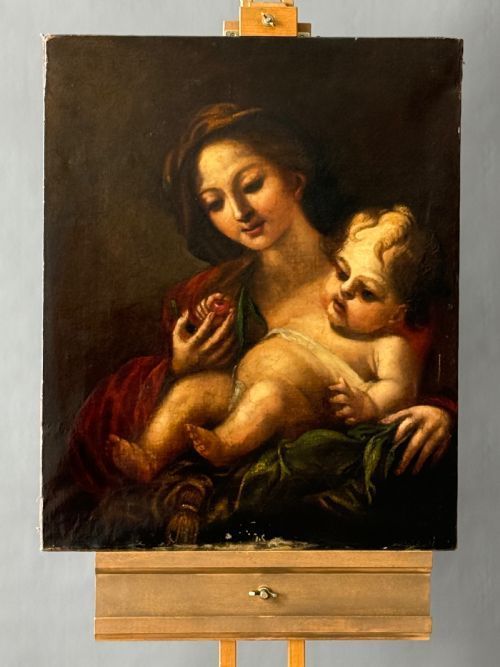
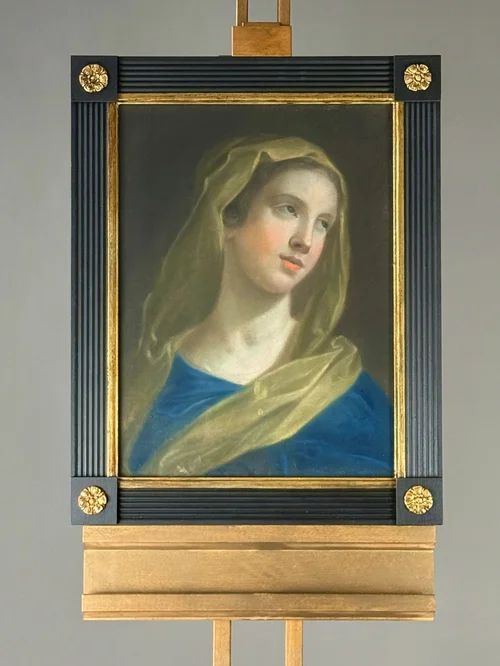
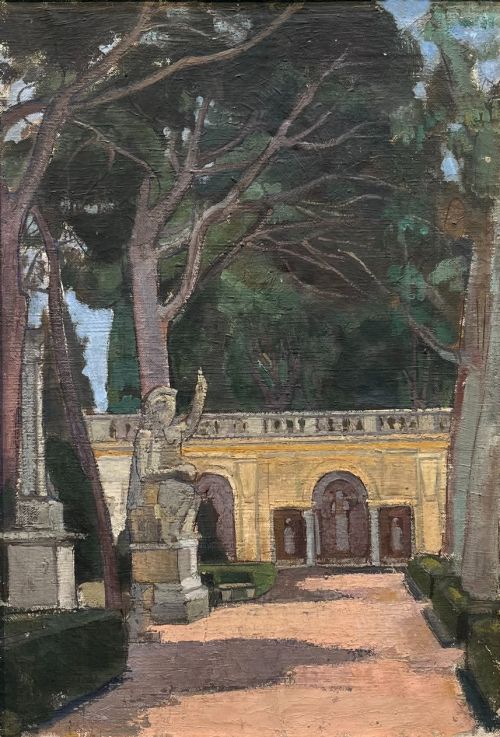
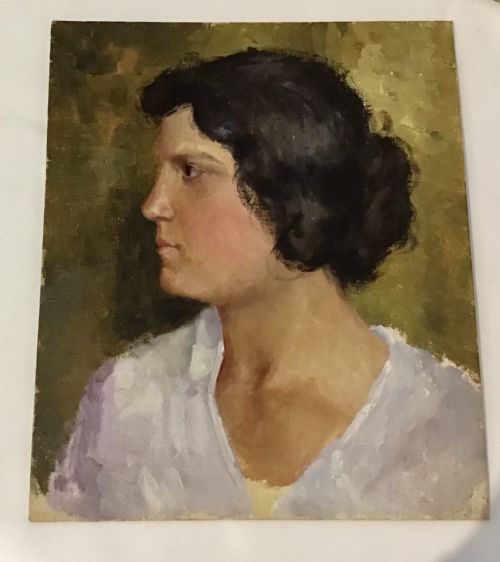
Italian school fine art comprises historical oil paintings, watercolours, and pastels spanning the seventeenth century through to the early twentieth century. When exploring this selection, you encounter religious depictions, pastoral landscapes, and character portraits attributed to regional workshops and named masters.
The prevalent form on this page is the oil painting on canvas or wood panel, often housed in original giltwood frames. Works range from seventeenth-century Baroque studies of sacred figures to nineteenth-century coastal scenes of Naples and Venice.
Pieces frequently reflect the direct influence or tradition of major figures such as Guido Reni, Bartolomeo Schedoni, and Giovanni Battista Moroni. Collectors acquire these works to secure authentic historical atmosphere and academic draughtsmanship in domestic interiors.
How They Were Made
Painters of these works applied oil paint to stretched canvas, wooden panels, or heavy paper supports using traditional ground layers. Pigments were bound in oil to allow for rich glazing, deep shadow work, and luminous highlights.
Many of the older works feature elaborate hand-carved giltwood frames finished with gold leaf applied over gesso. Watercolours on paper capture lighter tonal effects for topographical scenes of Rome and Naples.
What Varies in Quality
The distinction between ordinary and exceptional works rests upon the confidence of the brushwork and the expressive power of the composition. Masterpieces display acute anatomical precision and sophisticated handling of light, whereas lesser pieces reveal stiffer proportions and formulaic background details.
Condition and originality dictate the standing of a piece within its period. Works retaining their original giltwood frames and untouched paint surfaces carry greater visual integrity than those subjected to heavy overpainting or structural panel repairs.
Benedetto Luti·Bartolomeo Schedoni·Andrea Celesti·Francesco Albani·Guido Reni·Giovanni Battista Moroni·Vincenzo Irolli·Giulio Cecchini·Giacomo Nani·Vittore Zanetti Zilla
The Italian School Fine Art Glossary
- Oil on Canvas
- A painting medium where pigments suspended in drying oils are applied to woven canvas stretched over a wooden frame. This technique allowed artists to achieve subtle tonal gradations and rich surface textures.
- Baroque
- An artistic style originating in Italy during the late sixteenth century characterised by dramatic lighting, deep shadows, and intense emotional expression. Works in this vein often depict dynamic religious or mythological narratives.
- Giltwood
- Timber carved and coated with a thin layer of gold leaf or gold paint. It provides ornate framing that enhances the reflective quality of old master paintings.
- Pastel
- A dry painting medium consisting of powdered pigment and a binder rolled into sticks. Artists used it on paper for rapid portrait studies with soft, velvety colour transitions.
- School
- A group of artists influenced by a particular master, region, or period sharing similar technical methods and stylistic traits. Listings often attribute works to a specific school when the exact hand remains anonymous.
Italian School Fine Art: Frequently Asked Questions
How do I identify a seventeenth-century Italian painting?
Examine the canvas preparation, stretcher construction, and pigment characteristics typical of the period. Seventeenth-century works often display Baroque lighting conventions and rich earth palettes.
Look for craquelure patterns in the oil paint layer that indicate genuine age. Attribution notes and framing styles also provide clues to the originating workshop.
Where should I hang an oil painting?
Choose a wall away from direct sunlight and sudden temperature shifts to protect the oil paint and canvas. Stable indoor conditions prevent the wood panel or canvas from warping.
Ensure the artwork hangs at eye level where adequate ambient lighting highlights the details. Pairing the painting with a traditional giltwood frame helps anchor it within a room.
What is the difference between a school and a master?
A master refers to the primary artist whose hand created a specific documented work. A school denotes followers or pupils working in the style of that master.
Works attributed to a school often lack a signature but carry the technical hallmarks of a specific region. This distinction influences how collectors evaluate historical attribution.
How do I care for antique watercolours?
Keep watercolours behind UV-filtering glass to prevent the paper and pigments from fading under light exposure. Humidity control prevents mould growth on the paper support.
Avoid hanging watercolour paintings in damp spaces such as unventilated kitchens or bathrooms. Gentle dusting of the frame is usually all the routine maintenance required.