




Old Master Religious Art
Old master religious art brings centuries of devotion into a room through oil on canvas, wood panels and fine engravings.
Old Master Religious Art
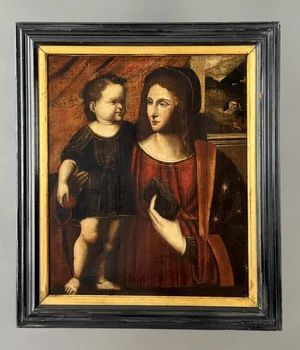
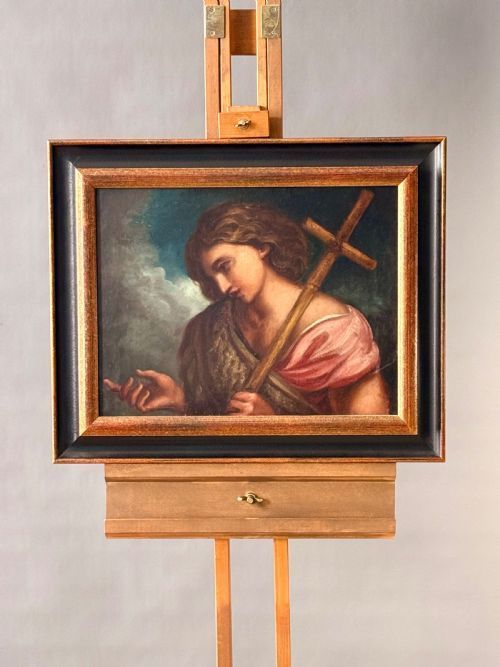
When searching for old master religious art, collectors seek historical paintings and prints depicting sacred narratives, saints and holy figures. These works span centuries of European craftsmanship, capturing profound spiritual themes through classical portraiture and dramatic scriptural scenes.
The pieces most commonly met on this page originate from Italian, Spanish and European schools spanning the sixteenth through the eighteenth centuries. They include both original devotional oils and period watercolours, pastels or engravings produced after major Renaissance and Baroque masters.
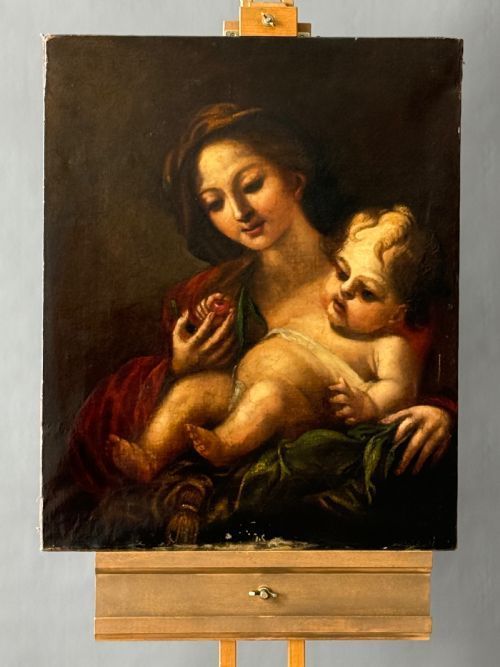
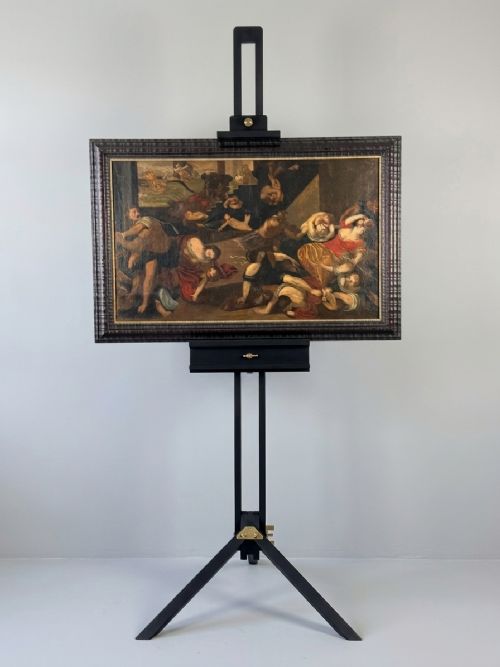
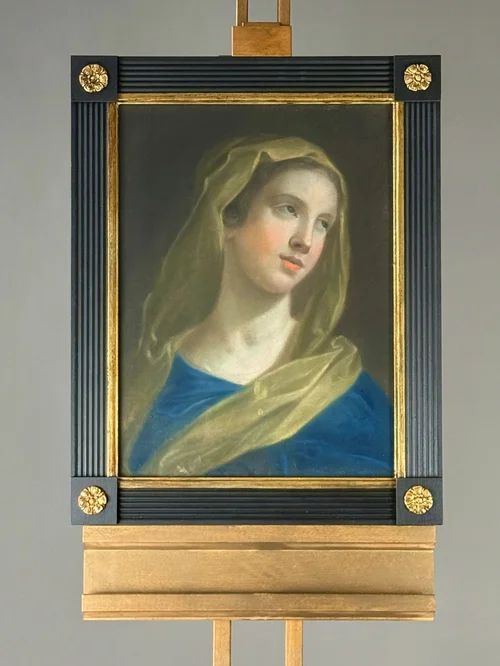
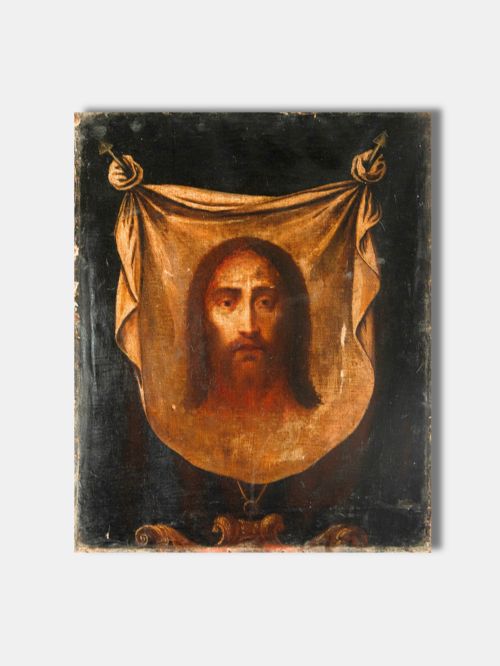
Subjects range widely from intimate depictions of the Madonna and Child to grand historical canvases such as the Massacre of the Innocents or the Conversion of Saint Paul. Buyers encounter both primary studio works and later regional interpretations that echo the style of celebrated artists.
Materials and techniques
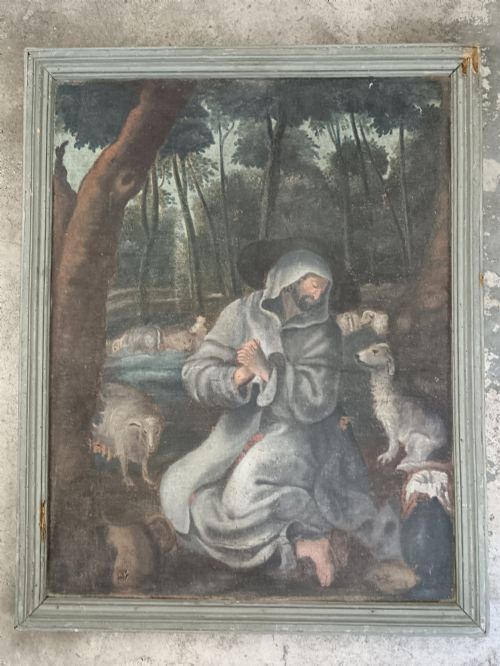
The primary substrate for these works is oil paint applied to stretched canvas or wooden panels such as fruitwood. Artists also utilised pastel, watercolour and ink on paper for detailed studies and prints.
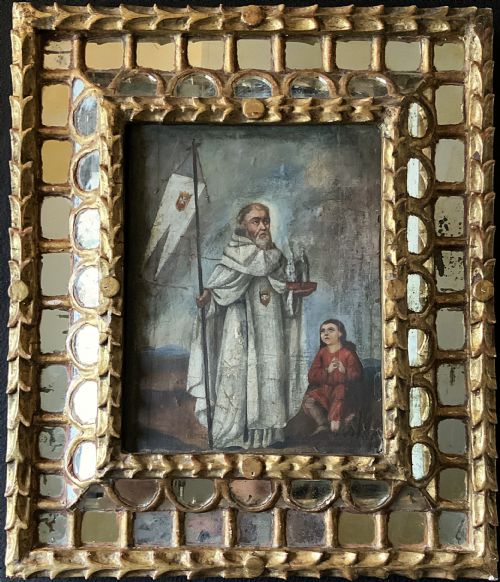
Many surviving paintings retain their period giltwood frames, which contribute structurally and aesthetically to the presentation of the art. Ground layers and traditional pigments create the rich tonality characteristic of European workshop practices.
Saint Jerome appears frequently accompanied by his faithful lion companion.
Markers of quality
Quality in these works rests upon the confidence of the brushwork, the depth of anatomical understanding and the expressive power of the figures. Stronger pieces display subtle handling of light and shadow, particularly in flesh tones and drapery.
The distinction between a prime studio production and a later regional copy lies in the vitality of the execution and the preservation of the surface. Visible pentimenti, where the artist altered composition lines during painting, often indicate an authentic evolving work rather than a mechanical reproduction.
Benedetto Luti·Bernardino Luini·Francesco Solimena·Correggio·Benvenuto Tisi·Girolamo Dai Libri·G.F. Penni·Gian Lorenzo Bertolotto·Guido Reni·Antonio Tempesta·Pietro D'asaro·Pompeo Batoni·Murillo·Adriaen Van der Werff·Giovanni Ottaviani
The Old Master Religious Art Glossary
- Pentimento
- An alteration in a painting evidenced by visible traces of previous work beneath the current surface layer. This demonstrates the artist's changing composition during the creative process.
- Giltwood
- Wood that has been coated with gold leaf or metal powder. It frames many historical paintings from the Baroque and Renaissance periods.
- School
- A group of artists working in a particular region and style during a shared historical period. This term often indicates followers or workshop members of a master.
- Engraving
- A printmaking technique where an image is incised into a metal plate, holding ink to transfer fine lines to paper. These were frequently used to disseminate famous religious compositions.
- Baroque
- An artistic style prevalent from the late sixteenth through the eighteenth century, characterised by dramatic movement, deep shadow and intense emotional expression.
Old Master Religious Art: Frequently Asked Questions
What is an old master painting?
An old master painting is a work produced by a European artist of high skill before approximately eighteen hundred. These pieces typically reflect the stylistic traditions of periods such as the Renaissance and Baroque.
Such works range from large altarpieces and historical narratives to smaller devotional panels created for private prayer. They form the foundation of historical European fine art.
How can I tell a painting's period?
Dating relies upon analysing canvas preparation, pigment composition, framing styles and stylistic markers specific to regional schools. Brushwork techniques also change noticeably between the sixteenth and eighteenth centuries.
Examinations often reveal clues in the stretcher bars, nails and panel construction. Comparing the handling of light to documented works provides further chronological context.
What does after a master mean?
The phrase indicates that a later artist painted a composition based upon an original work by a celebrated master. These were often produced as study pieces or to meet demand for popular sacred imagery.
Such works hold their own historical interest and skill level, frequently dating from the same century or shortly after the original creation.
How do I care for old canvas art?
Old canvas paintings require stable environmental conditions with moderate humidity and temperature to prevent cracking of the oil paint layer. Direct sunlight and heat sources should be avoided to protect the pigments.
Dusting should be done gently with a soft, dry brush by someone experienced in handling antique art. Professional conservation is recommended for any cleaning or structural repairs.