



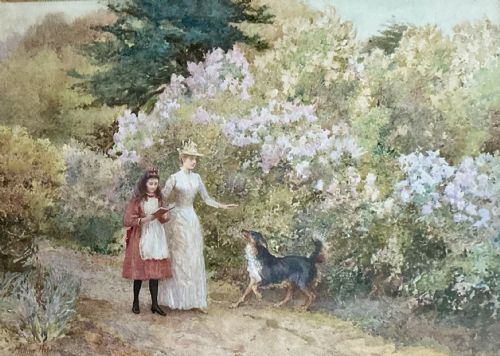


Green Landscape Print
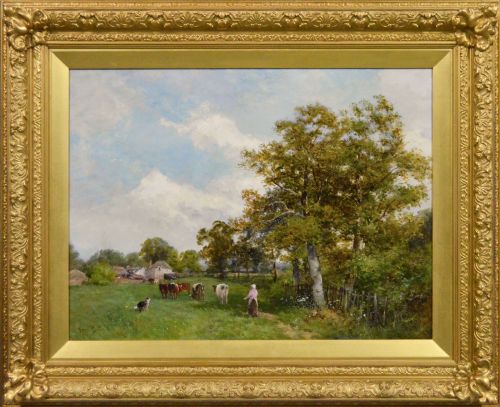
A green landscape print brings the quiet of the countryside indoors through enduring pastoral imagery.
Green Landscape Print
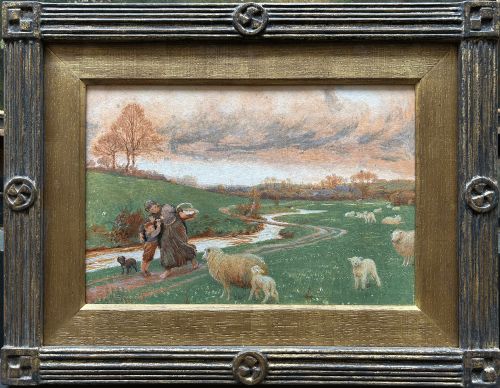
When you search for a green landscape print, you are looking at works capturing natural scenery, foliage and rural vistas dominated by green tones. The selection spans watercolours, oil paintings, woodblock prints and lithographs, reaching from the Georgian era through the Victorian period and into the mid-twentieth century.
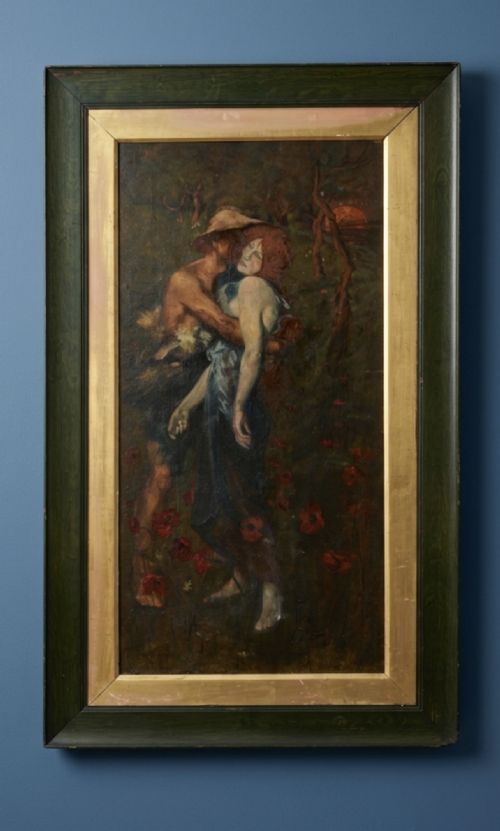
The version most likely to meet you on this page is a framed nineteenth or early twentieth-century work on paper or canvas. These pieces range from detailed pastoral watercolours to textured prints after earlier masters, often housed in period wooden frames.
Makers and artists represented across the centuries include named painters alongside anonymous printmakers. Their subjects stretch from British river valleys and lake districts to idealised woodland scenes.
How they were made
These works rely on traditional graphic and painting techniques, using paper, canvas and wood as a base. Artists and printmakers applied oil paint, watercolour, ink and coloured lithography to capture the nuances of natural scenery.
Many historical prints utilise engraved plates or woodblocks combined with hand-colouring. Framing often involves carved wood, sometimes accented with gold leaf or gilt to finish the piece.
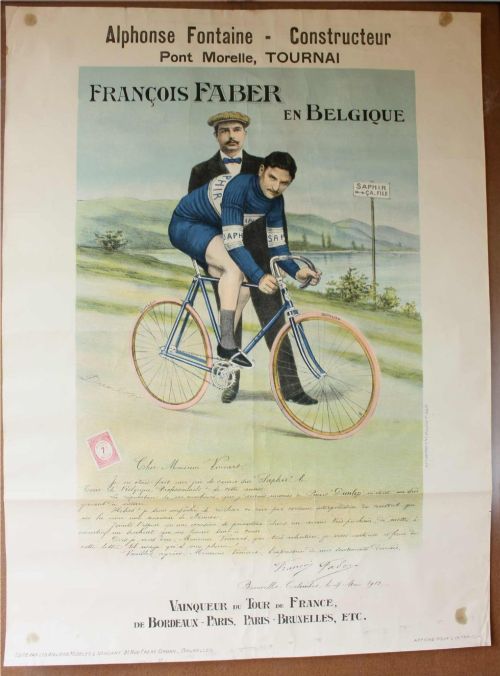
Among the rural scenes, a cycling poster featuring Dunlop bike tyres brings an unexpected burst of French racing history to the green landscape.
What varies in quality
Quality rests upon the skill of the original hand, the crispness of the printing medium and the preservation of the pigments. An oil painting on canvas displays depth through layered brushwork, whereas a fine print shows clean registration and deliberate ink application.
The harmony of the composition and the integrity of the materials dictate the standing of a piece. Original watercolours and oil paintings command attention through individual touch, while massed prints rely on the fidelity of their reproduction.
Alfred Young Nutt·David Bates·Francois Faber·Frederick Walker·Margaret Maitland Howard·Gabriel Dauchot·Arthur Hopkins·Kunisada·T.M Baynes·Joseph Farrington·Joseph Constantime Stadler·John Atkinson·Joseph Kirkpatrick·Herbert Royle·Henry Birtles·George Morland·W Ward·H. Alken·William Mellor·Lilian Stannard
The Green Landscape Print Glossary
- Lithography
- A planographic printing process using a flat stone or metal plate on which image areas are greasy and non-image areas ink-repellent. This technique allowed for the mass production of multi-coloured illustrations.
- Aquatint
- An intaglio printmaking technique that produces tonal areas resembling watercolour washes. Copper plates are dusted with resin and etched to hold ink.
- Collotype
- A planographic photomechanical printing process used to produce high-detail photographic reproductions without a visible screen pattern. It creates subtle gradations of tone.
- Woodblock
- A relief printing technique where an image is carved into a block of wood, with the raised areas taking the ink. It is central to traditional Japanese ukiyo-e printing.
- Mezzotint
- A printmaking method of the intaglio family where the plate is roughened uniformly to produce dark tones, then scraped to create highlights. It yields rich, velvety darks.
Green Landscape Print: Frequently Asked Questions
How do I hang a framed print safely?
Use picture hooks rated for the weight of the frame and secure them firmly into wall studs or proper wall anchors. Ensure the hanging wire or brackets on the back are tight and evenly balanced.
Keep the piece away from direct sunlight and damp walls to protect the paper, canvas and wooden frame from environmental damage over time.
How should I clean an antique glass frame?
Apply a mild glass cleaner to a soft cloth rather than directly onto the frame, preventing liquid from seeping beneath the glass edge. Wipe the surface gently to remove dust and fingerprints.
Take care not to let moisture touch the paper, canvas or wooden moulding surrounding the print.
What is the difference between a painting and a print?
A painting is a unique, direct application of pigment onto a support like canvas or paper by an artist's hand. Brush texture and paint layering are visible on close inspection.
A print is a mechanical or manual reproduction of an image, created through methods such as lithography, engraving or woodblock printing, which can exist in multiple impressions.
How do I identify the age of a frame?
Examine the construction methods visible on the reverse, such as hand-cut mitres, old fixings and the type of wood used. Older frames often feature pegged corners, oxidation on the metal fixings and aged gilding.
Backing papers and labels also offer clues regarding the workshop or retailer associated with the piece.