


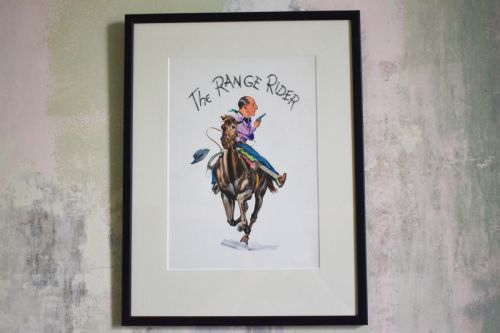
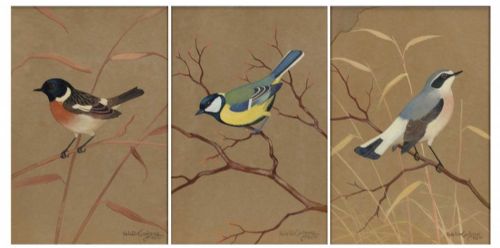


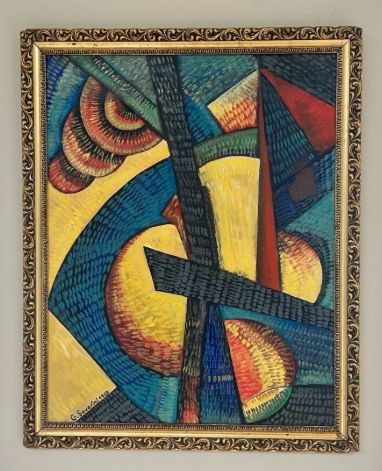
Mid Century Framed Print
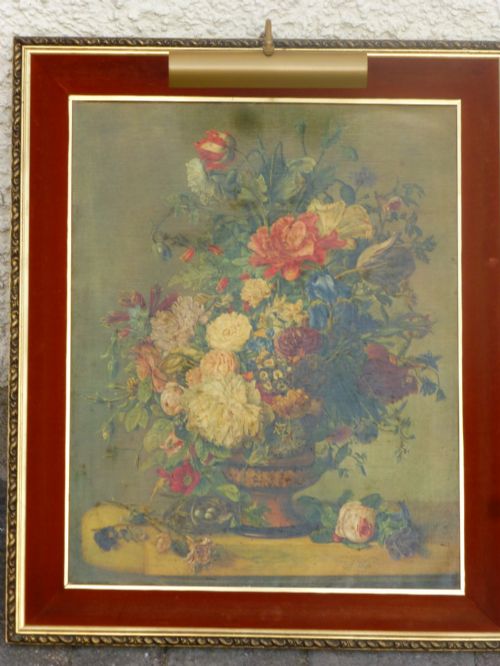
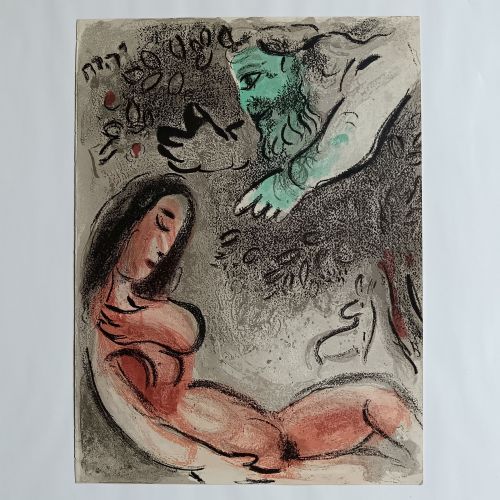
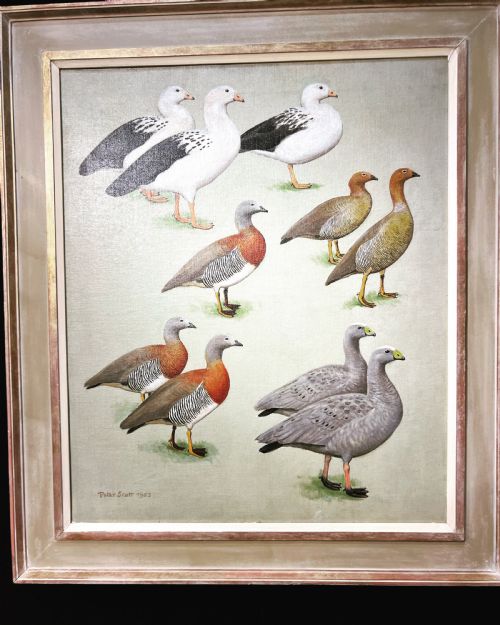
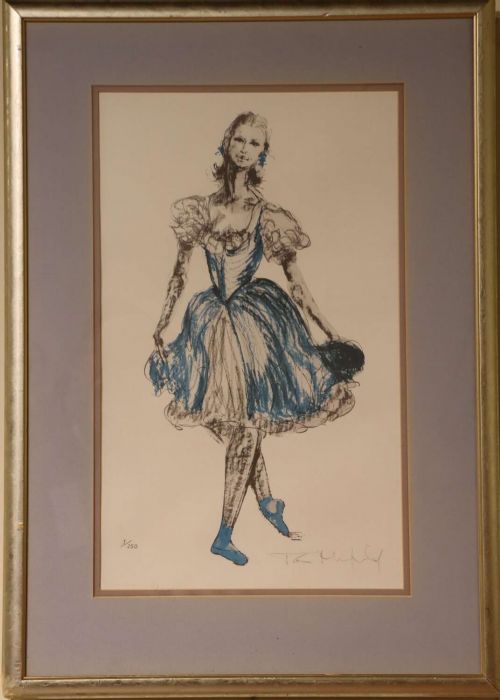
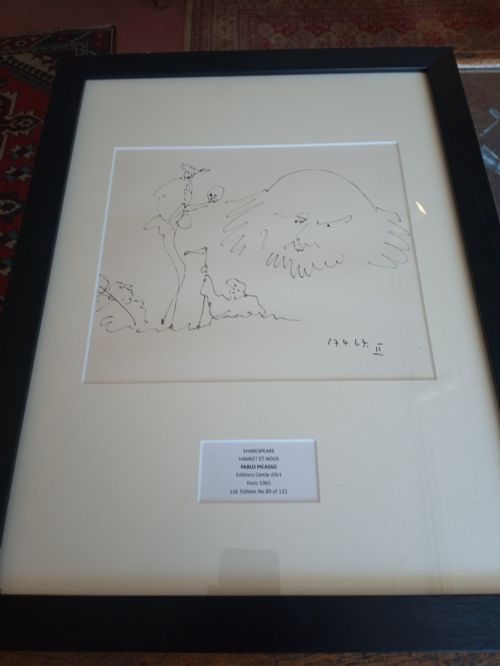
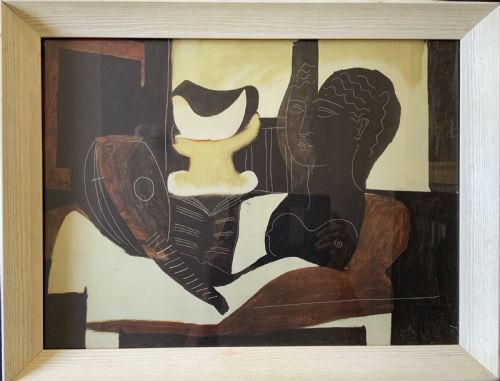
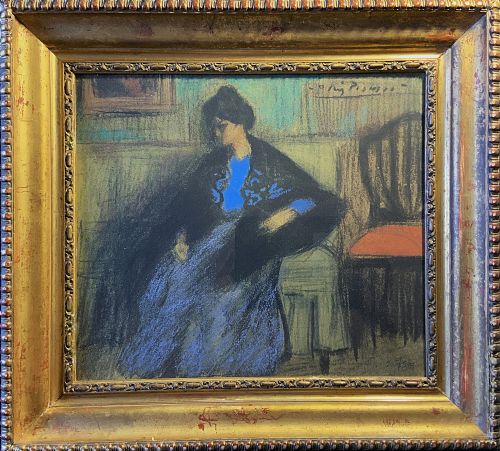
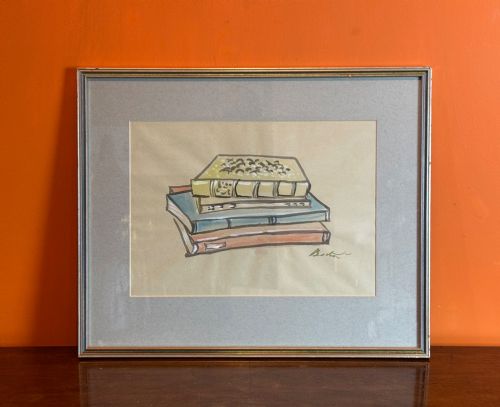
When you search for a mid century framed print, you encounter mid-century wall art, lithographs, and paintings housed behind glass within wooden frames.
Mid Century Framed Print
A mid century framed print typically encompasses mid-century modern, modernism, and traditional realism styles produced across the 1930s to the 1960s, alongside earlier historical maps and theatrical prints. These works span wall art, framed artwork, and specific media prints that bring period graphics into domestic interiors.
The assortment on this page leans heavily toward mid-twentieth-century productions, notably lithographs, offset prints, and oil-embellished textured prints on board dating from the 1950s and 1960s. Alongside these, buyers find vintage posters, watercolours, and mixed media works capturing subjects from aviation to animal portraiture.
How they were made
Makers utilised paper, canvas, and board as the primary supports for imagery, applying oil paint, watercolour, gouache, and ink alongside lithographic and printing techniques. Many items combine printed bases with hand-applied texture or over-painting in oil to emulate original brushwork.
Enclosing frames predominantly utilise wood and glass to protect the delicate paper or canvas surfaces from environmental degradation. Glazing shields watercolours and lithographs from atmospheric moisture while timber mouldings provide structural support.
Cats appear frequently in mid-century compositions, supervising kitchens and striking stylish poses in pastel.
What varies in quality
The fidelity of the printing process and the presence of artist signatures or limited edition numbering distinguish standard decorative reproductions from collectible prints. Works pulled directly on lithographic presses by recognised printers display sharper contrasts and richer ink saturation than generic commercial prints.
The original framing and the preservation condition of the underlying paper or canvas dictate the overall integrity of the piece. Clean margins on paper prints, stable pigment adhesion without flaking, and period-appropriate wood frames elevate the standard of an artwork.
Donald Grant·Marc Chagall·Pablo Picasso·Erich Mercker·Cecil Beaton·Ralston Gudgeon·John Rattenbury Skeaping·David Shepherd·Gabriel Dauchot·Gino Severini·Charles F. Tunnicliffe·Terence Loudon·William Russell Flint·Eman Bowen·W. Edward Grey·Markey Robinson·Jas Wyld·Jean Cuny·Deidre Borlase
The Mid Century Framed Print Glossary
- Lithograph
- A print made by drawing an image on limestone or a metal plate with a greasy medium, then applying ink to adhere only to the drawn areas. This planographic method allows for wide reproduction of painterly marks.
- Gouache
- An opaque water-based paint composed of pigment, water, and a binding agent such as gum arabic, often featuring added white filler. It yields a flat, matte surface finish distinct from transparent watercolour.
- Pochoir
- A stencil-based printing process used to apply vibrant colours by hand through cut metal or card plates. It produces sharp edges and saturated hues common in mid-century French illustration.
- Etching
- A printmaking technique where lines are incised into a metal plate through a protective wax coating using acid. Ink settles into these bitten grooves before being pressed onto damp paper.
Mid Century Framed Print: Frequently Asked Questions
How do I identify a mid century framed print?
Look for stylistic cues such as abstract compositions, modernist typography, or mid-century colour palettes typical of the 1950s and 1960s. The paper stock, printing dot patterns, and framing materials also offer clues to the era of production.
Many pieces bear pencil signatures, printer credits, or gallery stamps from establishments active during the mid-twentieth century. Examining the backing paper and fixings can further confirm whether the framing is period-original.
Are these prints originals or reproductions?
The selection includes both original hand-produced works on paper or canvas and original limited edition prints pulled from lithographic stones or plates by the artist or master printers. Some items are vintage photographic reproductions or textured prints issued by period galleries.
Checking the listings for terms like lithograph, etching, or oil painting clarifies the medium. Limited edition numbering or pencil signatures usually indicate an authentic print run supervised by the creator.
How should I hang and light framed artwork?
Hang your framed art at eye level on a wall protected from direct sunlight to prevent fading of sensitive watercolours and printed inks. Maintain stable room temperatures to safeguard both the wooden frames and the paper supports.
Utilise gentle, indirect LED lighting to illuminate the surface without generating damaging heat. Ensure secure picture hooks are anchored correctly into the wall to support the weight of glass and timber mouldings.
Can I remove the print from its frame?
Removing vintage artwork from its frame is generally discouraged because original backing boards, acidic mounts, and old glazing often protect the piece in its historical context. Altering these elements can inadvertently expose fragile paper or canvas to atmospheric damage.
If reframing is necessary for conservation reasons, consult a professional framer to use acid-free materials. Preserving the original framing package often maintains the historical integrity and character of the object.