


Neoclassical Copperplate Print
These neoclassical copperplate print works bring ancient architecture and classical mythology into interiors with precise 18th-century ink on paper.
Neoclassical Copperplate Print
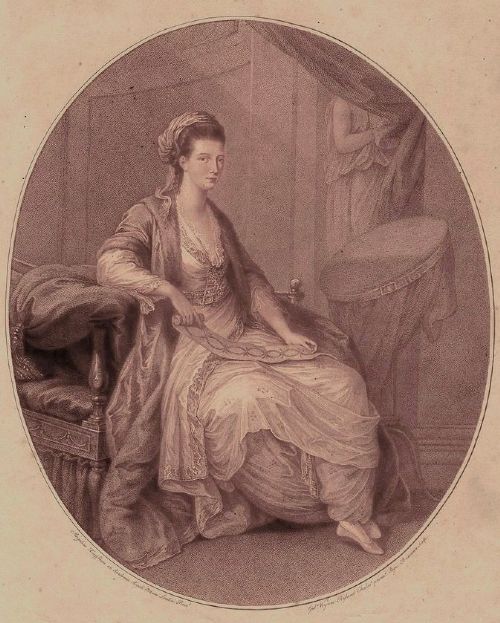
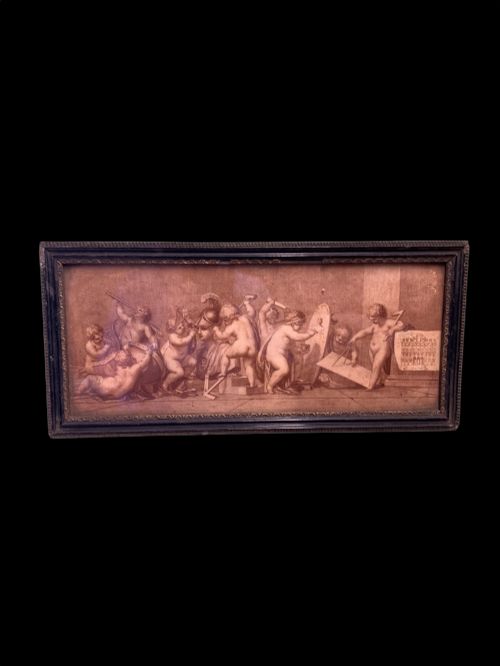
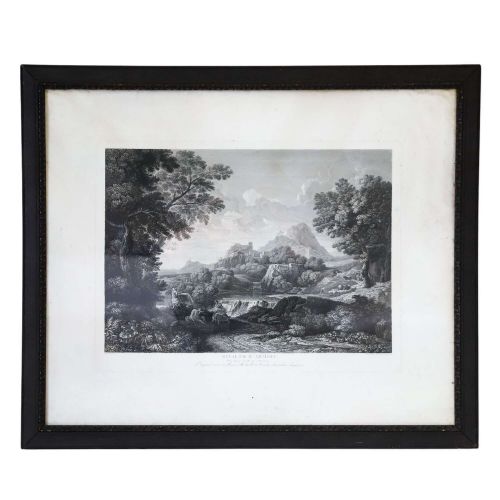
When you search for a neoclassical copperplate print, you encounter detailed paper works recording classical antiquity, Greek gods, and Roman statues. These pieces derive predominantly from the 18th century and Georgian periods, capturing architectural ruins and mythological scenes.
The most common formats on this page are architectural prints and framed engravings. Many plates originate from major classical surveys such as the antiquities of Athens and the Vatican loggie.
Subjects range from individual portraits and cupids to large temple elevations and friezes. They offer a window into Grand Tour collecting habits and 18th-century classical revival taste.
Materials and Techniques
Makers produced these works by incising designs into copper plates using sharp burins or acid etching. Workers then applied dark ink to the metal plate and transferred the image onto laid paper under high pressure.
Finished plates often received supplementary framing in wood, sometimes enhanced with gold leaf and glass to protect the fragile paper surface. The combination of black or sepia ink on cream paper defines the visual character of the medium.
Current listings span the 18th and 19th centuries, utilising paper, ink, wood, glass, and gold leaf.
Evaluating Quality
The distinction between tiers rests upon the crispness of the impression and the depth of the plate mark. Early impressions from fresh copper plates retain fine lines and subtle shading that later printings lose.
The significance of the engraver and the draughtsman dictates standing. Plates executed by notable printmakers after celebrated classical sources command greater attention from collectors.
Simon François Ravenet·Alessandro Mocchetti·Francesco Piranesi·James Basire·Edward Rooker·Giovanni Ottaviani
The Neoclassical Copperplate Print Glossary
- Copperplate
- A flat sheet of polished copper used to engrave lines for printing. Artisans cut directly into the metal using specialised steel tools.
- Engraving
- A printmaking technique where an image is incised into a hard surface. The resulting grooves hold the ink for transfer to paper.
- Plate mark
- The indentation left on paper by the edge of the copper plate under printing pressure. This physical border confirms an authentic intaglio print.
- Grand Tour
- A traditional trip through Europe undertaken by upper-class young men for educational purposes. Travellers frequently acquired architectural prints as souvenirs of classical sites.
- Intaglio
- A family of printmaking methods where the image is cut below the surface of the plate. Ink settles in the recessed channels rather than on the raised areas.
Neoclassical Copperplate Print: Frequently Asked Questions
How are these prints framed?
Many examples are mounted behind glass within wooden frames that complement the classical subject matter. Gilt or simple moulding finishes protect the paper from dust and environmental damage.
Original or period frames add context to the artwork, though preservation standards often require acid-free backing boards during modern conservation.
What subjects appear most often?
The inventory focuses heavily on architectural elevations, temple ruins, and mythological figures from Greece and Rome. Plates document ancient structures in Athens alongside decorative schemes from Vatican spaces.
Individual portraits and allegorical scenes also feature regularly, reflecting the neoclassical enthusiasm for antique sculpture and heroic narratives.
How do I date an engraving?
Dating relies on publication details printed in the margins, stylistic clues, and watermark evidence within the paper itself. 18th-century plates often credit the original draughtsman and the executing engraver beneath the image area.
Georgian and neoclassical stylistic markers help narrow the period when marginal text is missing or trimmed.
Where were these prints published?
Publishers issued these works primarily in London, Paris, and Rome as plates for bound folio volumes documenting classical antiquities. Travellers and scholars purchased these series to study foreign architecture and ancient art.
Individual sheets were frequently separated from their original bindings over the centuries to be framed and displayed individually.