




Antique Italian Print
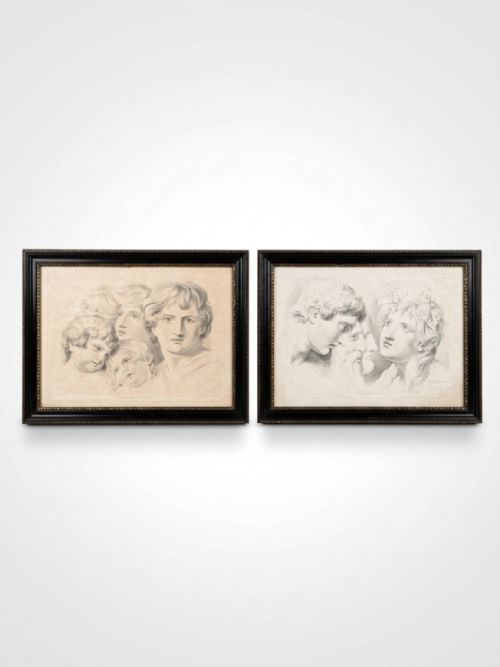
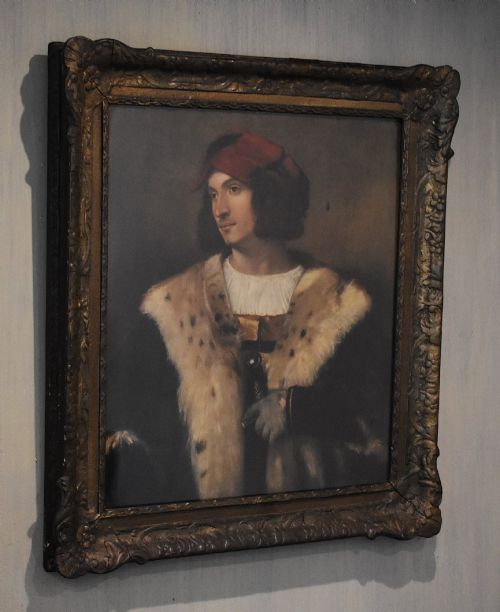
These antique italian print pieces bring classical architecture, religious masters and Venetian scenes straight to your walls.
Antique Italian Print
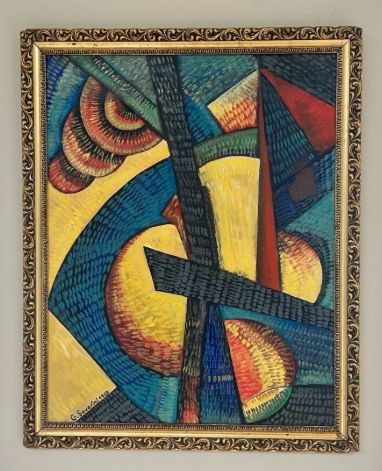
When you search for an antique italian print, you encounter a varied selection of works spanning several centuries, capturing landscapes, classical motifs and architectural studies.
The objects on this page range from copper engravings and chromolithographs to region maps and watercolours framed in wood and glass.
Dated examples stretch from the seventeenth century through the Georgian and Edwardian eras up to the mid-twentieth century, reflecting diverse periods of European craftsmanship.
Materials and Techniques
Works are produced using ink on paper, sometimes enhanced with watercolour or gold leaf.
Framing materials include wood, gilded wood and glass, which protect the delicate paper surfaces of engravings and prints.
Techniques visible across the collection involve copper engraving, etching, chromolithography and hand colouring.
Styles represented include Neoclassical, Renaissance Revival, Georgian, Edwardian, Mid-Century Modern and the Italian School.
Assessing Quality and Execution
The distinction between tiers of work lies in the sharpness of the plate impression and the precision of the engraving or watercolour brushwork.
Finer pieces exhibit masterly draughtsmanship after renowned artists, while standard items display simpler decorative qualities.
The integrity of the original paper combined with the quality of the period framing elevates the overall presence of the piece.
Alessandro Mocchetti·Giovanni Ottaviani·Francesco Piranesi·Carlo Ferranti·Thomas Ellison
The Antique Italian Print Glossary
- Copper engraving
- A printmaking technique where an image is incised into a copper plate with a burin. Ink is applied to the plate and transferred under pressure to paper.
- Chromolithography
- A planographic colour printing process that uses multiple lithographic stones, one for each colour, to build a vibrant multi-hued image.
- Etching
- A method where lines are bitten into a metal plate with acid before ink is applied for printing. This technique allows for fine, fluid lines.
- Watercolour
- A painting method where water-soluble pigments are suspended in a water-based solution on paper. It provides transparent washes of colour.
- Cartography
- The study and practice of making maps. Antique examples often feature decorative borders and hand-coloured regional details.
Antique Italian Print: Frequently Asked Questions
What periods do these prints cover?
The collection spans multiple centuries, incorporating seventeenth-century engravings, eighteenth-century Vatican loggie plates and nineteenth-century classical views.
Later pieces include Edwardian watercolours and items from the nineteen-forties and nineteen-fifties, showing sustained appreciation for Italian subjects.
How were these artworks framed?
Many examples are presented in wood, gilded wood or glazed frames designed to preserve the paper and ink.
Original glazing and frames contribute to the historical context of each wall art piece.
Are these works hand-coloured?
Several listed engravings feature hand-applied colour over printed lines, particularly architectural scenes and regional maps.
Others rely purely on monochrome ink impression or later chromolithographic colour separation.
What subjects appear most frequently?
Common subjects include architectural scenes, Neoclassical compositions, religious themes after old masters and Venetian landmarks.
Cartography and regional maps of Italy also feature alongside botanical still life and figurative watercolours.