


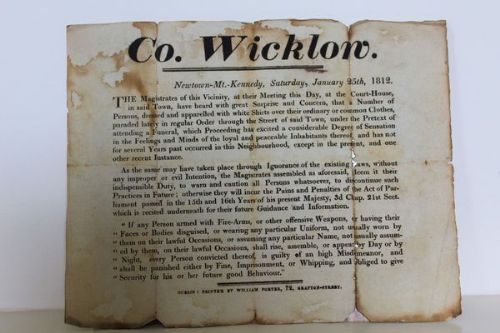

Georgian Era Print
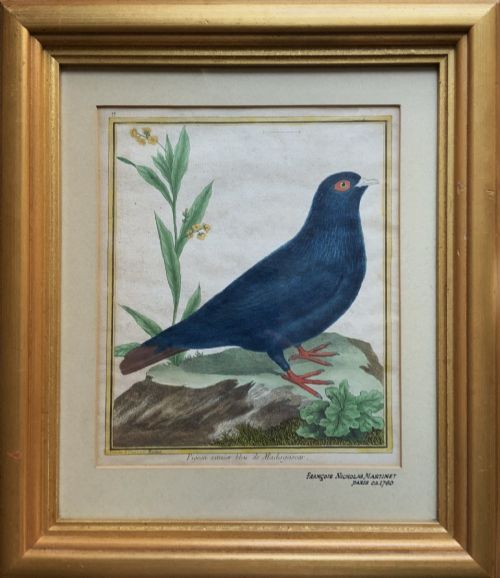
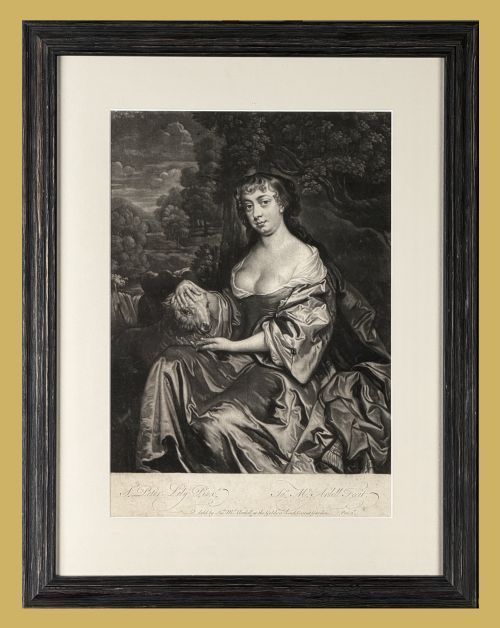
These georgian era print examples bring period wall art into a room through engraved portraits, maps and hand-coloured botanical plates.
Georgian Era Print
When you search for a georgian era print, you encounter framed works spanning the eighteenth and nineteenth centuries, alongside related pieces extending into later decades. The selection encompasses framed art, portrait paintings, wall art, and historical documents.
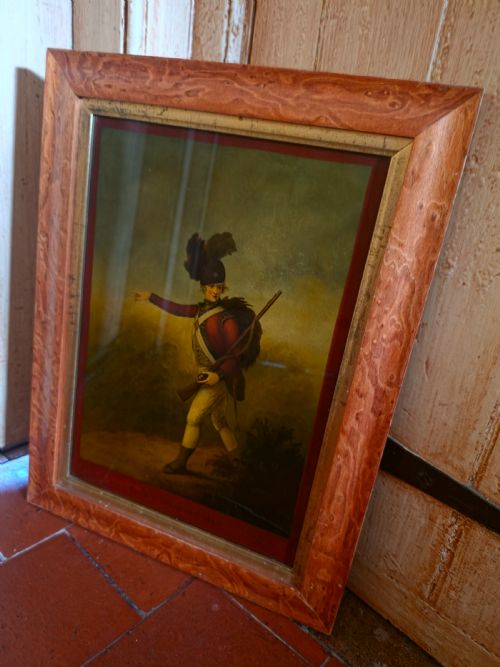
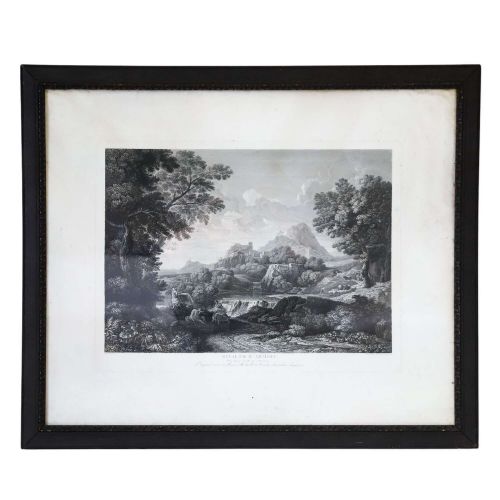
The objects take several forms, including copperplate engravings, mezzotint portraits, reverse glass pictures, and antique cartography. Many arrive in period frames, preserving the original presentation of the artwork.
Materials and techniques
The pieces rely primarily on paper, ink, and watercolour, with hand-colouring applied to certain engraved and etched plates. Wood and giltwood construct the frames that house these works.
Specialised techniques include mezzotint printing, reverse glass painting, and copperplate engraving. Metal embellishments sometimes appear on specific portrait prints.
Variations in quality
Quality rests upon the clarity of the plate impression and the precision of any hand-applied watercolour. Early impressions retain crisp lines where later pulls lose definition.
The survival of original framing elements, such as period giltwood frames and glass panels, distinguishes works preserved intact from those altered later.
François-Nicolas Martinet·James MacArdell·Sir Peter Lely·Sir Joshua Reynolds·Riepenhausen·J. Mitan
The Georgian Era Print Glossary
- Mezzotint
- A printmaking process of the intaglio family where the plate is roughened to produce tones and rich darks. This technique allows for subtle gradations of light and shade.
- Copperplate engraving
- A method where an image is incised into a copper sheet using a sharp tool called a burin. Ink is then pressed into the grooves to create the printed impression.
- Reverse glass painting
- An artwork created by applying pigment and gold leaf directly onto the back of a glass panel. When viewed from the front, the image gains depth and gloss.
- Cartography
- The study and practice of making maps, represented here by antique plans and geographical charts. These decorative sheets record historical borders and place names.
Georgian Era Print: Frequently Asked Questions
How are these framed prints dated?
Dating relies on stylistic clues within the imagery, sitter attributions, and published dates on the plates themselves. Engravings often carry the publication year of the original print run.
Frame construction and materials also provide evidence, as original giltwood and timber surrounds correspond to specific periods of manufacture.
What subjects appear in these prints?
The subjects range from portraits of nobility and literary figures to architectural studies, maps, and satirical social scenes. Natural history subjects, such as bird engravings and anatomical illustrations, also feature strongly.
Historical documents and classical deities complete the range of imagery found across the eighteenth and nineteenth century selections.
How should I hang antique wall art?
Antique framed art requires stable interior walls away from direct sunlight and excessive moisture to protect the paper and ink. Secure fixings suited to the weight of timber and giltwood frames are essential.
Maintaining a consistent room temperature helps prevent warping in older wooden frames and protects fragile paper supports.
Are these works in original frames?
Many pieces retain their original or period frames, such as early giltwood surrounds or simple wood mouldings. Descriptions note when a frame forms part of the historical presentation.
Retaining the original housing preserves the character of the piece, though mount cards and backings are sometimes updated for conservation reasons.