


Classical Figure Copperplate
These classical figure copperplate engravings and etchings bring mythological scenes, ancient statues and historical portraits straight from the eighteenth century and the Victorian era.
Classical Figure Copperplate
When you search for a classical figure copperplate, you are looking at fine historical prints and engravings featuring subjects from ancient Greece and Rome. These works capture gods, mythological narratives, classical statues and grand architectural antiquities.
The pieces you are most likely to meet on this page hail from the eighteenth century, alongside a selection of Victorian prints. They typically arrive mounted behind glass within wooden, gilt wood or ebonised frames.
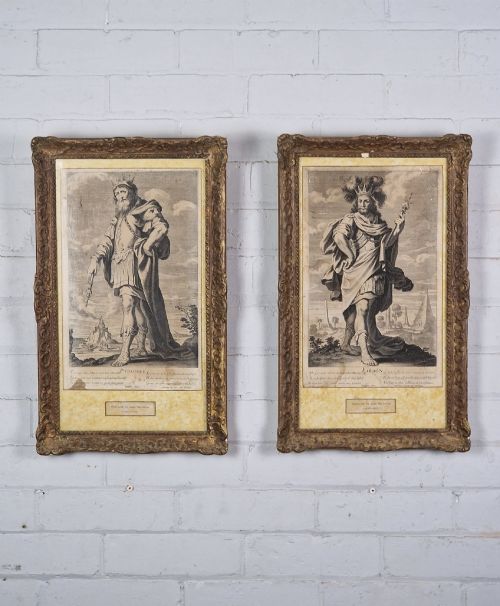
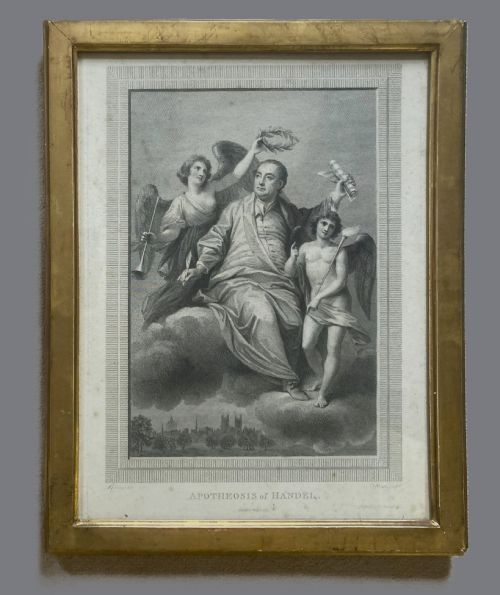
Subjects range from grand allegorical scenes and portraits to archaeological records of Herculaneum and Athens. Each print preserves meticulous detail carved onto copper plates and pressed onto early paper.
Materials and methods of production
These works were produced by incising designs into copper plates using sharp burins or biting lines with acid. Skilled engravers then applied ink to the metal plates and pressed them onto heavy paper under considerable pressure.
Finished prints were frequently framed in timber mouldings finished with gold leaf, gilt wood or ebonised wood. Glazing in glass was used to protect the delicate paper and ink from environmental damage.
Several plates faithfully document ancient plumbing pipes found during excavations in Athens.
Distinguishing quality in copperplate engravings
Quality rests upon the clarity of the line and the precision of the ink impression transferred from the copper plate. Finer examples retain crisp details in drapery, facial expressions and architectural backgrounds without muddy blurring.
The sophistication of the framing materials also elevates a piece, particularly genuine period gilt wood or ebonised surrounds that complement the neoclassical aesthetic.
Edward Fisher·Sir Joshua Reynolds·Jean Mariette·James Heath·Biaggio Rebecca·Simon François Ravenet·James Basire·Edward Rooker
The Classical Figure Copperplate Glossary
- Copperplate
- An intaglio printing technique where lines are cut or etched into a copper sheet to hold ink. This method allows for exceptional fineness in the rendered classical figures.
- Mezzotint
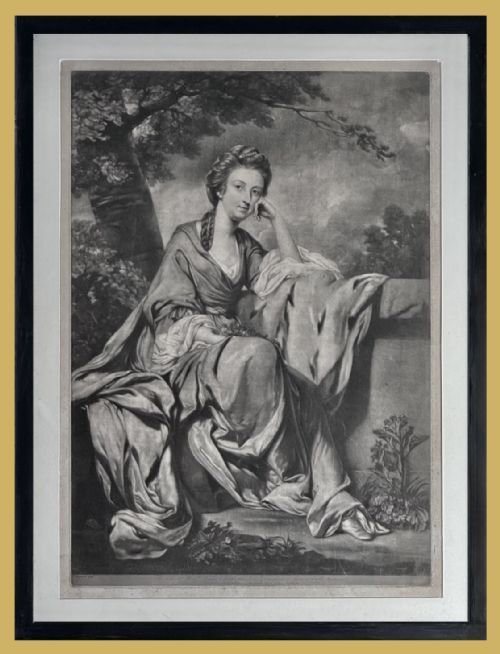
- A printmaking process where the copper plate is roughened to achieve rich tonal gradations and deep shadows. It was widely used for eighteenth century portraits.
- Neoclassical
- An artistic style drawing inspiration from the art and culture of classical antiquity. It dominates the visual language of these prints through restrained compositions and heroic subjects.
- Antiquities
- The remains and classical art of ancient civilisations such as Greece and Rome. Many plates on this page record specific archaeological discoveries from Athens and Herculaneum.
- Ebonised wood
- Timber treated to resemble dark, dense ebony wood. This finish was commonly applied to frames to provide a sharp, contrasting border around the paper print.
Classical Figure Copperplate: Frequently Asked Questions
What is a classical figure copperplate?
A classical figure copperplate is an antique print produced from an engraved metal plate depicting subjects from ancient mythology, statues and historical antiquities.
These works date primarily from the eighteenth century and the Victorian era, offering a direct window into neoclassical art and archaeology.
How were these prints framed originally?
Original framing typically involved timber mouldings finished with gold leaf, gilt wood or ebonised wood to complement the dark ink on paper.
Glass was fitted to protect the delicate paper surface from dust and moisture over the centuries.
What subjects appear on these plates?
Subjects include Greek and Roman gods, mythical creatures, historical portraits and detailed records of ancient Athenian and Herculaneum antiquities.
Artists frequently rendered statues, architectural fragments and grand allegorical narratives with strict neoclassical precision.
How do I care for antique paper prints?
Keep prints away from direct sunlight to prevent the ink from fading and the paper from yellowing over time.
Maintain stable indoor humidity levels and ensure the framing remains properly sealed against dust.