


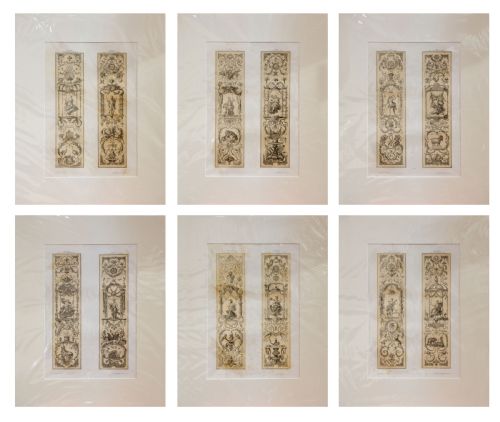


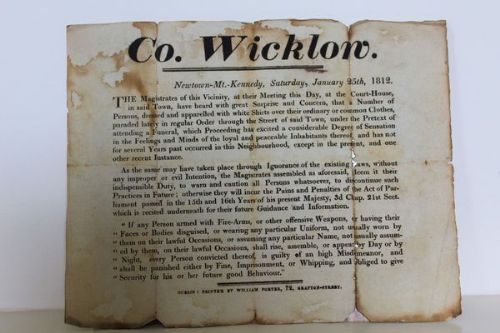
Black Ink Paper Print
A black ink paper print brings tactile graphic depth to a room through genuine period works on paper.
Black Ink Paper Print
A black ink paper print encompasses works on paper ranging from architectural drawings and brass rubbings to fine etchings and landscape watercolours.
Buyers seeking a black ink paper print often encounter pieces from the nineteenth century alongside early twentieth century modernist and realist examples.
The selections span architectural engravings from the eighteenth century to mid twentieth century watercolours, showing considerable variety in subject matter.
Materials and construction
These works rely fundamentally on paper and ink, often mounted within wood frames behind glass for protection.
Printmakers and draughtsmen utilised traditional hand printing and drawing techniques across various periods, from delicate etchings to large scale rubbings.
The listings feature works spanning the eighteenth, nineteenth, and twentieth centuries, using paper, ink, wood, and glass.
Assessing quality and execution
Quality rests upon the precision of the draughtsmanship and the clarity of the printed line, distinguishing accomplished execution from simpler outputs.
The sophistication of the composition and the historical significance of the subject, such as detailed architectural studies or signed artist proofs, elevate certain pieces above others.
Anne Goldthwaite·Herbert Dicksee·H. H Wyatt·Augustus Edwin John·James Dobie·Fred Lawson
The Black Ink Paper Print Glossary
- Etching
- A printmaking technique where lines are incised into a metal plate with acid before ink is applied and transferred to paper.
- Engraving
- A method of cutting design lines directly into a hard plate to produce sharp impressions on paper.
- Lithography
- A planographic printing process using stone or metal plates based on the antipathy of oil and water.
- Watercolour
- A paint medium consisting of coloured pigments suspended in a water soluble vehicle, applied here to paper supports.
Black Ink Paper Print: Frequently Asked Questions
How should I frame a paper print?
Ensure the piece sits behind glass with adequate spacing between the paper and the glazing to prevent moisture damage. Acid free mounting materials help preserve the integrity of older paper over time.
Keep such works away from direct sunlight to avoid fading the ink and degrading the paper fibre during long term display.
How do I identify a genuine etching?
Examine the surface under magnification to look for a distinct plate mark where the edges of the metal plate pressed into the damp paper during printing.
Hand pulled impressions typically show slight ink burrs along the incised lines, differing from the flat dot patterns found in modern mechanical reproductions.
Can I hang drawings in bright rooms?
Works on paper remain sensitive to ultraviolet light and excessive illumination, which causes both the paper support and the black ink to discolour gradually.
Position these pieces on interior walls away from direct sunlight or utilise specialised UV filtering glass if placement in a bright room proves unavoidable.
What defines an architectural engraving?
These detailed plates document classical buildings, ruins, and grand tour subjects with precise linear accuracy intended for study or reference.
Produced often in sets, they reflect the educational and aesthetic interests of eighteenth and nineteenth century collectors and institutions.