
Antique Classical Engraving
An antique classical engraving brings mythological scenes and historical architecture into modern rooms through delicate ink lines on aged paper.
Antique Classical Engraving
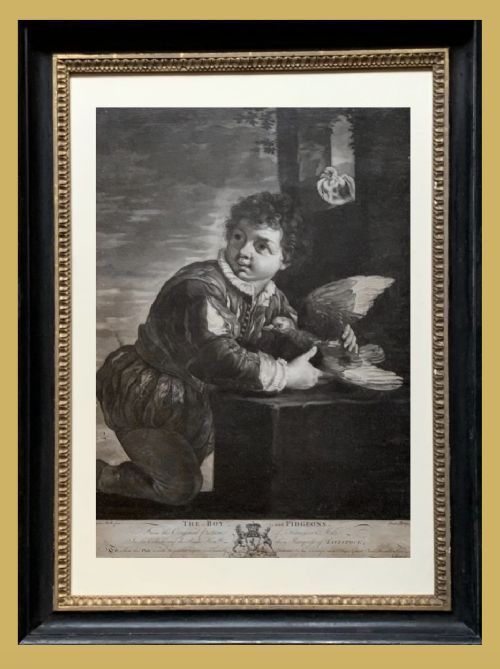
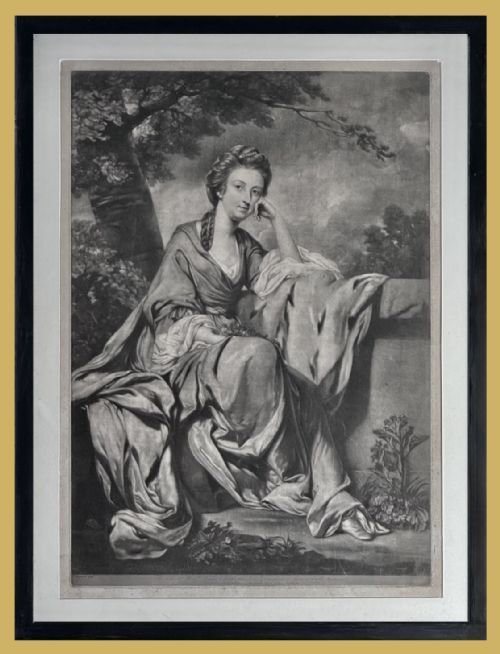
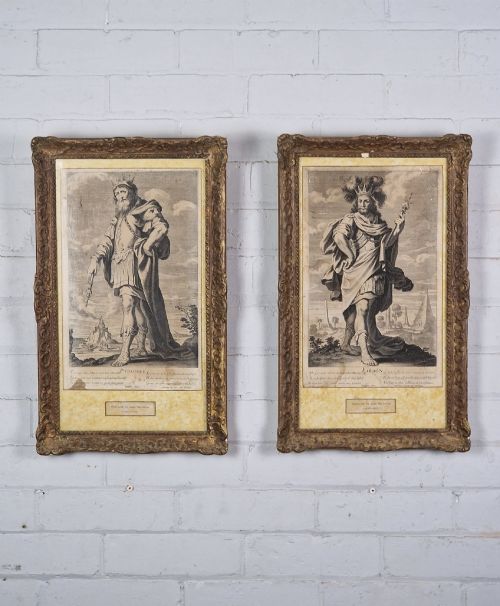
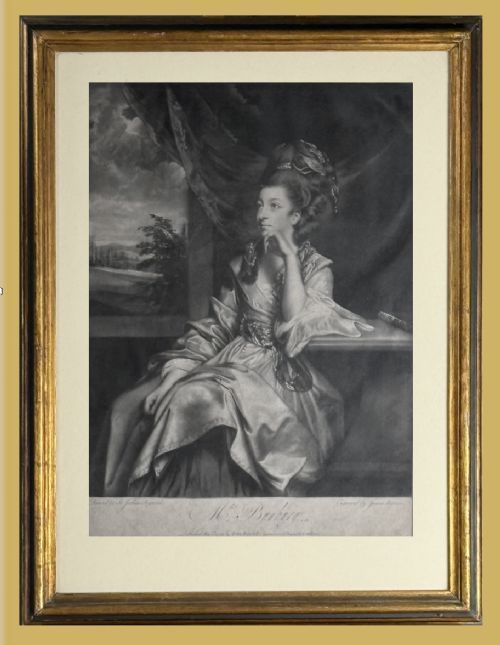
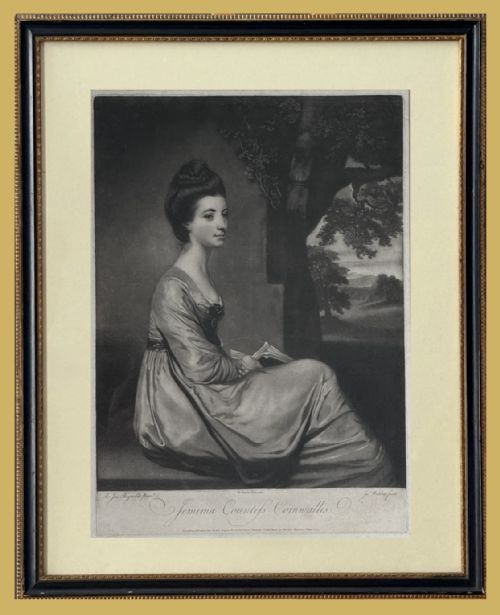
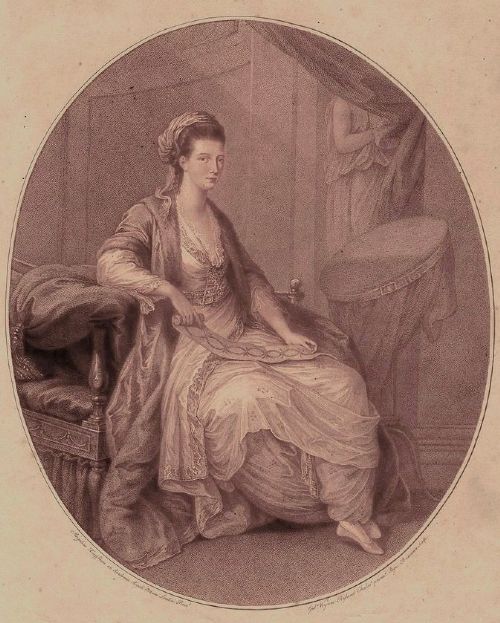
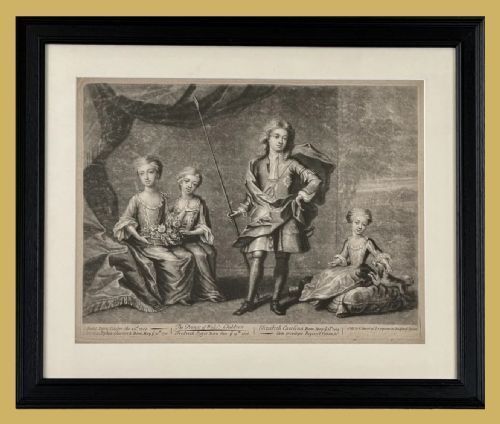
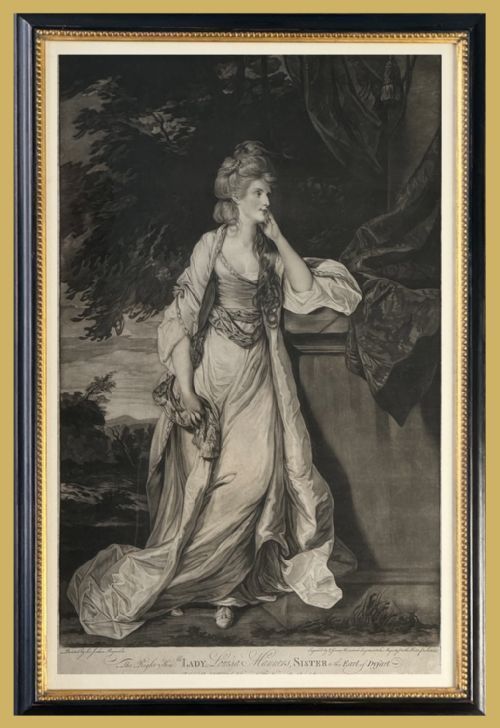
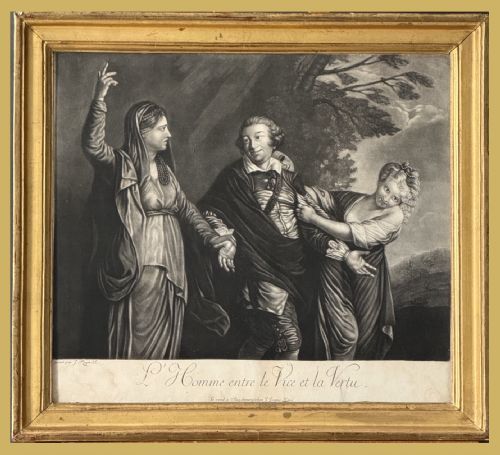
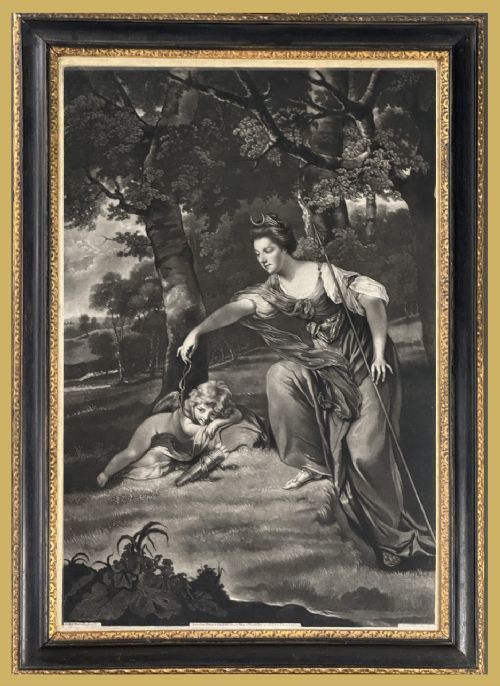
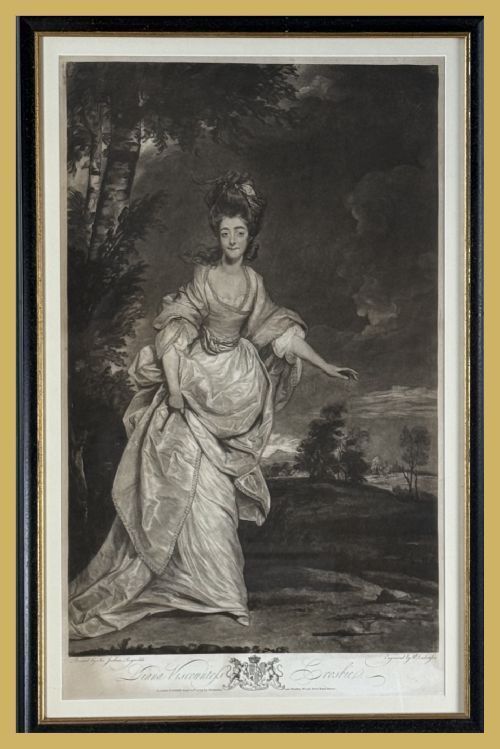
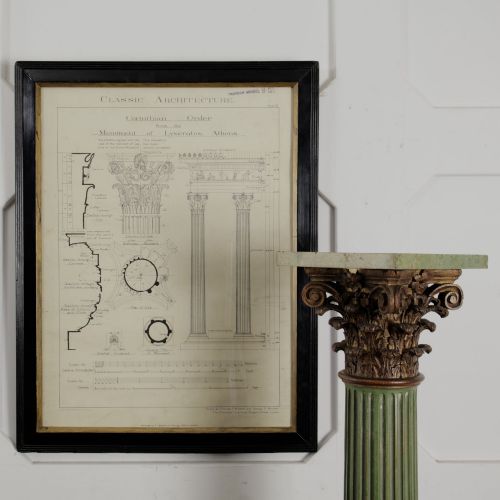
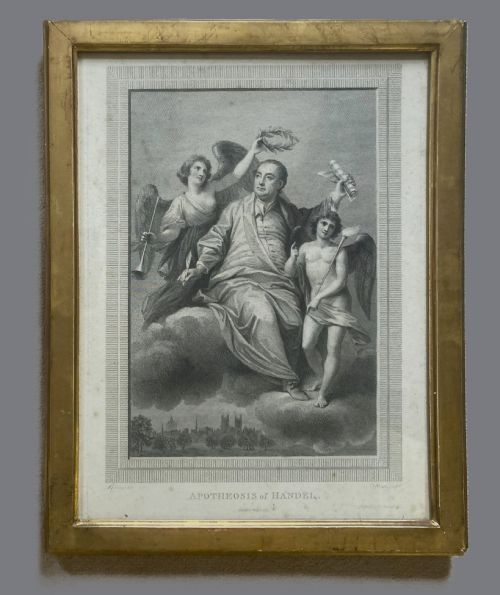
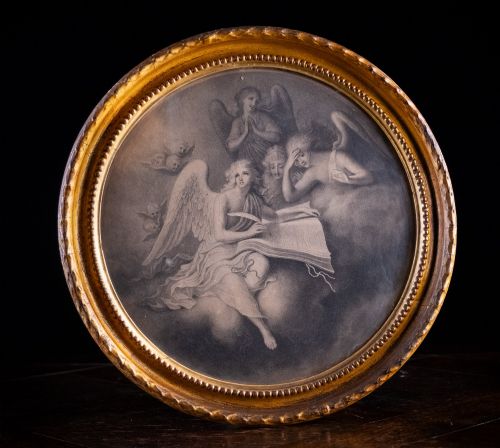
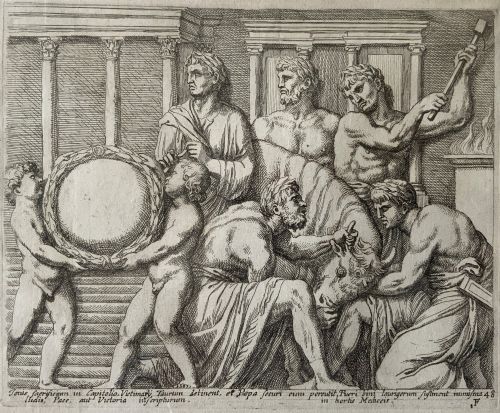
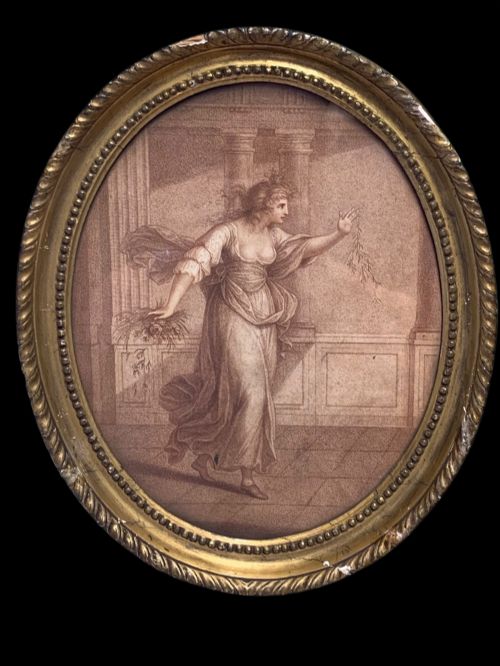
An antique classical engraving represents historical printmaking traditions focusing on mythological subjects, architectural studies, and formal portraits. Buyers searching for an antique classical engraving encounter works originating primarily from the eighteenth and nineteenth centuries, alongside select seventeenth-century examples.
The objects appear as framed prints, wall art, and bound plates depicting subjects such as classical antiquity, deities, and equestrian scenes. Most pieces on this page are paper works housed in wood or gilt frames, though related forms like silver-plated vessels and rings also emerge.
Materials and Techniques
Makers produced these works using paper surfaces inscribed with ink through intaglio processes, including copperplate engraving, etching, and mezzotint. Printers often applied hand-colouring directly to the paper to enrich architectural and figurative compositions.
Framing materials commonly include wood, glass, and gold leaf, which protect the fragile paper works while complementing the aesthetic of the period. Metal objects in the selection utilise silver plate, gold, and bronze to render classical figures in relief.
Quality and Execution
The finesse of the ink impression determines the visual clarity of fine details within architectural plates and figural compositions. Crisp lines and well-preserved tonal gradations distinguish superior print runs from worn or heavily reprinted plates.
Original period framing and the preservation of the paper sheet influence the overall integrity of the piece. Clean margins and minimal foxing indicate careful historical conservation.
John Boydell·Edward Fisher·Jean Mariette·James Watson·Valentine Green·François Perrier·Étienne Baudet·Walker and Hall
The Antique Classical Engraving Glossary
- Engraving
- A printmaking technique where an artist cuts lines directly into a metal plate with a burin. The resulting incisions hold the ink that transfers to paper under pressure.
- Mezzotint
- A tonal printmaking method where the copper plate is roughened uniformly to produce rich dark areas and subtle gradations of light. This technique was frequently utilised for reproducing portraits.
- Etching
- A process where acid bites lines into a metal plate covered with an acid-resistant ground. Artists draw freely through the ground to expose the metal before chemical immersion.
- Stipple engraving
- A method of creating images on metal plates using dots rather than continuous lines. This approach achieved soft tonal effects particularly suited for flesh and drapery.
- Intaglio
- A family of printmaking processes where the ink sits below the surface of the plate. Engraving, etching, and mezzotint all fall under this broad category.
Antique Classical Engraving: Frequently Asked Questions
How should I frame an antique engraving?
Protect the paper by using acid-free mounts and framing materials that prevent direct contact with the glass. Keeping the piece away from direct sunlight preserves the ink and paper over time.
Original frames often accompany these works and should be retained whenever structurally sound. Conservation framers can secure the paper safely within older mouldings.
What subjects appear in these prints?
Common subjects include classical deities, architectural orders, mythological narratives, and historical portraits. These themes reflect the eighteenth- and nineteenth-century fascination with antiquity.
Equestrian scenes and allegorical compositions also populate the selection. Each subject mirrors the prevailing artistic interests of its specific period.
How do I distinguish an engraving from a modern reproduction?
Examine the surface under magnification to check for plate marks, which are indentations left by the edges of the metal plate during printing. Genuine impressions display ink that sits slightly raised on the paper.
Modern mechanical reproductions show dot patterns or flat ink applications without plate impressions. Paper characteristics and framing details also offer clues to age.
Are these works hand-coloured?
Some plates feature delicate watercolour additions applied by hand after the initial ink impression was pulled. This technique was common in architectural and botanical illustrations.
Monochrome prints rely entirely on ink tonality and line work for their visual depth. Both coloured and monochrome variants belong to traditional print publishing practices.