
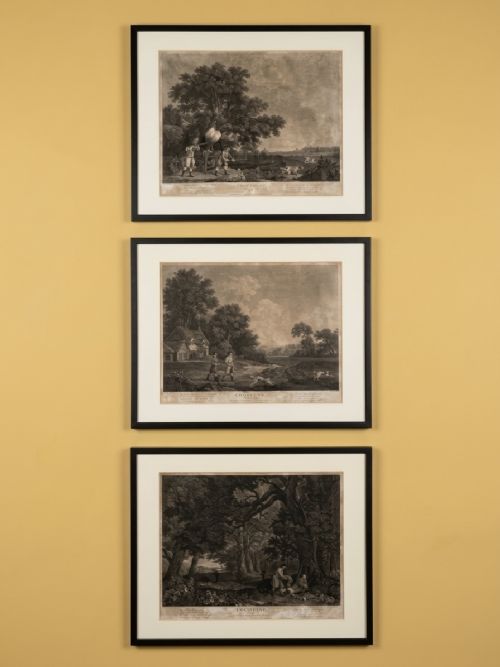
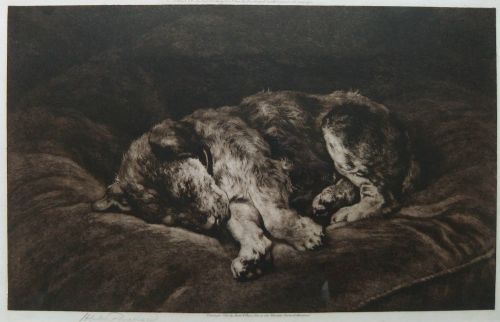
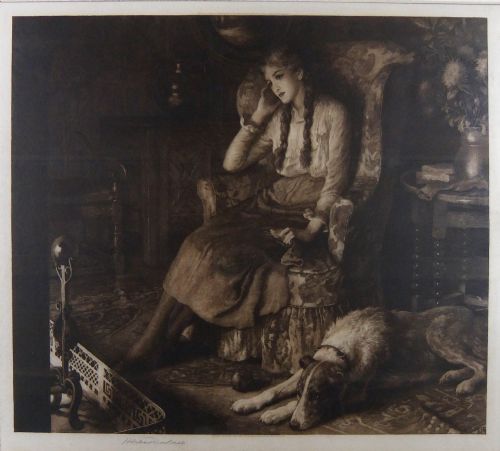
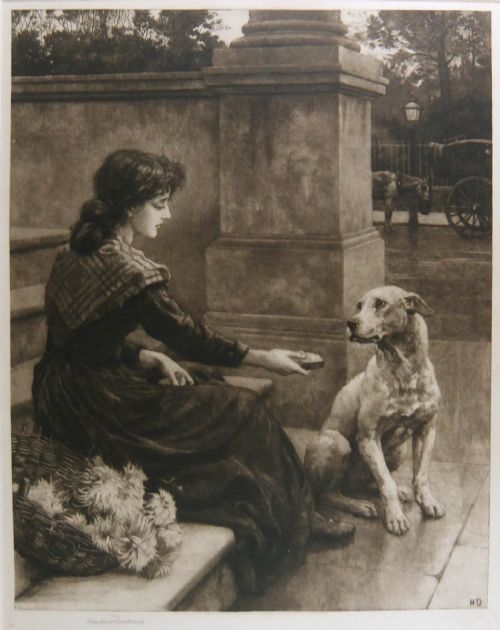


Antique Dog Etching
These antique dog etching examples capture canine character through inked lines on paper, offering collectors lasting historic charm.
Antique Dog Etching
An antique dog etching presents printed canine subjects rendered through inked lines on paper surfaces. These works emerge predominantly from the nineteenth century, nineteen hundred, nineteen ten, and nineteen twenty periods, reflecting Victorian, Edwardian, and early twentieth century realism styles.
Buyers frequently encounter framed prints and wall art alongside domestic lighting items featuring hound motifs. The inventory shows traditional paper prints matched with ruby glass oil peg lamps carrying hunting themes.
How they were made
Printers utilise ink applied to engraved plates before pressing the image onto paper. Artisans frame these works using wood and glass to protect the delicate paper sheets.
Makers also shape ruby glass and brass components for related lighting items. Clear glass additionally appears in the construction of period pieces.
Listings span four distinct periods: the nineteenth century, nineteen hundred, nineteen ten, and nineteen twenty.
What varies in quality
The precision of the drypoint line work dictates the clarity of the canine subject matter. Finer impressions display sharp details in the fur and expression.
The preservation of the paper support and the quality of the original framing materials influence the overall presentation. Associated items rely on the craftsmanship of the glass body and brass fittings.
Herbert Dicksee
The Antique Dog Etching Glossary
- Drypoint
- A printmaking process where an image is incised directly into a metal plate with a sharp needle. This technique creates a characteristic velvety burr along the lines.
- Etching
- A method where acid bites lines into a metal plate to hold ink for printing. It produces fine tonal variations on paper.
- Oil lamp
- A domestic lighting fixture burning fuel through a wick. Period examples incorporate decorative glass and metal reservoirs.
- Realism
- An artistic style focusing on accurate, unidealised depiction of subjects. This approach dominates early twentieth century canine portraiture.
Antique Dog Etching: Frequently Asked Questions
What is an antique dog etching?
An antique dog etching is a printed work on paper created from a metal plate bearing an incised canine image. These pieces date across the nineteenth and early twentieth centuries.
Artists employ techniques like drypoint to capture breeds ranging from spaniels to bulldogs with distinct realism.
How were these prints framed?
Period pieces utilise wooden frames fitted with glass to protect the delicate paper underneath. This traditional housing keeps the ink stable over decades.
Original framing helps preserve the condition of nineteenth and early twentieth century works.
Who created these works?
Notable artists such as Herbert Dicksee produced detailed drypoint etchings featuring various dog breeds. Other works record specific named animals from the nineteenth century.
Publishers and individual printmakers contributed to the body of English country house animal art.
How do I care for paper prints?
Keep framed prints away from direct sunlight to prevent the ink and paper from fading over time. Maintain stable indoor humidity levels to protect the paper.
Avoid hanging pieces in damp environments like kitchens or bathrooms.