




Monochrome Dog Print
A monochrome dog print brings the distinct character of nineteenth and early twentieth century canine art straight onto your wall.
Monochrome Dog Print
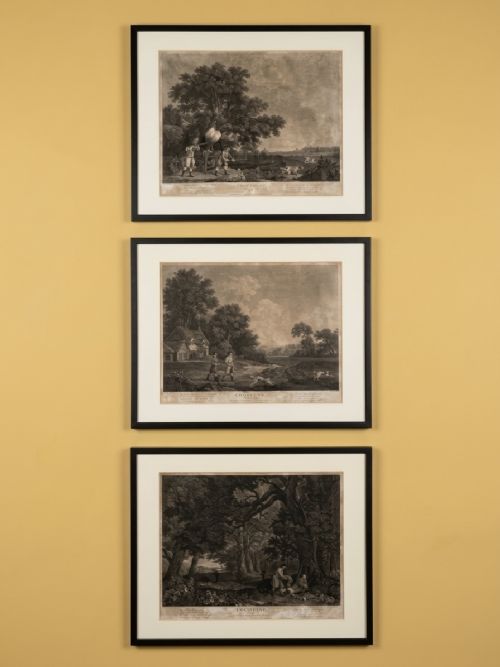
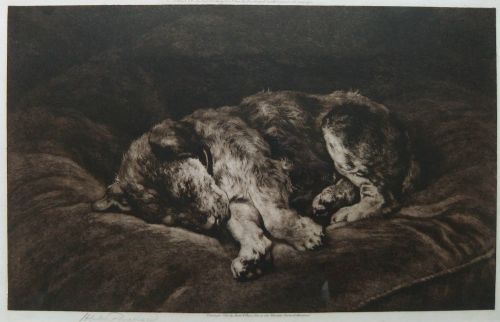
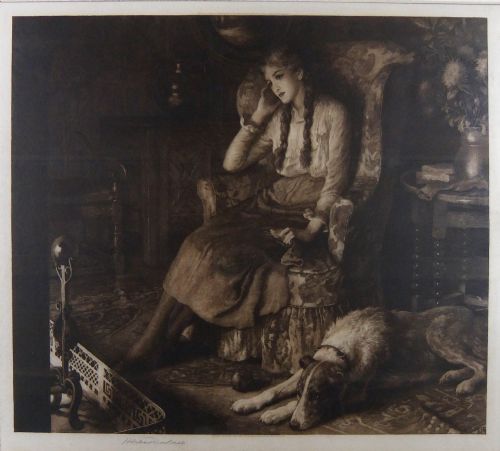
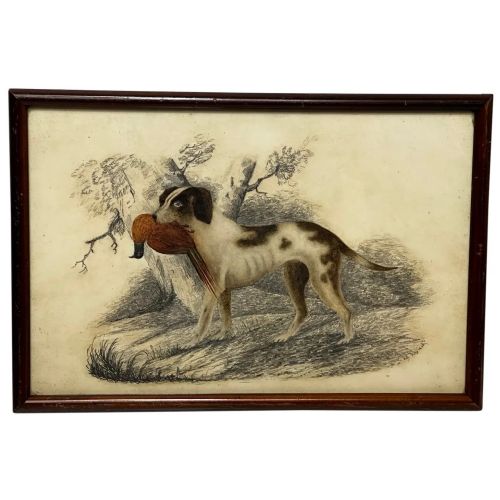
A monochrome dog print encompasses original etchings, drypoint works and engravings depicting various breeds in black and white tones. These pieces span the Victorian, Edwardian and early twentieth century periods, reflecting a strong historical interest in domestic and sporting animals.
Buyers encountering this selection will most frequently find original etchings and drypoint works alongside framed prints and wall art. Subjects range from Cocker Spaniels and Scottish Terriers to Bulldogs and sporting pointers, executed in distinct realist styles.
The objects originate primarily from the nineteenth century up through the nineteen-twenties, capturing domestic pets and working dogs with considerable detail. The medium relies entirely on inked impressions on paper, often housed behind glass within wooden frames.
How they were made
These works were produced using traditional printmaking methods, predominantly etching and drypoint upon paper plates or metal matrices. Artists applied ink meticulously into the engraved lines to create deep tonal contrasts in monochrome.
Finished prints were secured behind glass and mounted within wooden frames to protect the delicate paper surface from atmospheric damage. The physical construction combined skilled draughtsmanship with straightforward framing techniques typical of the period.
Current listings feature paper, ink, wood and glass across Victorian and Edwardian periods.
What varies in quality
Quality rests upon the crispness of the inked impression and the finesse of the original draughtsmanship on the paper. Stronger examples display deep tonal range and fine detail in the depiction of the animal's coat and expression.
The condition of the paper surface and the preservation of the original wood framing contribute significantly to the overall integrity of the piece. Clear signatures and well-preserved plate marks further distinguish the finer impressions from standard productions.
Herbert Dicksee·Blockey
The Monochrome Dog Print Glossary
- Etching
- A printmaking process where lines are bitten into a metal plate with acid before being inked and pressed onto paper. This technique allows for fine, fluid lines and rich tonal variations.
- Drypoint
- A printmaking method where an artist scratches a design directly into a plate with a sharp needle, producing a distinct velvety burr. Prints made this way often feature soft, rich lines.
- Engraving
- A method of cutting a design directly into a hard plate using a burin, resulting in precise and clean lines. It forms a stark monochrome image on paper.
- Victorian
- A historical period spanning the reign of Queen Victoria, characterised by distinct aesthetic movements and realist depictions of animals. Pieces from this era often reflect contemporary attitudes towards pets and sporting life.
- Edwardian
- The period covering the reign of King Edward VII, bridging the late nineteenth century and the First World War. Art from this time frequently refines earlier realist traditions.
Monochrome Dog Print: Frequently Asked Questions
What is a monochrome dog print?
A monochrome dog print is an original etching, drypoint or engraving rendered in black and white tones. These artworks depict breeds ranging from spaniels to bulldogs across historical eras.
They serve as classic wall art, capturing canine subjects through traditional printmaking techniques rather than modern photography.
How old are these prints typically?
The pieces generally date from the nineteenth century through the nineteen-twenties, encompassing Victorian and Edwardian periods. Many reflect early twentieth century realism and English country house aesthetics.
Their age is determined by the specific printmaking medium, paper characteristics, and recorded artist signatures from those decades.
How should I frame and display them?
These prints are commonly housed behind glass within wooden frames to protect the paper from moisture and dust. Displaying them away from direct sunlight preserves the ink and paper condition over time.
Proper framing maintains the historical integrity of works originally created in the Victorian and Edwardian eras.