


Edwardian Canine Art
Edwardian canine art captures dogs in oils, etchings, and pastels from the turn of the twentieth century, bringing character and sporting tradition straight to your wall.
Edwardian Canine Art
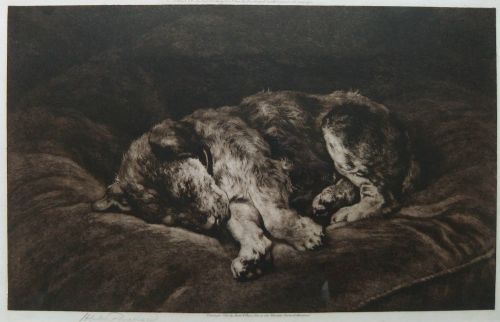
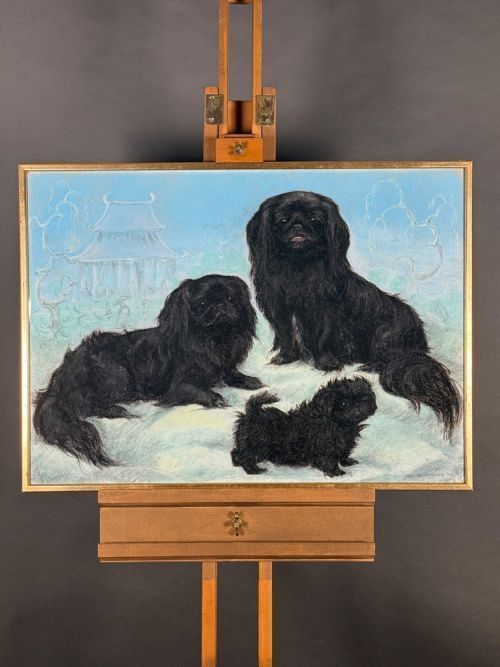
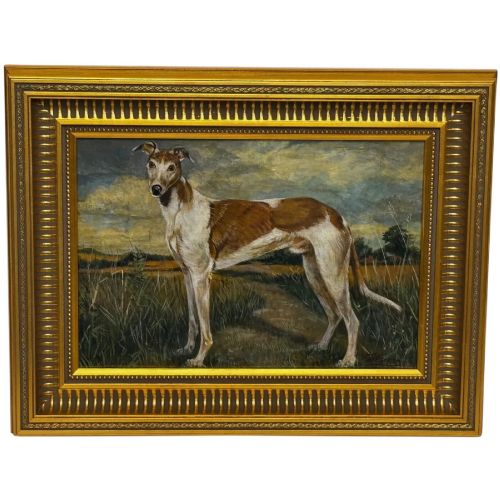
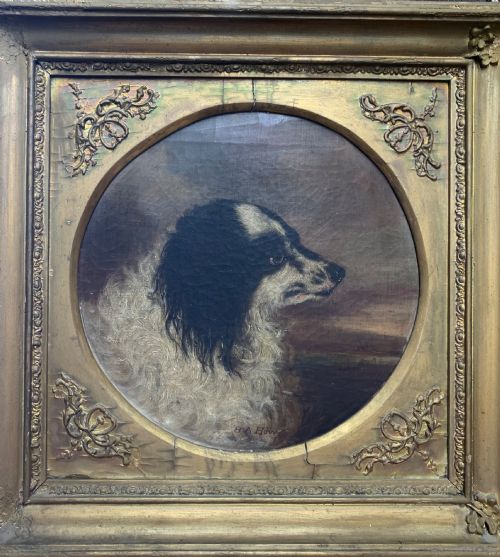
Edwardian canine art comprises framed artworks focusing on dogs, spanning paintings, prints, etchings, and drawings from the period. Pieces range from intimate portraits of spaniels and terriers to dynamic scenes of hunting dogs in landscapes.
The selection here draws primarily upon early twentieth century fine art and British sporting art traditions. While the core centres on Edwardian pieces, the range extends to include Victorian works and later twentieth century interpretations.
Subjects vary from individual breed studies, such as collies, pugs, and bulldogs, to multi-dog compositions like fox terrier puppies. Each artwork reflects the contemporary British fascination with animal portraiture and sporting culture.
Judging the work
Quality rests upon the artist's ability to render canine anatomy and individual expression with convincing precision. Stronger pieces reveal a sure hand in the handling of fur texture, light, and shadow.
The distinction between a standard breed record and a masterwork lies in the atmosphere of the composition and the depth of the background landscape. Works by established named artists command greater attention for their accomplished brushwork and distinct style.
Listings combine oil on canvas, etchings, drawings on paper, and cold painted bronze objects from Victorian, Edwardian, and later twentieth-century periods.
Herbert Dicksee·John Emms·Valentine Thomas Garland·Philip Eustace Stretton·Samuel Fulton
The Edwardian Canine Art Glossary
- Etching
- A printmaking technique where lines are bitten into a metal plate with acid before ink is applied. This process allows for fine, delicate detail across printed editions.
- Drypoint
- A printmaking method in which an artist scratches a design directly into a metal plate using a sharp needle. This creates a distinct velvety burr along the lines when inked.
- Sporting art
- Artwork depicting field sports, animals, and hunting scenes. In this context, it covers working dogs, hounds, and terriers in rural environments.
- Cold painted bronze
- Bronze sculpture finished with paint applied without heat, popular for decorative items like bookends. The finish requires careful handling to preserve the original pigment.
Edwardian Canine Art: Frequently Asked Questions
What breeds appear most often?
Terriers, spaniels, collies, and bulldogs dominate the subjects in these paintings and etchings. Artists frequently turned to working dogs and prized champions as their primary models.
Sporting dogs like lurchers and hunting hounds also feature strongly within the British sporting art tradition of the period.
How do I hang and light these artworks?
Keep oil paintings and works on paper away from direct sunlight to protect the pigments from fading. Natural indirect light serves best to bring out the subtle tones in oil on canvas.
Ensure wall fixings match the weight of the heavier framed oils and bronze bookends.
How do I tell an etching from an oil painting?
Etchings are works on paper created through inked impressions from a metal plate, usually displayed under glass. They rely on fine lines and tonal hatching rather than brushstrokes.
Oil paintings present textured pigment on canvas or board, showing the physical build-up of paint layers.
Are these pieces strictly from the Edwardian period?
The selection centres on the early twentieth century and the Edwardian era, but includes Victorian precursors from the nineteenth century. Later pieces stretching toward the mid-century also appear.
Each listing notes the specific period or estimated date associated with the artwork.