


Antique Dog Picture
An antique dog picture captures the character of canine companions through centuries of painting, drawing and printmaking.
Antique Dog Picture
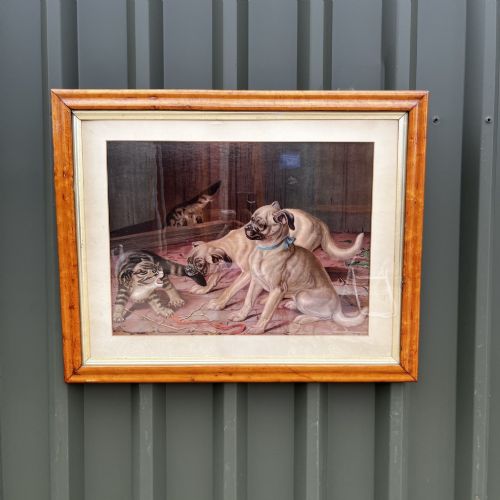
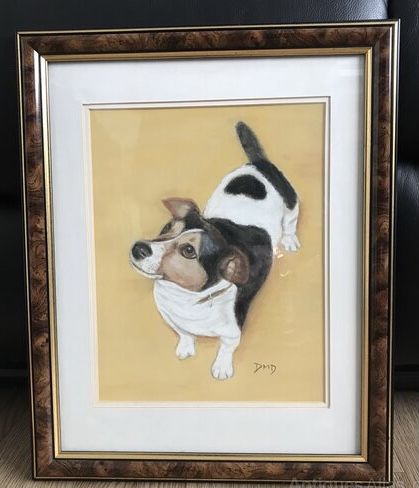
When you search for an antique dog picture, you encounter a diverse array of mediums spanning the nineteenth and twentieth centuries. These artworks range from finely detailed oil paintings and watercolours to original etchings, pastels, and needlework panels. Many pieces focus on specific breeds, reflecting historical working roles and domestic attachments.
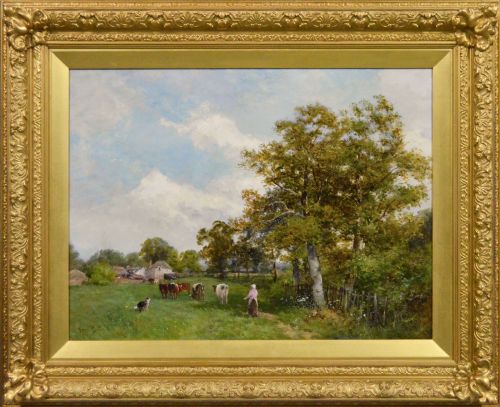
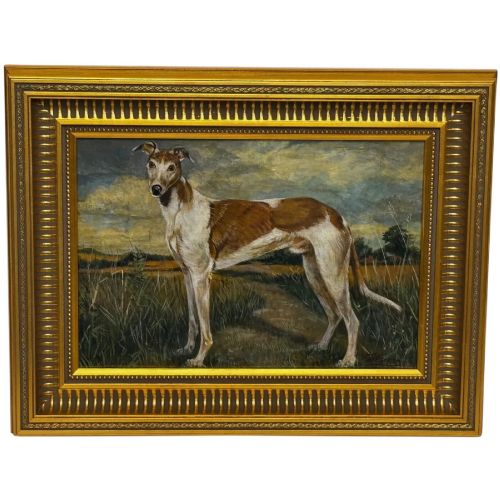
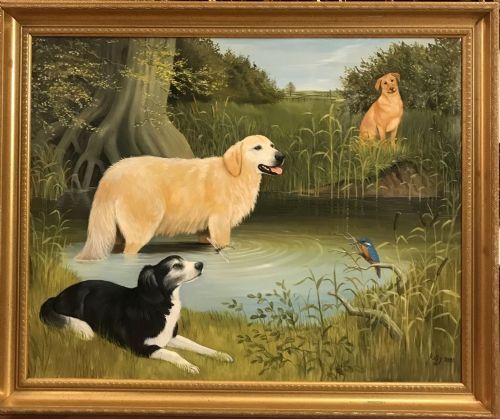
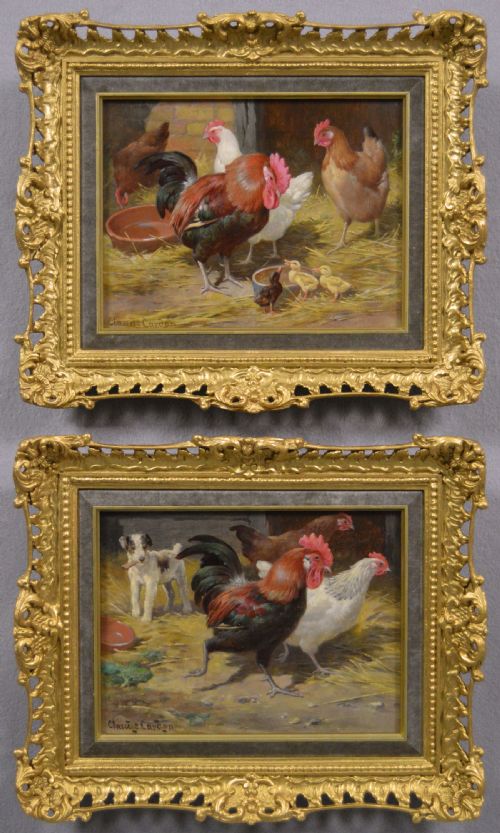
The most common examples on this page are Victorian oil paintings and early twentieth-century etchings. Subjects stretch from working collies and sporting lurchers to pampered spaniels and characterful terriers, often set within rural landscapes or domestic interiors. Works vary from naive school depictions to accomplished academic portraits after celebrated artists.
Materials and methods
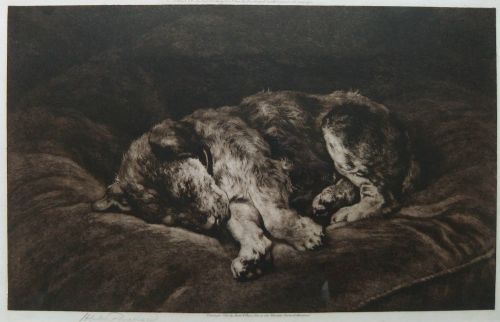
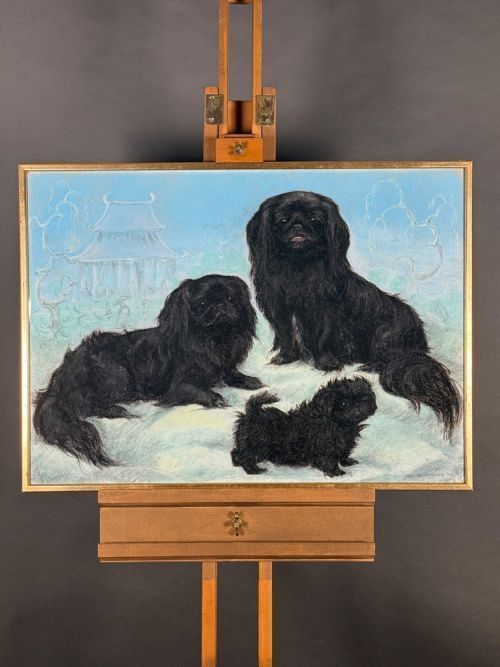
Painters utilised oil paint on canvas or board, applying rich pigments to capture the texture of a dog coat and the light in a landscape. Watercolours and pastels on paper offer a more immediate, delicate study of form, frequently framed beneath glass. Graphic works rely on traditional printmaking techniques, including original etchings and lithographs.
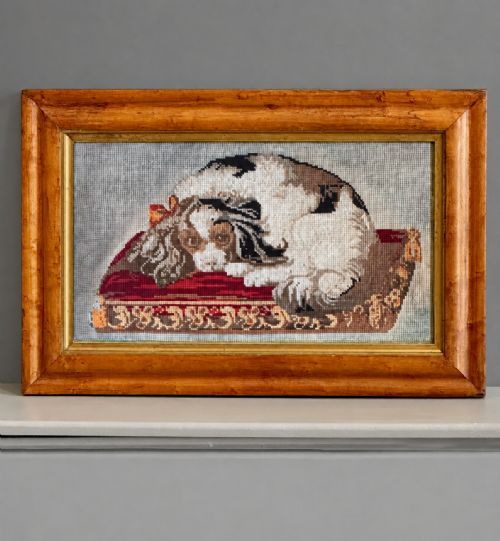
Framing plays a defining role in the physical structure of these works, with many pieces retaining original burr maple or gilt wood frames. Needlework examples employ Berlin wool work on canvas to build colourful textile portraits of King Charles spaniels. The combination of supportive paper, wood, glass, and gold leaf ensures surviving works retain their visual impact.
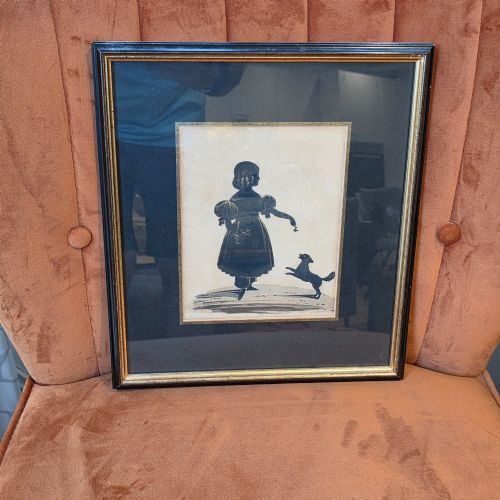
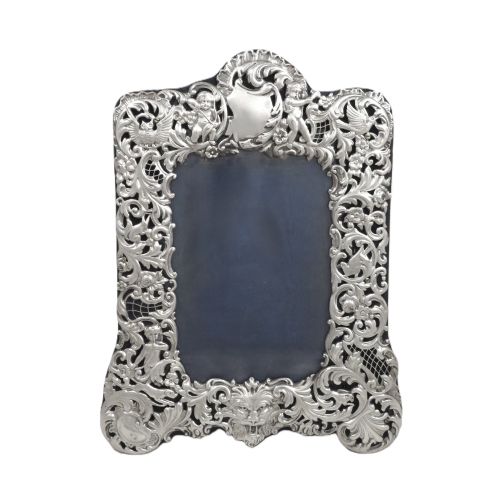
Materials represented across the selection include traditional oil paint, watercolour, charcoal, cut paper silhouettes, and sterling silver framing.
Assessing quality
Quality in an antique dog picture rests primarily upon the anatomical accuracy and expressive capability of the hand. Superior artists render bone structure, muscle tone, and the distinct alertness of an animal with confident brushwork or precise etching lines. Lesser examples may rely on stiff, formulaic outlines that lack individual personality.
The integrity of the medium and the preservation of the surface further distinguish higher tiers. Original frames matching the period of the artwork and untouched paint layers elevate the historical significance of a piece. Works associated with named sporting artists or faithful interpretations of established animal painters command closer attention.
William James Hubard·Herbert Dicksee·David Bates·C. H. Weigall·Horatio Henry Couldrey·Claude Cardon·John Emms·Arthur Wardle·Augustin Edouart·Sir Edwin Landseer·Colin Graeme Roe·Alfred Duke·Henri Schouten·Tom Carr
The Antique Dog Picture Glossary
- Etching
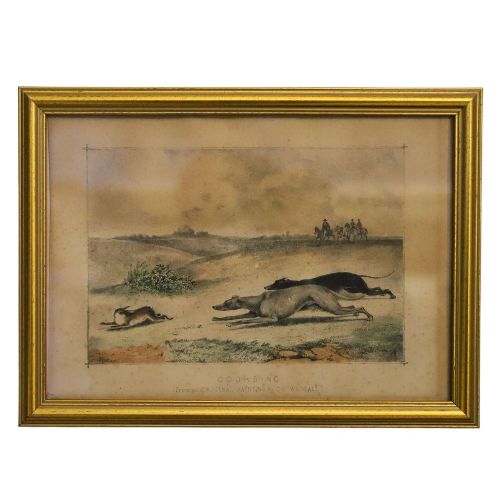
- A printmaking process where lines are bitten into a metal plate with acid before being inked and pressed onto paper. This technique allows for fine, expressive detail in animal fur.
- Berlin work
- A style of coloured needlework popular in the nineteenth century, often charted on squared paper. It frequently depicts domestic animals like spaniels.
- Sporting art
- A genre of painting and illustration dedicated to field sports, hunting dogs, horses, and rural wildlife. It flourished through the Georgian and Victorian eras.
- Chromolithograph
- A multicoloured print produced through a specialised lithographic process. This method captured the vibrant tones of original paintings for broader publication.
- Naive school
- Art created by self-taught painters who prioritized direct representation over formal academic perspective. These works possess a charming, unpretentious character.
Antique Dog Picture: Frequently Asked Questions
What periods do these pictures cover?
The available selection primarily spans the nineteenth and mid-twentieth centuries, with a strong representation of Victorian and Edwardian works. Pieces range from early nineteenth-century watercolours to mid-century oil studies.
Dates often reflect the active period of the artist or the prevailing aesthetic of the decade in which the artwork was produced.
How were these dog portraits displayed?
Historically, these artworks hung in country houses, sporting lodges, and Victorian parlours to celebrate prized hounds, working dogs, and family pets. They served as markers of status, sporting achievement, and domestic affection.
Today, they function well in traditional or contemporary interiors, often grouped together to create a gallery wall of animal studies.
How do I identify a print from an original painting?
Original paintings and drawings feature visible brush texture, layered pigment, or hand-applied pastel and ink marks on the paper or canvas surface. Prints, such as etchings and lithographs, show plate marks, inked lines under magnification, or dot patterns characteristic of reproduction.
Examining the work closely under good lighting usually reveals the physical application method of the medium.
Are these works signed by the artists?
Many pieces feature artist signatures, monograms, or contemporary inscriptions on the front or reverse of the canvas, paper, or frame. Other works remain attributed to specific schools or followers of major painters when direct signatures are absent.
Documentation and framing details often provide additional context regarding the origin and authorship of the piece.