



Vintage Dog Print
A vintage dog print captures character and history through paper, ink, and watercolour.
Vintage Dog Print
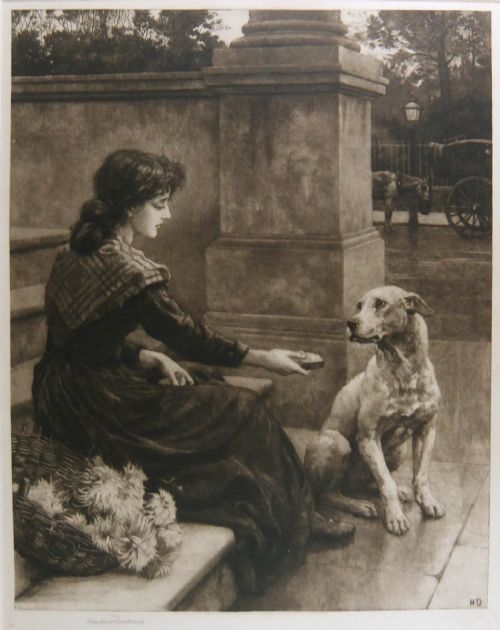
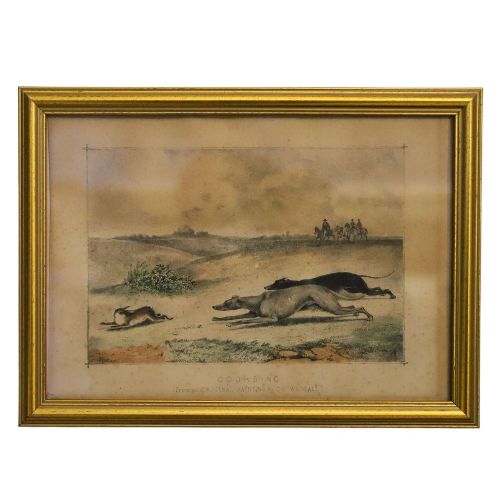
A vintage dog print encompasses framed artwork, original etchings, and chromolithographs produced across the nineteenth and twentieth centuries. These works record sporting subjects, working breeds, and domestic pets in varied illustrative styles.
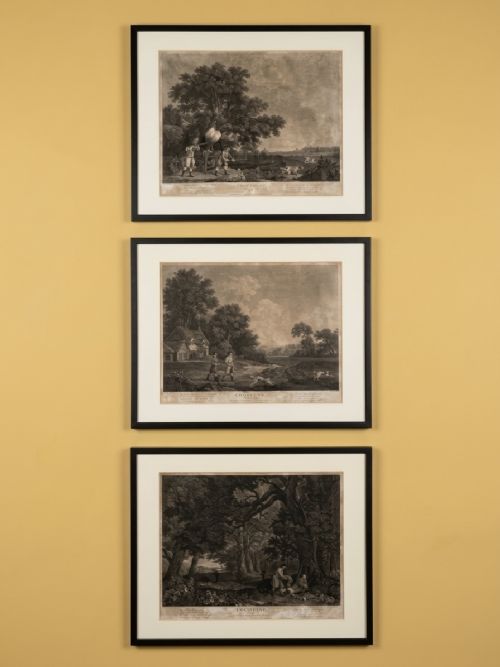
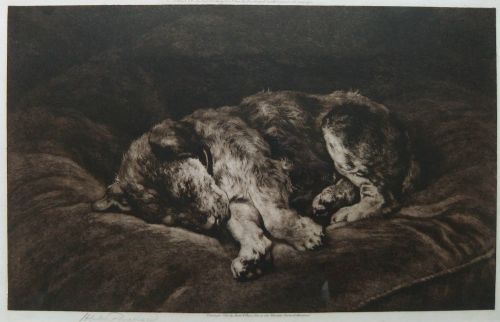
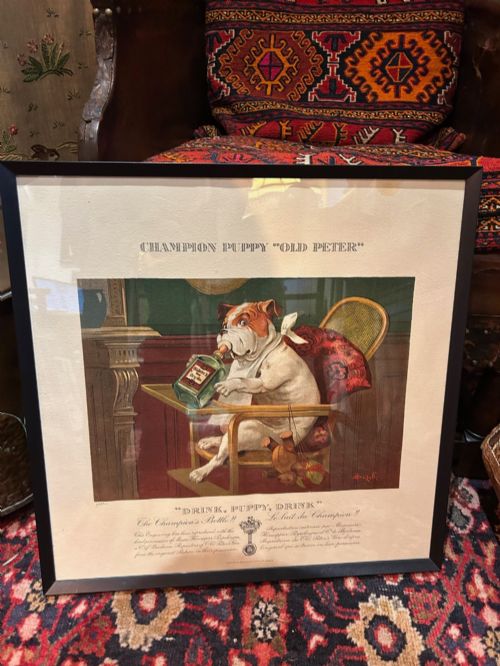
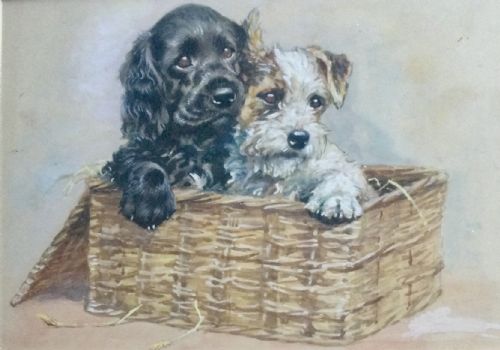
Buyers encounter Victorian engravings, Edwardian etchings, and mid-century advertising pieces mounted in wood and giltwood frames. The selection ranges from detailed drypoint studies to colourful pastel drawings.
Works originate from British and French studios, reflecting both field sports traditions and intimate domestic portraiture. Each piece demonstrates the distinct printing and painting methods of its decade.
Materials and Techniques
Makers utilised heavy paper and card as the primary surface for printing and drawing, applying ink, watercolour, and pastel by hand. Etchings and engravings rely on precise plate work to capture the texture of canine fur.
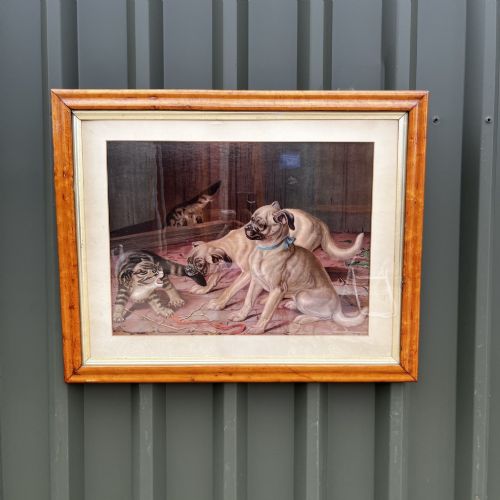
Framing materials include traditional wood, oak, and giltwood mouldings, often paired with protective glass. Lithographs and chromolithographs employ layered colour printing to achieve depth without losing fine illustrative detail.
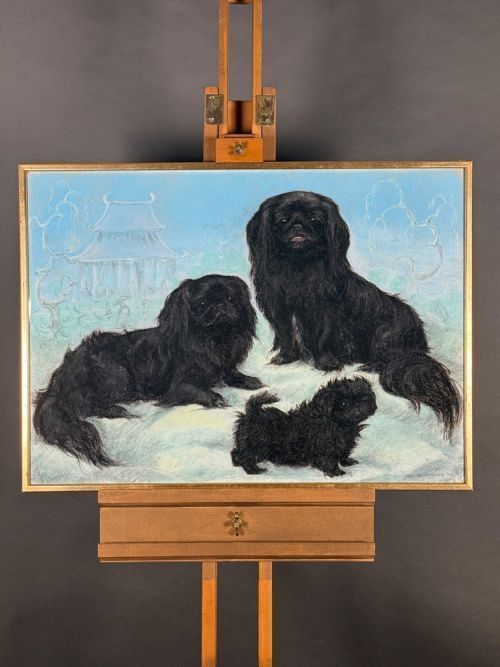
Pugs, Pekingeses, and bull bitches share the gallery space, proving that historical artists loved flat faces just as much as we do.
Assessing Quality and Execution
Execution depends upon the precision of the line and the fidelity of the tonal range, particularly in drypoint etchings and early engravings. Superior plates display crisp detail in the animal's coat and expression.
The choice of medium alters the visual weight, moving from delicate watercolour washes to robust oil paintings and deep ink impressions. Contemporary framing and preservation of the original paper surface further define the standing of each piece.
Herbert Dicksee·Marcellin Auzolle·C. H. Weigall·Horatio Henry Couldrey·Mabel Gear·Tom Carr·Florence Mabel Hollams·Lucy Dawson
The Vintage Dog Print Glossary
- Etching
- A printmaking method where acid bites lines into a metal plate to hold ink. This technique allows for fine, expressive hatching.
- Chromolithograph
- A multicolour planographic printing process used to produce vibrant images. It builds colour through successive stone plates.
- Drypoint
- An intaglio printmaking technique where a sharp needle scratches directly into metal. It produces a soft, velvety line from the displaced metal burr.
- Sporting Art
- Depictions of field sports, hunting dogs, and working animals in natural environments. This genre flourished in British art throughout the nineteenth century.
Vintage Dog Print: Frequently Asked Questions
How do I date a vintage dog print?
Dating relies on the paper type, printing technique, and framing style associated with the piece. Victorian and Edwardian works often bear specific publication dates or artist signatures in pencil.
Examining the back of the frame can reveal archival labels or stamps that confirm the period of production.
What is the difference between an etching and a lithograph?
An etching involves incising lines into a metal plate with acid or a needle to hold ink. This creates raised, textured lines on the paper.
A lithograph is a planographic method drawn on stone or metal, resulting in a flat surface where ink adheres to greased areas.
How should I display these prints at home?
These works suit studies, hallways, and living rooms, particularly when grouped by period or subject matter. Original wood and giltwood frames enhance the historical character of the artwork.
Positioning pieces away from direct sunlight protects the delicate paper and watercolour pigments from fading.
Are these prints originals or reproductions?
Many listings feature original period works, including signed etchings, hand-coloured engravings, and unique watercolours or pastel drawings. Lithographs and advertising prints from the early twentieth century are period originals of their respective media.
Checking the paper texture and ink application helps distinguish period printmaking techniques from modern copies.