

Edwardian Animal Art
Edwardian animal art brings together the domestic and the wild through paintings, etchings, and carvings that capture creatures with remarkable character.
Edwardian Animal Art
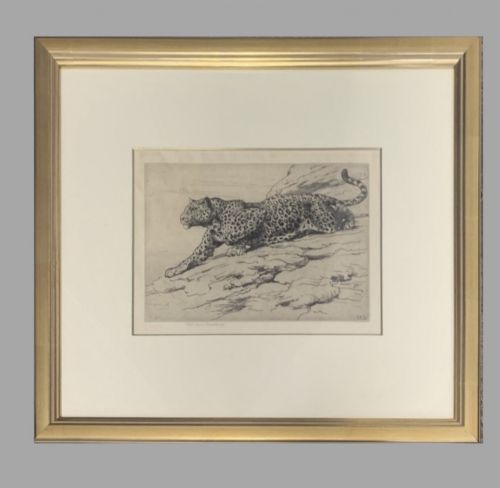
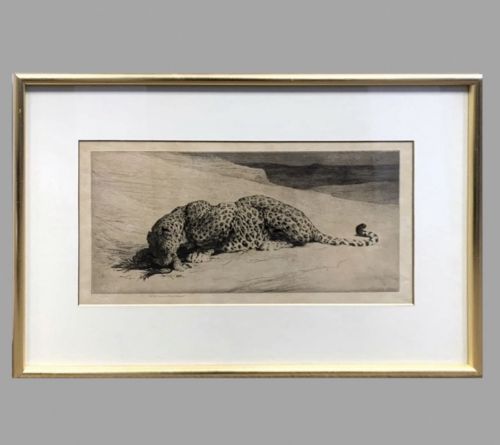
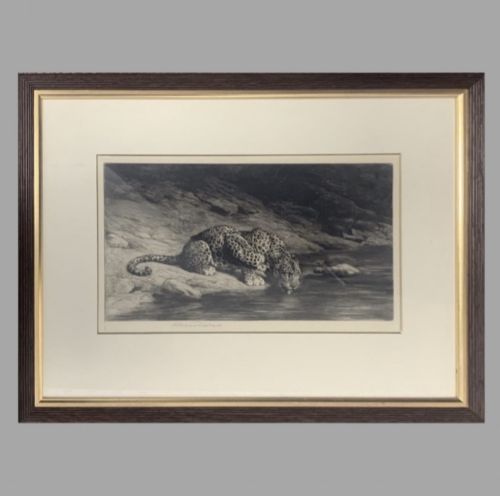
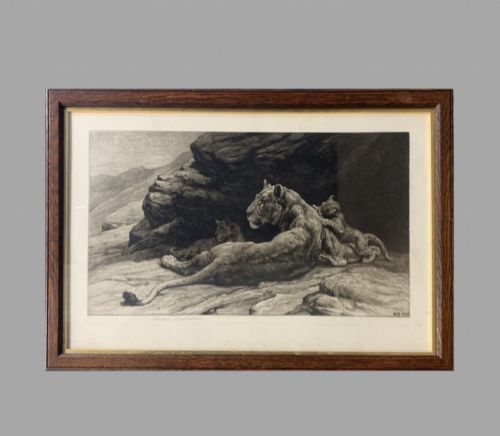
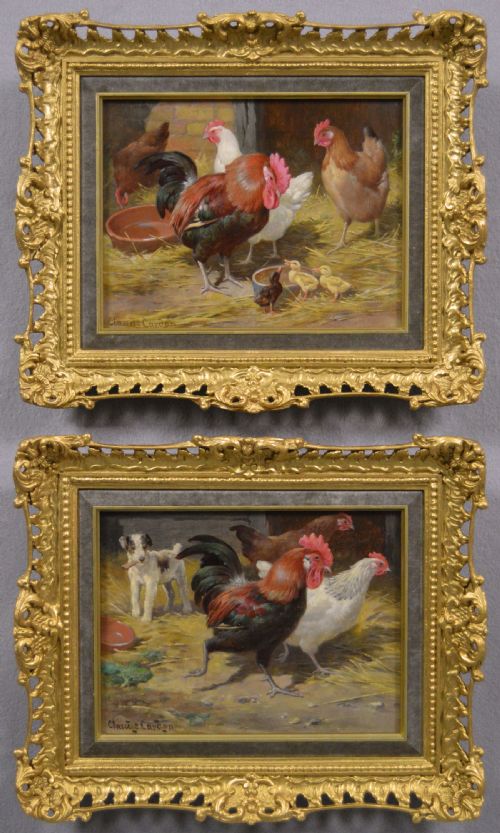
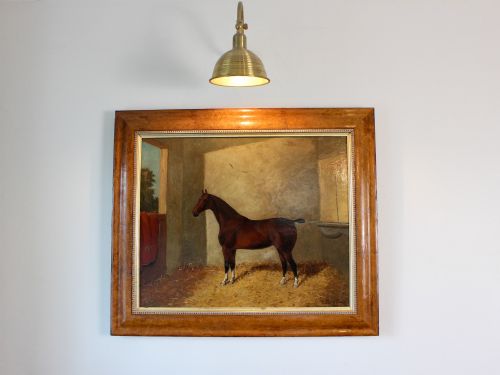
Edwardian animal art encompasses oil paintings, original etchings on paper, framed prints, and decorative sculptures depicting domestic pets, farm animals, and exotic wildlife.
The pieces on this page span the Victorian, Edwardian, and early twentieth-century periods, reflecting a sustained nineteenth and twentieth-century interest in animal portraiture.
Buyers will encounter oil on canvas works, detailed pencil and pastel drawings, carved linden wood sculptures, and bronze desk pieces among the available selection.
Materials and Technique
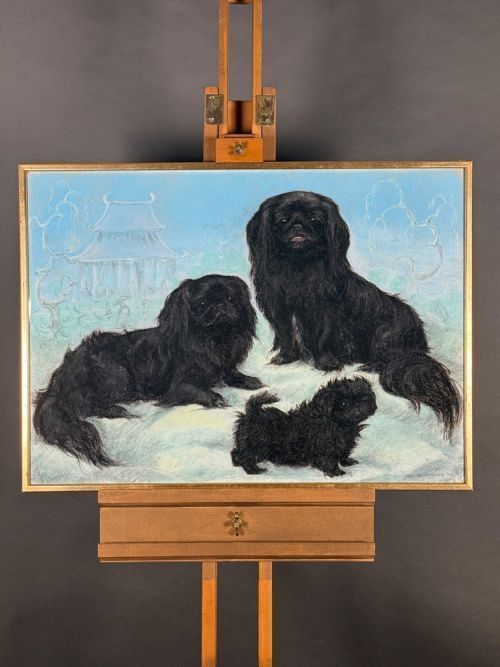
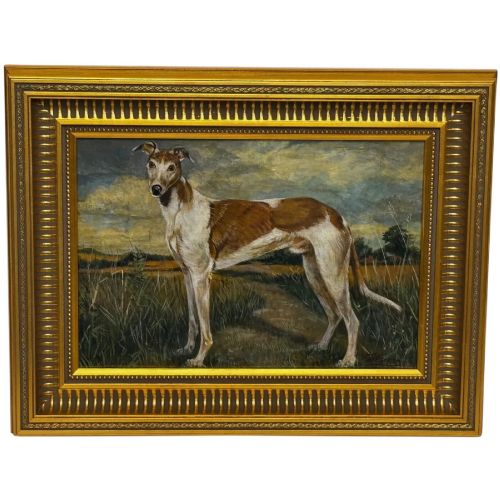
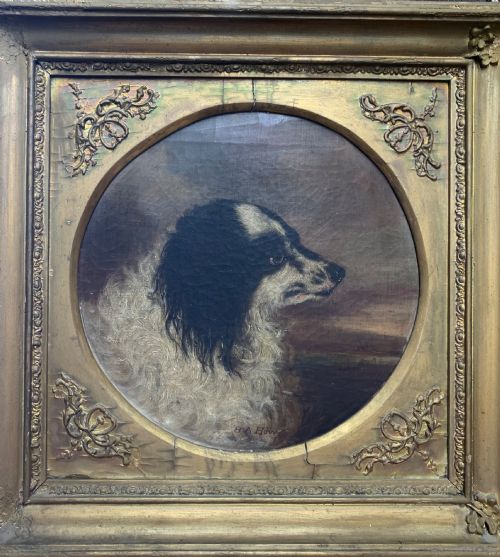
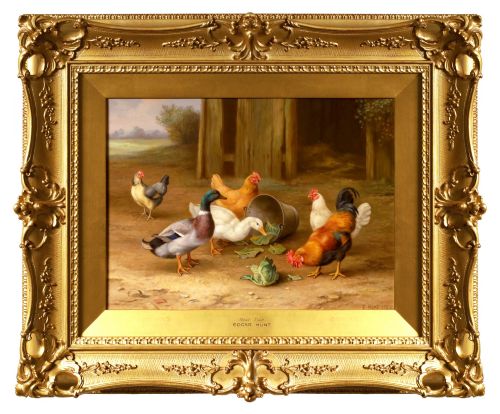
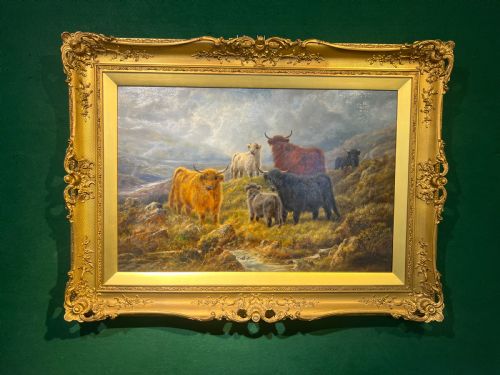
Artists employed oil paint on canvas and wood panels alongside watercolour and pastel on paper to render animal coats and settings with distinct texture.
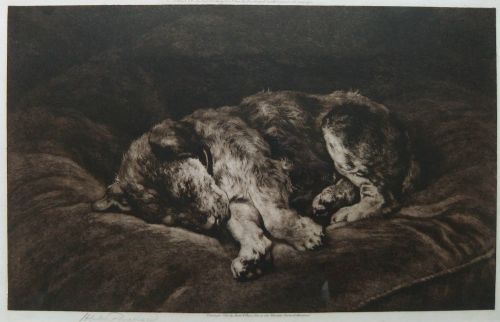
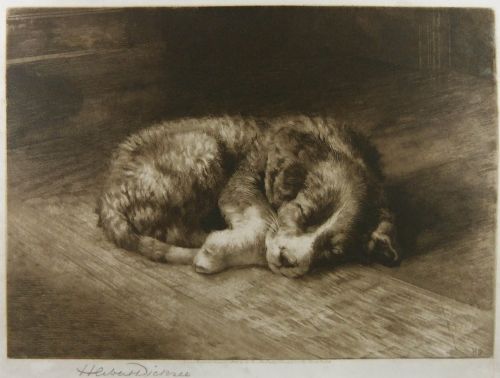
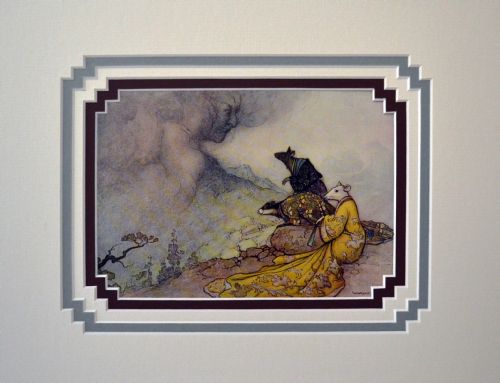
Printmakers utilised etching techniques on paper and vellum, producing limited edition signed proofs that captured fine linear detail.
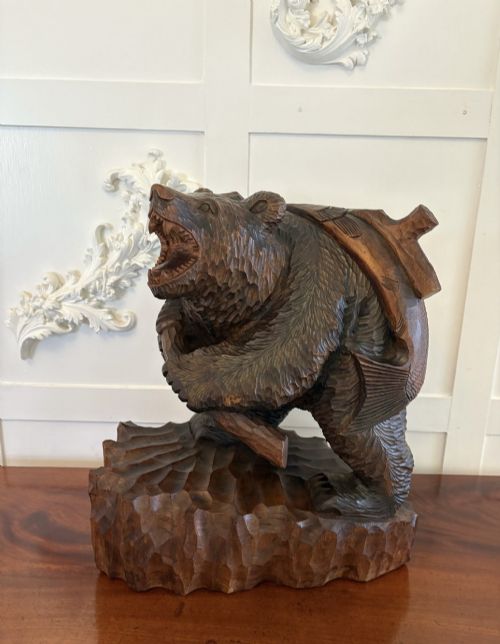
Sculptors carved figures from linden wood and cast bronze elements, occasionally combining them with materials like onyx or mounting them in giltwood frames.
Edwardian Animal Art Retail Price Guide 2026
Typical asking prices for edwardian animal art among the pieces listed under this phrase on Sellingantiques today, from the lower quarter to the upper quarter. They describe what is for sale here now, not the wider market.
Listings feature oil paintings, etchings on vellum, and carved linden wood sculptures spanning the Victorian and Edwardian eras.
Assessing Quality
Quality rests upon the artist's ability to render the anatomy, expression, and posture of the animal with anatomical conviction and psychological presence.
In printed works, the crispness of the plate impression and the clarity of the artist's pencil signature distinguish proof editions from standard reproductions.
For carved pieces, depth of relief, precision in the handling of fur and form, and the condition of the wood dictate the standing of the work.
Herbert Dicksee·Claude Cardon·John Emms·Edgar Hunt·Louis Wain
The Edwardian Animal Art Glossary
- Etching
- A printmaking process where lines are bitten into a metal plate with acid before ink is applied and transferred to paper.
- Artists Proof
- An impression taken from a print plate outside the main edition, traditionally retained by the creator.
- Black Forest
- A style of wood carving originating in central Europe, known for realistic depictions of bears and forest animals.
- Giltwood
- Wood that has been coated with a thin layer of gold leaf or gold paint for decorative effect.
Edwardian Animal Art: Frequently Asked Questions
What is Edwardian animal art?
Edwardian animal art comprises paintings, etchings, and sculptures created around the early twentieth century that focus on domestic pets, livestock, and wild animals.
These pieces reflect the period's fondness for realistic portraiture and natural history subjects.
How do I identify an original etching?
Original etchings display plate marks where the edge of the metal plate pressed into the damp paper during printing.
Signed artist proofs also typically feature handwritten signatures in pencil beneath the image.
Where were Black Forest carvings made?
Black Forest carvings originated in regions of central Europe, particularly Switzerland and Germany, during the nineteenth and early twentieth centuries.
Woodcarvers utilised local linden and walnut to create detailed figures of bears and forest creatures.
How should I display oil paintings?
Oil paintings on canvas require stable indoor environments away from direct sunlight and excessive humidity to protect the paint layer.
Matching the work with a suitable period frame helps preserve the canvas edges and complements the aesthetic of the artwork.