


Country House Dog Picture
A country house dog picture captures the steadfast companionship and sporting heritage of estate life through centuries of British animal portraiture.
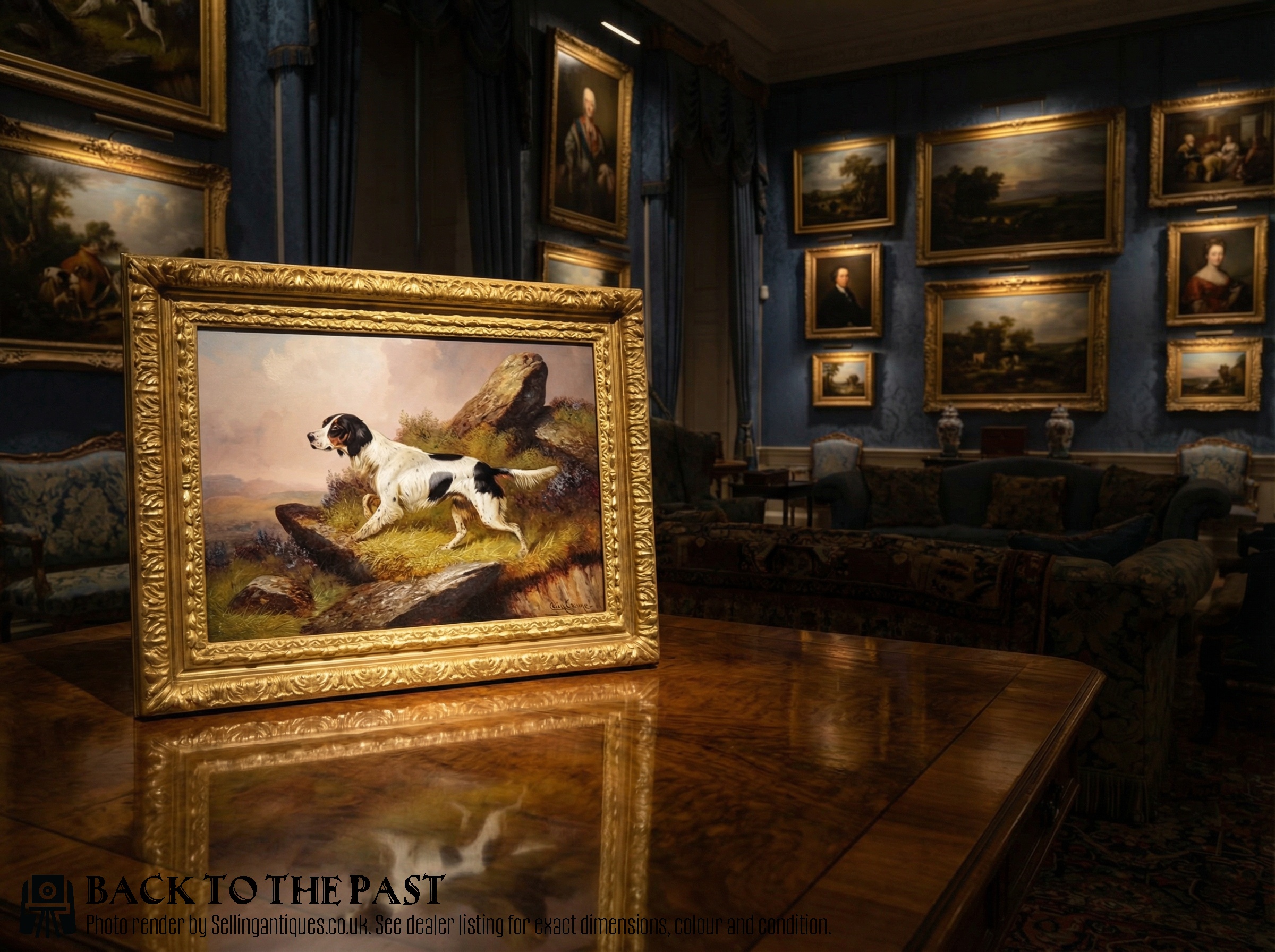
Country House Dog Picture
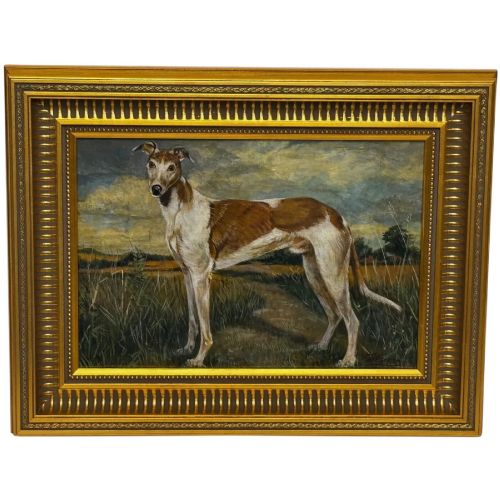
A country house dog picture brings domestic and sporting animals into the interior, spanning centuries of British taste. These works range from naive school depictions of border collies to academic portraits of spaniels, terriers, and setters.
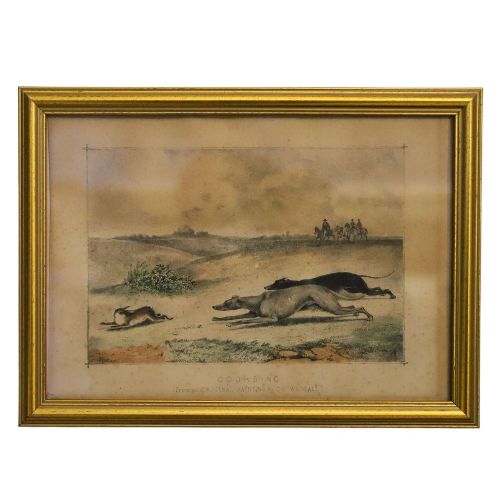
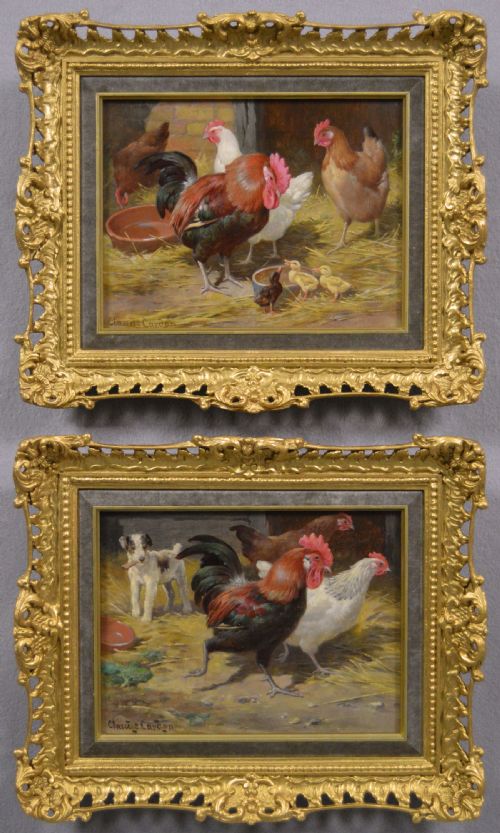
The pieces appearing on this page include framed prints, lithographs, and original oil paintings on canvas or board. Buyers frequently encounter nineteenth-century works alongside early twentieth-century interpretations.
Subjects stretch beyond solitary hounds to include working litters, terriers guarding rat traps, and sporting dogs navigating hedges or open landscapes. Each canvas records the specific bond between owner and animal across British estates.
Distinctions in Quality
Anatomy and expression set individual works apart, separating routine decorative canvases from astute animal characterisation. The handling of coat texture, muscle structure, and light within the landscape reveals the painter's ability.
Condition and originality influence the standing of each piece, particularly the preservation of the paint surface and the appropriateness of the framing. Works associated with known followers or identifiable hands carry additional distinction.
Several terriers captured in these rooms appear permanently distracted by unseen vermin just beyond the frame.
Claude Cardon·Samuel Raven·Colin Graeme Roe·Alfred Duke·M.E. Hankinson·John Emms
The Country House Dog Picture Glossary
- Naive school
- Art produced by self-taught painters working outside academic traditions. These pieces prioritise direct observation over formal perspective.
- Sporting art
- Depictions of field sports, horses, and dogs associated with country pursuits. This genre flourished across Britain throughout the eighteenth and nineteenth centuries.
- Giltwood
- Timber carved and coated with gold leaf or metallic powder. It provides a reflective border for traditional paintings.
- Lithograph
- A print made from a design drawn on limestone or metal plate. The technique allows for subtle tonal gradations in graphic works.
Country House Dog Picture: Frequently Asked Questions
What periods do these dog pictures cover?
The selection spans from the early nineteenth century through to the mid-twentieth century. Most examples date from the Victorian era and the decades immediately following.
Earlier pieces often reflect Georgian sensibilities, while later works move towards mid-century interpretations of domestic pets.
Are these paintings original works?
The listings include original oil paintings executed on canvas, board, and wood panel. These are created by hand using traditional pigments.
The selection also incorporates period engravings and lithographs printed on paper during the nineteenth century.
How do I identify a naive school dog painting?
Naive paintings typically display a charming flatness and straightforward perspective rather than strict anatomical precision. They focus on the distinct character of the animal.
These works often emerge from regional British traditions where painters worked independently of formal academy training.
What framing is common for these pictures?
Many oil paintings retain period giltwood frames that match the age of the canvas. These frames often feature moulded decoration typical of nineteenth-century craftsmanship.
Papers and engravings frequently appear behind glass within traditional timber mounts.
Which dog breeds appear most frequently?
Setters, spaniels, terriers, and lurchers dominate the imagery. These breeds reflect both working farm life and traditional field sports.
Individual portraits capture specific animals like King Charles spaniels alongside working border collies and hounds.