





Victorian Dog Oil Painting
A victorian dog oil painting captures canine character with enduring charm, offering buyers a genuine window into nineteenth-century domestic and sporting life.
Identifying a victorian dog oil painting
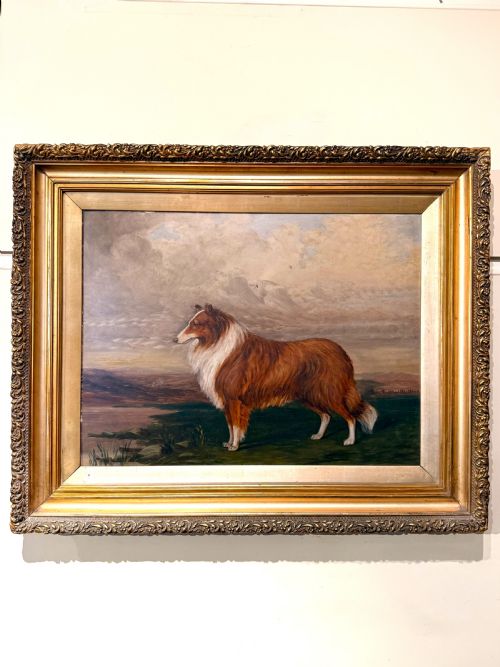
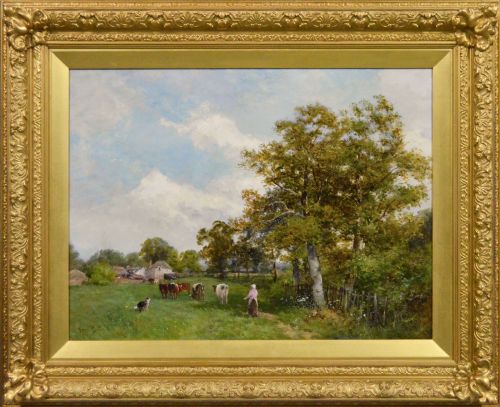
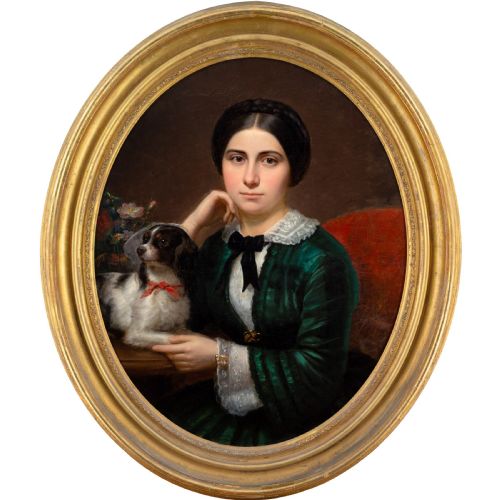
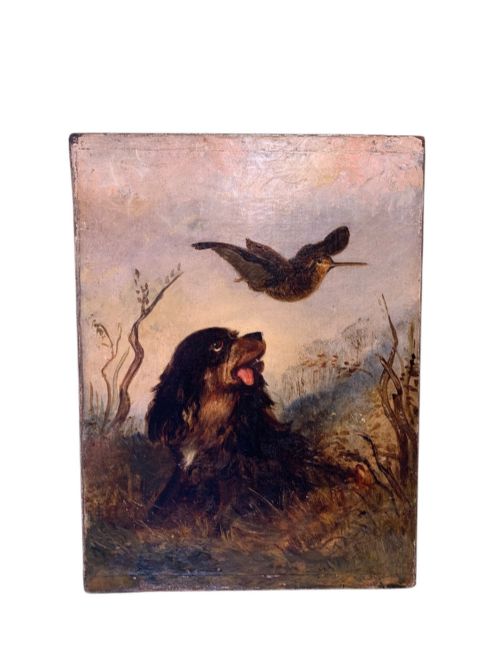
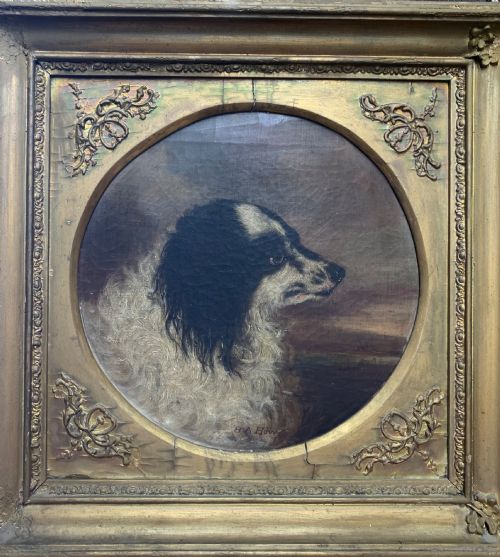
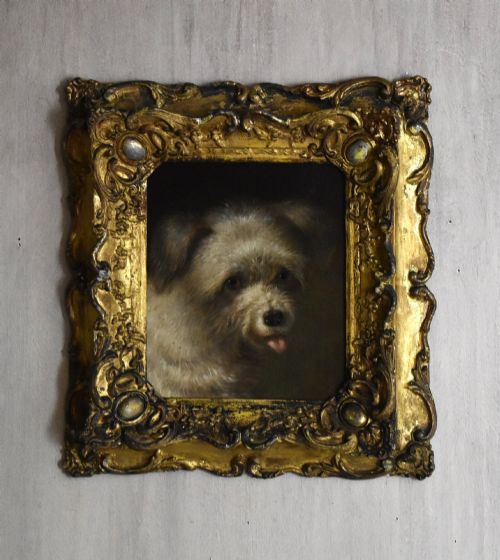
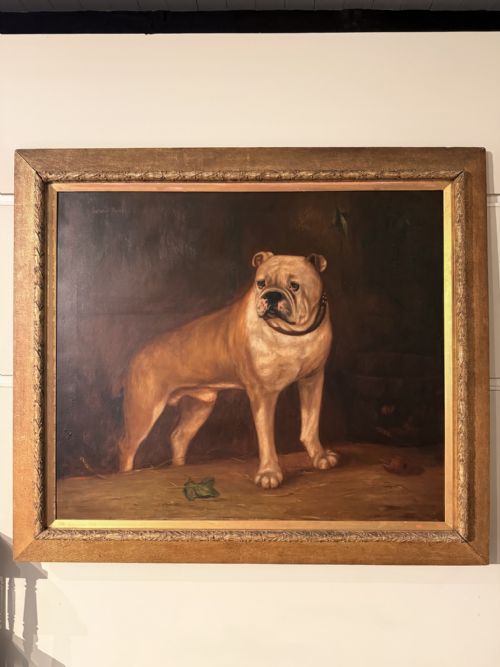
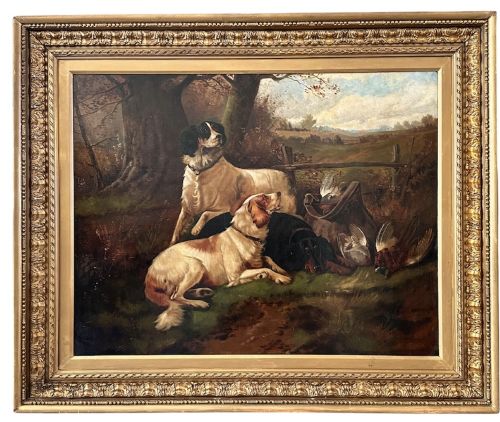
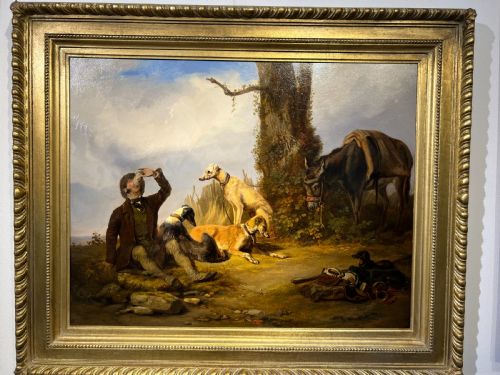
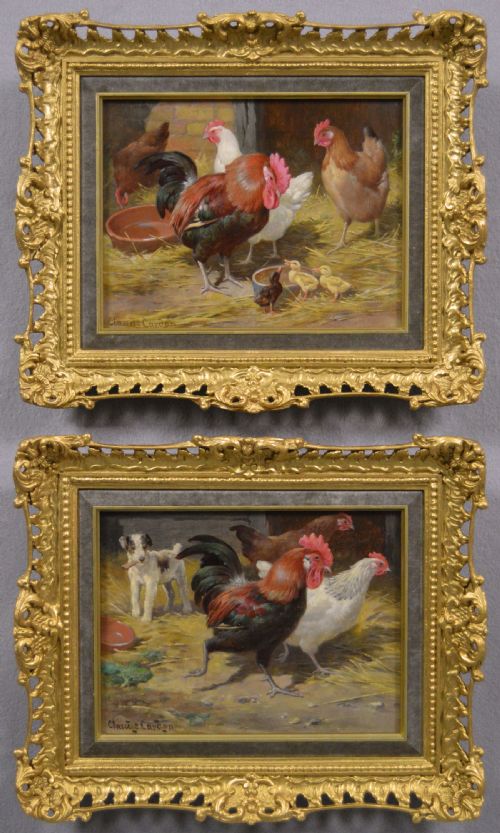
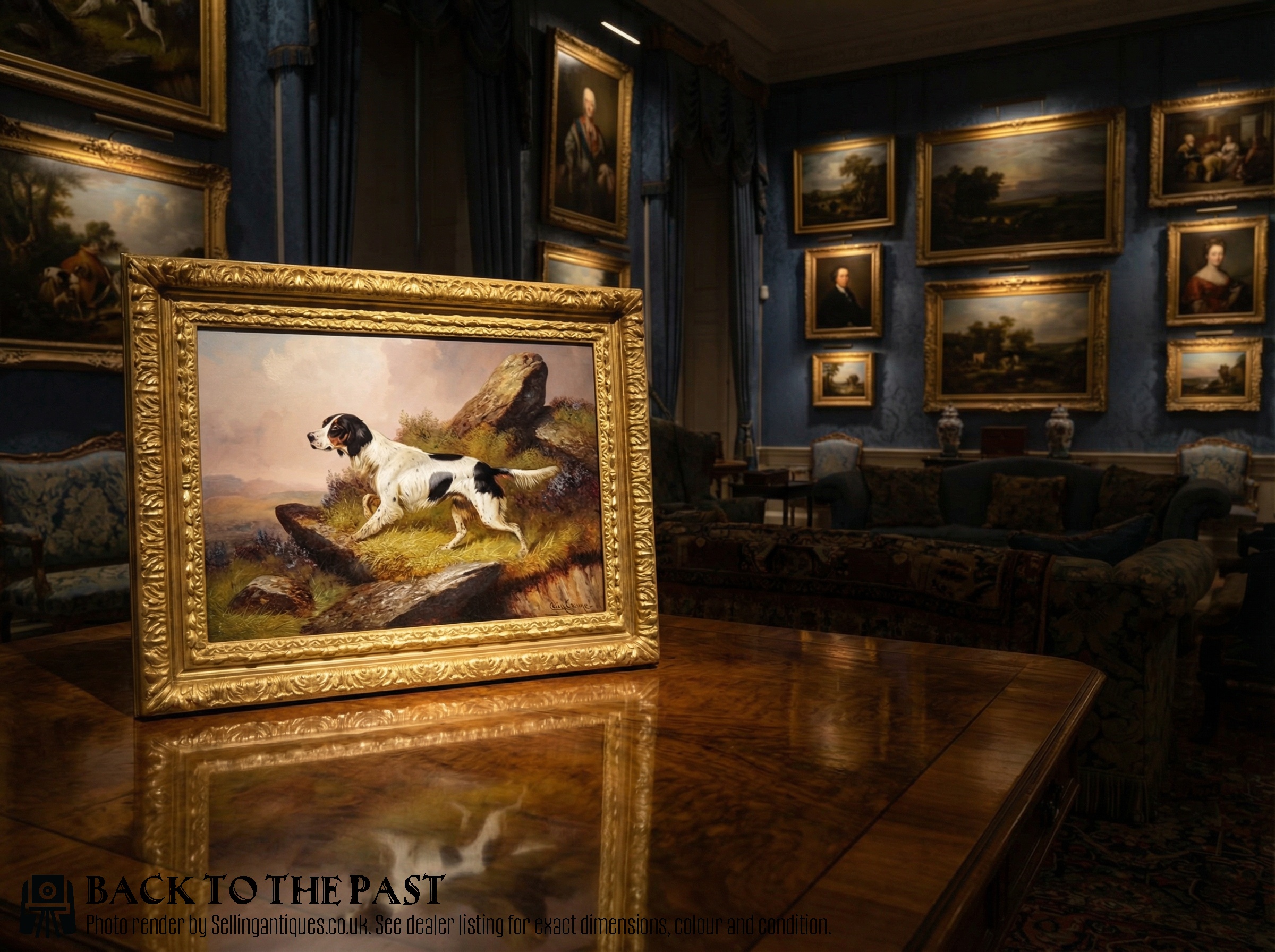
A victorian dog oil painting brings nineteenth-century domestic companions, working gundogs, and prize champions onto the wall with remarkable directness. These works range from intimate bust portraits of spaniels and collies to dynamic scenes of terriers ratting in barns or hounds traversing snowy Scottish moors.
Most pieces on this page stem from the broader Victorian era and the nineteenth century, capturing distinct breeds such as rough collies, bulldogs, pugs, and setters. Buyers frequently encounter both solitary animal studies and complex multi-dog compositions set within landscapes or interiors.
Makers and subjects bridge the gap between working life and aristocratic sporting pursuits, reflecting a period when canine portraiture held immense cultural significance. Whether depicting a solitary spaniel or a prized greyhound racing champion, each canvas preserves a specific animal's personality alongside period artistic conventions.
Materials and construction
Every victorian dog oil painting relies upon traditional applications of oil paint spread across stretched canvas substrates. Wood provides the structural support for strainers and stretchers, while foundational grounds prepare the woven textile to receive pigments.
Original framing relies heavily upon wood, gesso, and gold leaf or giltwood to create ornate decorative borders. Moulded gesso ornaments applied to wooden mouldings complete the gilded frames that typically accompany these nineteenth-century fine art pieces.
Retail Price Guide 2026
Typical UK retail prices for victorian dog oil painting, calculated from the Sellingantiques database of over a million retail prices indexed since 2003. This retail price guide relies exclusively on Sellingantiques data; no external sources or auction records are used, so the figures do not describe the wider market.
Recorded materials across the archive demonstrate a consistent reliance on oil paint, canvas, wood, gesso, and gold leaf.
Assessing quality in nineteenth-century canine art
The distinction between standard decorative works and superior examples rests upon anatomical precision, brushwork fluidity, and the psychological depth of the animal subject. Master painters capture bone structure, muscle movement, and light within the fur with a sure hand that elevates the canvas beyond mere record-keeping.
Context and setting also define the upper tier of these works, where dogs are integrated seamlessly into detailed landscapes or authentic interior spaces rather than flat backgrounds. The condition of the original giltwood and gesso frame further contributes to the overall integrity of the piece.
B A Howe·John Trivett Nettleship·Colin Graeme Roe·Valentine Thomas Garland·Charles Dudley·J Langlois·Sir Edwin Landseer
The Victorian Dog Oil Painting Glossary
- Oil on Canvas
- A painting medium where pigments suspended in drying oil are applied to a woven fabric support. This combination forms the primary medium for nineteenth-century fine art paintings.
- Giltwood
- Wood that has been coated with a thin layer of gold leaf or gold paint. Frames utilising this technique provide the traditional metallic border for Victorian canvases.
- Gesso
- A paint mixture consisting of a neutral binder mixed with chalk, gypsum, or pigment. It serves as a smooth preparation layer on wooden frames before gilding.
- Sporting Art
- Depictions of hunting, shooting, racing, and animals associated with field sports. This genre encompasses many nineteenth-century dog paintings.
- Stretcher
- The wooden frame that holds a canvas taut. Period works utilise wooden joinery characteristic of nineteenth-century framing techniques.
Frequently Asked Questions
What subjects appear most often?
Canvases typically portray individual pets, working terriers, gundogs, and prize-winning champions in various settings.
Scenes range from solitary head studies to active groupings including ratting terriers and hounds in snow.
How do I date these paintings?
Dating relies on stylistic markers, costume elements in figurative pieces, and framing techniques characteristic of the nineteenth century.
Signed works or inscriptions on the reverse often provide specific years or decades of creation.
Where were these displayed originally?
Owners hung these portraits in country houses, libraries, and Victorian parlours to celebrate working animals and beloved pets.
Their placement reflected the high social status of sporting pursuits and domestic companionship during the period.
Are original frames important?
Original giltwood and gesso frames contribute significantly to the historical integrity and visual presentation of the artwork.
Matching the frame's wear and construction style to the canvas period helps confirm authenticity.