
Victorian Animal Oil Painting
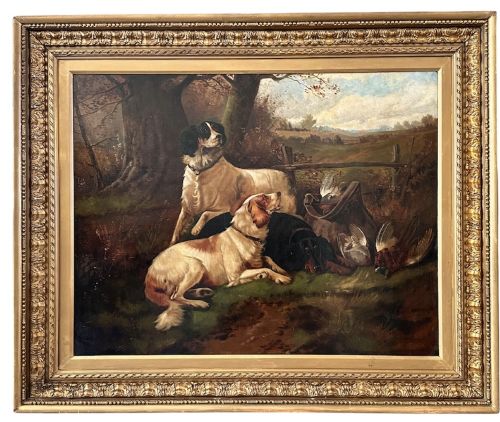
When you search for a victorian animal oil painting, you find works capturing livestock, working dogs and farmyard scenes rendered in oil.
Victorian Animal Oil Painting
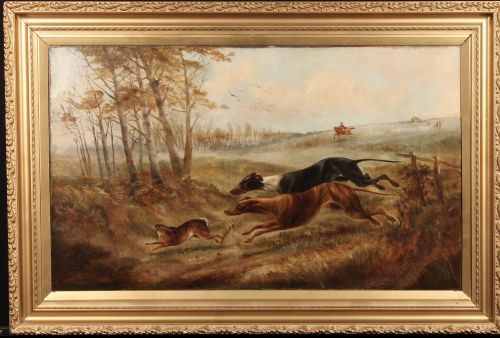
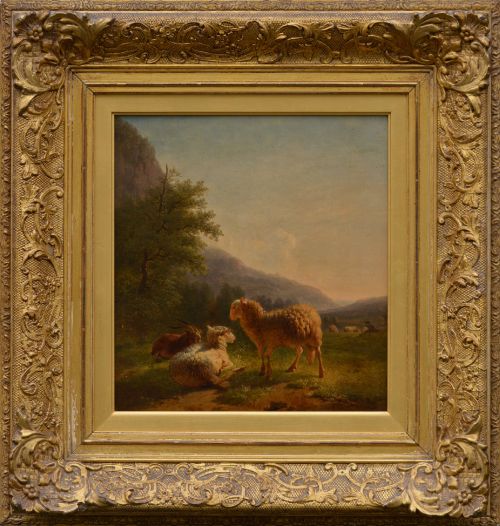
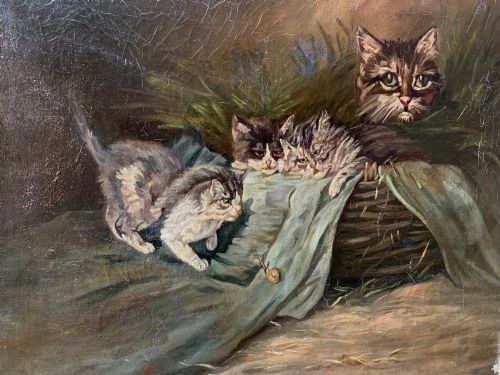
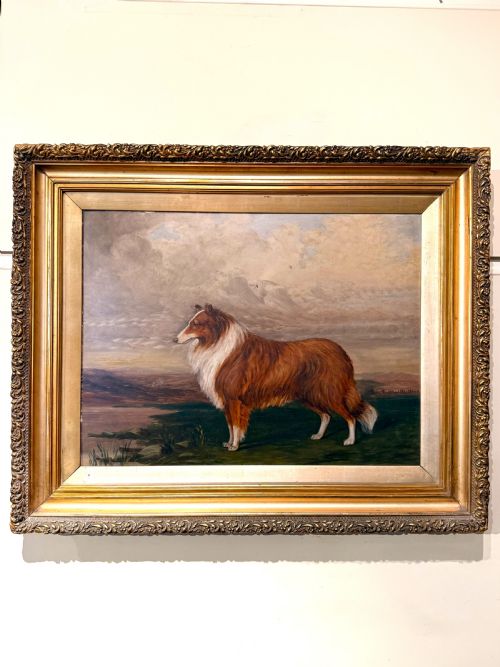
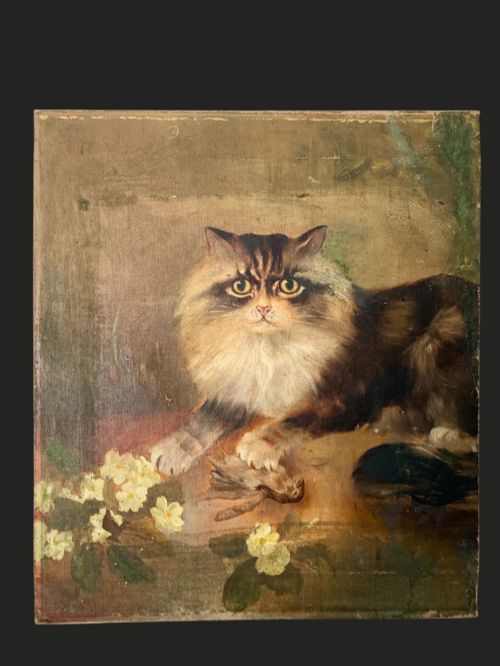
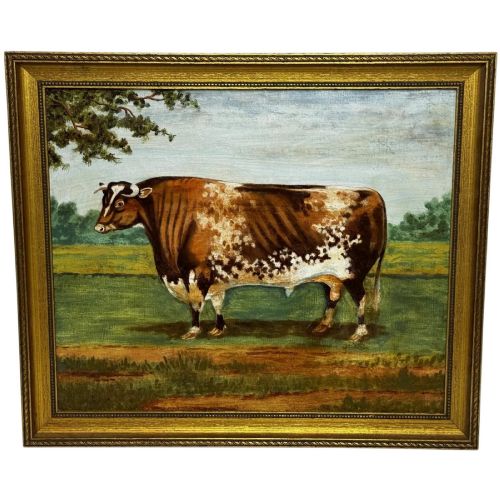
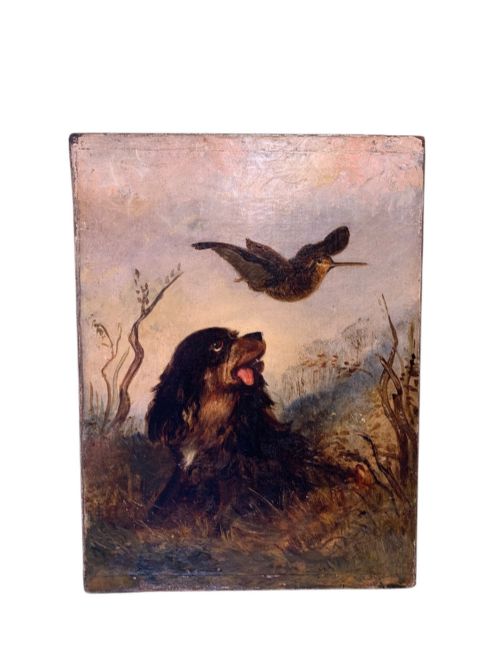
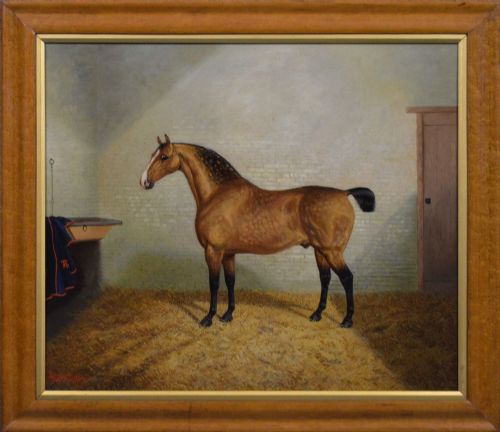
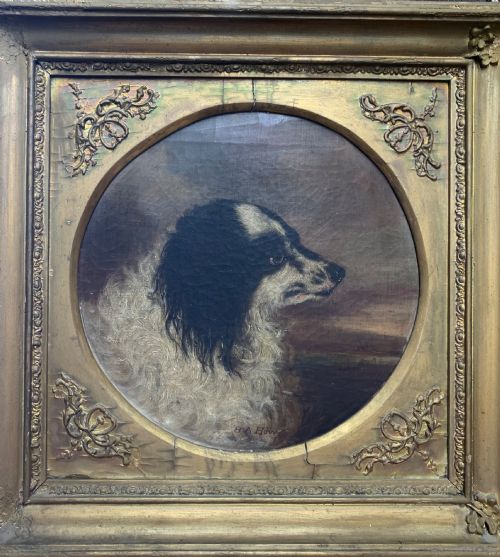
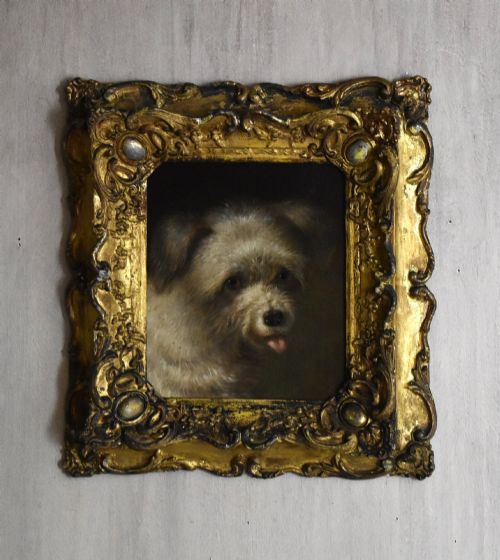
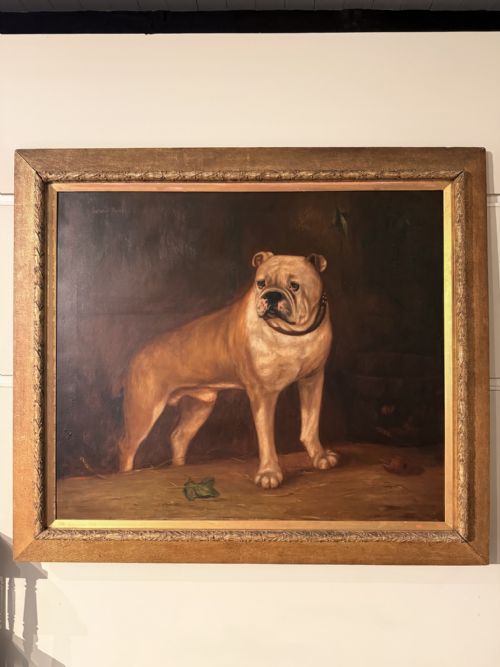
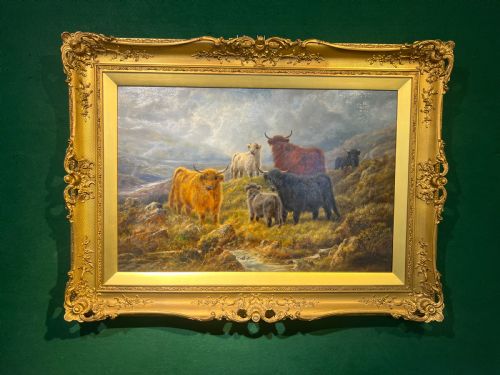
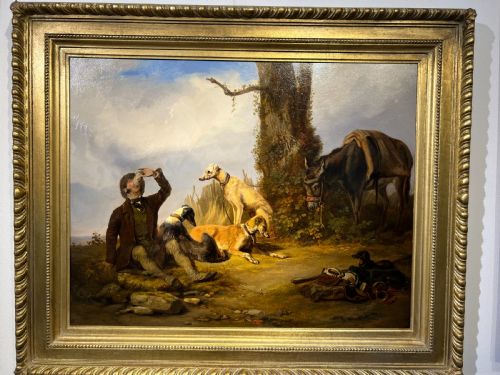
A victorian animal oil painting brings nineteenth-century rural life and prized livestock directly into a room, recording bulls, sheep, horses and domestic pets with distinct character. These works range from naive school feline portraits and sporting dog studies to grand equine canvases and sweeping Highland cattle landscapes.
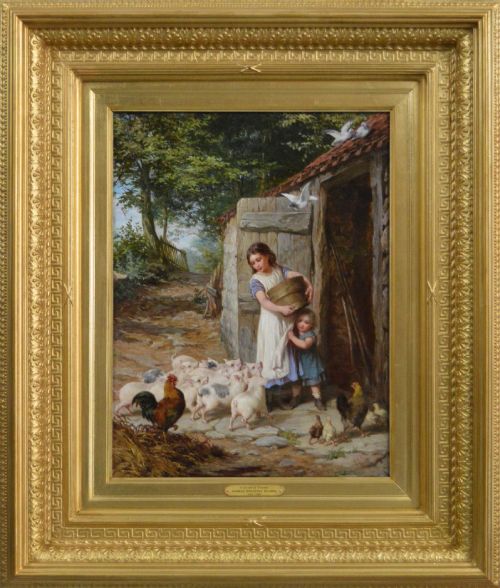
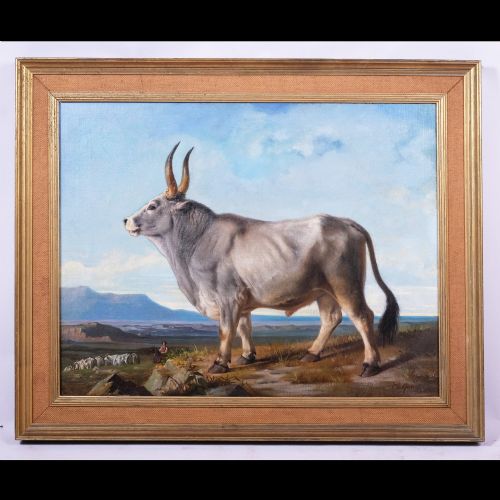
The subjects reflect a society deeply connected to agriculture and sporting pursuits, spanning depictions of working spaniels, farmyard poultry and prized shorthorn bulls. Most pieces date from the nineteenth century, utilising canvas or board supports enclosed in period frames.
Collectors encounter diverse British and continental European schools, including Belgian and French artists alongside domestic painters. Works frequently capture specific animals owned by landed gentry or simple farmyard scenes depicting daily rural routines.
Materials and construction
Painters relied primarily on oil paint applied to stretched canvas or wooden panels, capturing fine details in fur, feather and hide through layered brushwork. Many surviving examples retain their original gesso and giltwood frames, which often incorporate elaborate moulded ornamentation and gold leaf gilding.
The physical build of these works combines traditional joinery in the wooden stretcher frames with heavy plasterwork frames designed to complement the rich palettes of the nineteenth-century compositions.
Victorian Animal Oil Painting Retail Price Guide 2026
Typical asking prices for victorian animal oil painting among the pieces listed under this phrase on Sellingantiques today, from the lower quarter to the upper quarter. They describe what is for sale here now, not the wider market.
Several canvases capture cows, kittens and monkeys sharing domestic and farmyard spaces with surprising Victorian theatricality.
Assessing quality in the works
Quality rests heavily on the anatomical precision of the subject and the artist's ability to render texture in coats, manes and landscapes. Stronger pieces display confident brushwork and individual character in the animal, whereas weaker examples rely on stiff repetition and flat backgrounds.
The preservation of the original giltwood frame and the clarity of the oil surface significantly influence the overall integrity of the piece. Works retaining documented provenance or attribution to known nineteenth-century animaliers command particular attention from collectors.
George Armfield·Eugène Verboeckhoven·Albert Clark·Martin Theodore Ward·George Augustus Holmes·John Sargent Noble·Robert Watson·Sir Edwin Henry Landseer·Fred Fitzpatrick·Edgar Hunt·William Watson Jnr·Henry Schouten·Claude Cardon·John Emms·Henry Robinson Hall·William Henry Mander·Thomas Sidney Cooper·Franz van Severdonck·George Lance·John Frederick Herring Jnr·William Barraud·Samuel Joseph Clark
The Victorian Animal Oil Painting Glossary
- Giltwood
- Wood carved and coated with gold leaf or metallic paint to create a decorative frame. These frames are typical companions for nineteenth-century oil paintings.
- Gesso
- A plaster-like mixture applied to wooden frames as a base for gilding. It allows for intricate moulded reliefs around the painting border.
- Oil on Canvas
- Pigment mixed with drying oil applied to a woven fabric stretched across a wooden frame. This medium defines the vast majority of nineteenth-century fine art.
- Naive School
- Art produced by painters with little or no formal academic training, resulting in charmingly direct perspectives and unpretentious representations.
- Sporting Art
- Genre depicting field sports, hunting dogs, horses and livestock. These paintings celebrate rural pursuits and prized animal breeding of the period.
Victorian Animal Oil Painting: Frequently Asked Questions
What subjects appear most often?
The subjects focus heavily on domesticated and working animals, including sheep, cattle, horses and various dog breeds. Farmyard scenes featuring poultry and pigs also recur across the period.
Artists frequently placed these animals within detailed landscapes, ranging from Scottish highlands to pastoral meadows and stable interiors.
How do I care for an oil painting?
Keep the artwork away from direct sunlight and dramatic fluctuations in temperature and humidity to protect the canvas and paint layers. Avoid using water or chemical cleaners on the painted surface.
Dust the giltwood frame gently with a soft, dry brush. Professional conservators should handle any deeper cleaning or canvas repairs.
Are original frames important?
Original giltwood and gesso frames contribute significantly to the historical integrity and visual harmony of a nineteenth-century artwork. They provide context regarding how the piece was displayed.
Frames often feature maker stamps or specific moulding styles that help date the ensemble. Matching a period frame to a canvas enhances its presentation.
How can I tell periods apart?
Dating relies on stylistic shifts in clothing, landscape rendering, frame construction and the specific pigments used by nineteenth-century artists. Earlier works often show romantic influences, while late-century pieces lean towards realism.
Signatures, dates inscribed on the canvas reverse, and biographical details of the painter provide the most reliable chronological anchors.