


19th Century Sheep Painting
These nineteenth century sheep paintings capture pastoral life through detailed canvases and watercolours that bring rustic charm to any interior.
19th Century Sheep Painting
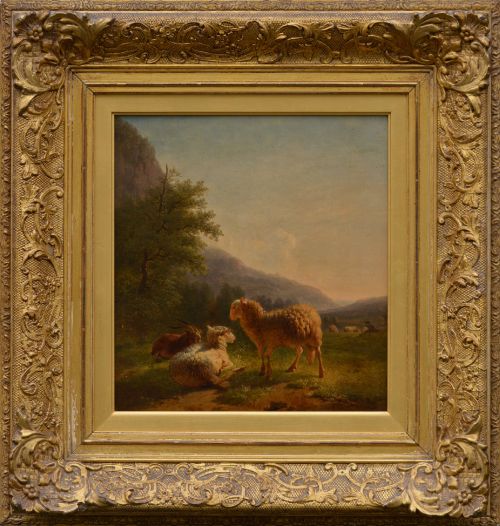
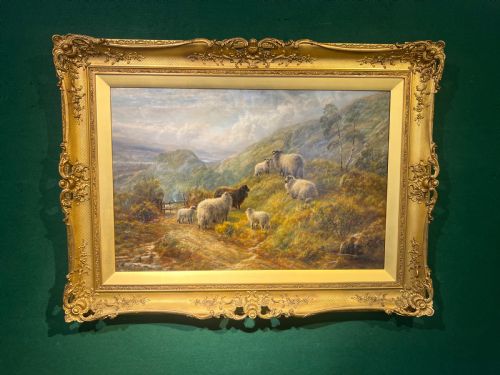
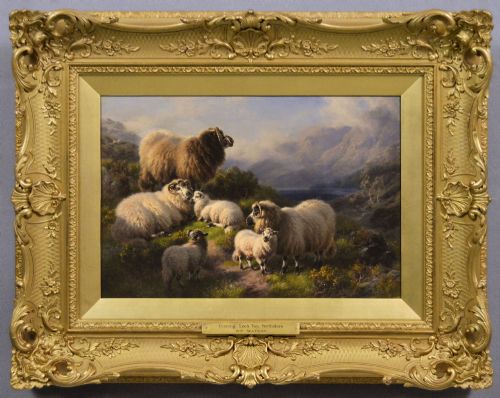
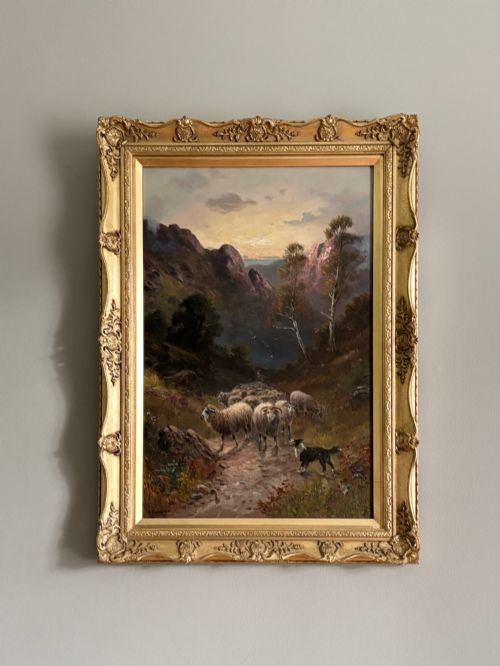
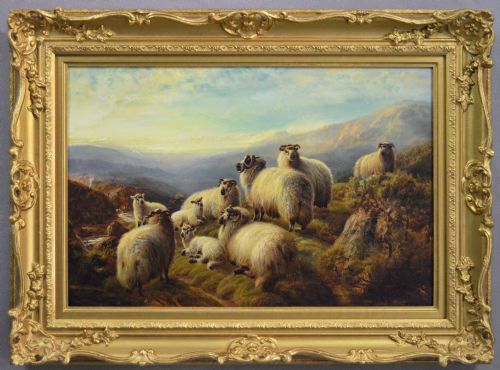
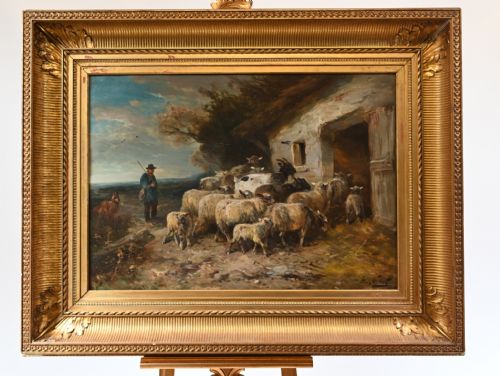
A nineteenth century sheep painting typically depicts flocks grazing in open countryside, rugged moorlands, or sheltered by barns in rural landscapes. These works reflect a widespread Victorian fascination with naturalism, fine art realism, and the peaceful realities of agricultural life.
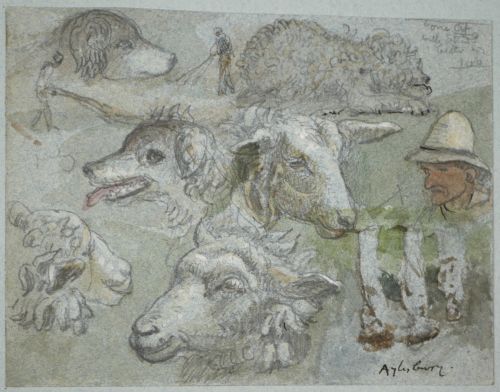
Buyers will most frequently encounter oil on canvas compositions alongside delicate paper watercolours created across Britain and continental Europe. Many pieces combine these animals with wider views of Scottish highlands, English lanes, or coastal cliffs.
The subjects range from quiet twilight gatherings of sheep and lambs to sweeping pastoral vistas featuring shepherds tending their flocks. Such works form a core category of nineteenth century fine art that connects modern homes with historical countryside traditions.
Canvas, Pigment, and Paper
Artists primarily applied oil paints onto stretched canvas or wooden panels, building rich textures and deep tones for atmospheric landscapes. Watercolour works on paper utilise fluid washes to capture the soft light of dawn or sunset across hills and valleys.
Finished paintings are frequently housed within ornate frames constructed from carved giltwood, gesso, or wood that complement the traditional pastoral subject matter.
19th Century Sheep Painting Retail Price Guide 2026
Typical asking prices for 19th century sheep painting among the pieces listed under this phrase on Sellingantiques today, from the lower quarter to the upper quarter. They describe what is for sale here now, not the wider market.
Listings feature works spanning from the early nineteenth century through to the Edwardian period, executed in oil on canvas and watercolour on paper.
Execution and Composition
Quality in these artworks rests upon the precision of the animal drawing, the naturalism of the landscape, and the handling of light and atmosphere. Superior examples display careful anatomical rendering of the sheep and thoughtful integration of the flock into the surrounding topography.
The distinction between standard works and master pieces also involves the depth of provenance, the clarity of artist signatures, and the preservation of the original giltwood or gesso framing.
Eugène Verboeckhoven·Thomas Sidney Cooper·Robert Watson·William Sydney Cooper·Charles Jones
The 19th Century Sheep Painting Glossary
- Oil on Canvas
- Pigment mixed with drying oils applied to a woven fabric support. This technique allows for rich colour blending and lasting durability.
- Watercolour
- Pigments suspended in a water-soluble vehicle applied to paper. It produces translucent washes suited to delicate atmospheric effects.
- Giltwood
- Wood carved and coated with a thin layer of gold leaf or gilt finish. Frames of this material enhance the visual presence of pastoral paintings.
- Pastoral
- A genre of art depicting rural life, shepherds, and domesticated animals in natural landscapes. These scenes emphasise tranquility and agricultural harmony.
- Gesso
- A plaster-like mixture applied to wood or canvas as a base for paint or gilding. It provides a smooth surface for ornate frame mouldings.
19th Century Sheep Painting: Frequently Asked Questions
Where were these paintings displayed originally?
Nineteenth century households hung pastoral scenes in formal reception rooms and parlours to project an appreciation for the countryside and domestic tranquility. Wealthy collectors and agrarian enthusiasts favoured these artworks to bring the perceived peace of rural life indoors.
Today, these pieces serve a similar decorative purpose in modern living spaces, pairing well with traditional or transitional interior schemes.
How do I care for a nineteenth century oil painting?
Protect oil on canvas works by avoiding direct sunlight, which can fade pigments and degrade varnishes over extended periods. Maintain stable indoor humidity levels to prevent the canvas or wooden panel from warping.
Dust the surface gently with a soft, dry brush and consult a professional conservator if cleaning or frame restoration becomes necessary.
What distinguishes Scottish highland scenes from English countryside views?
Scottish highland compositions typically feature more rugged terrain, dramatic mountain backdrops, and hardy sheep navigating rocky moorland or snow. English countryside views more often display gentle rolling hills, pastoral meadows, and quiet lowland lanes near farmsteads.
Both regional styles share a commitment to naturalism but offer distinct atmospheres for collectors.
How can I tell watercolours apart from oil paintings?
Waterworks on paper present a flat, translucent surface beneath protective glass, often showing the fine texture of the underlying paper sheet. Oil paintings feature textured brushstrokes and visible paint layers upon a heavier canvas or wooden board.
Examining the piece closely under proper lighting reveals these foundational differences in material application.