
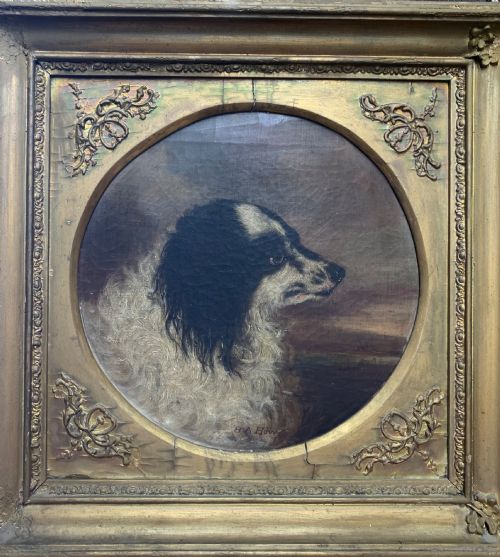
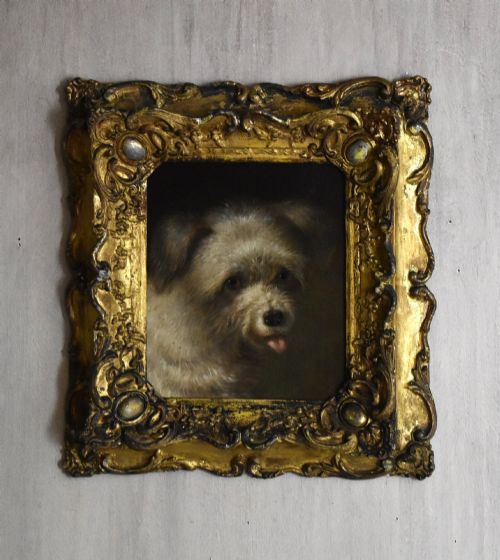
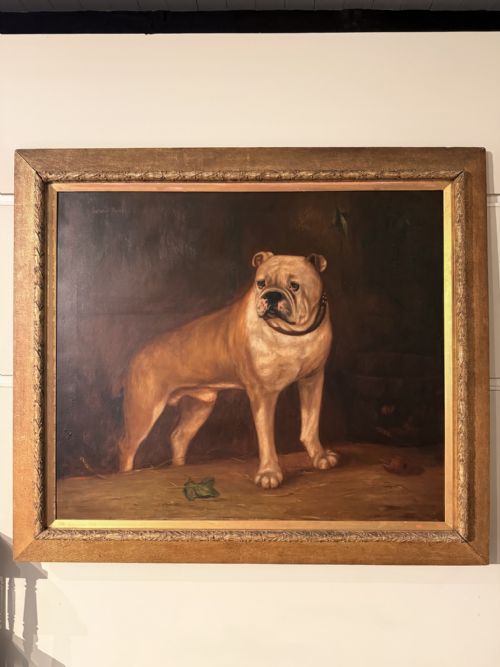
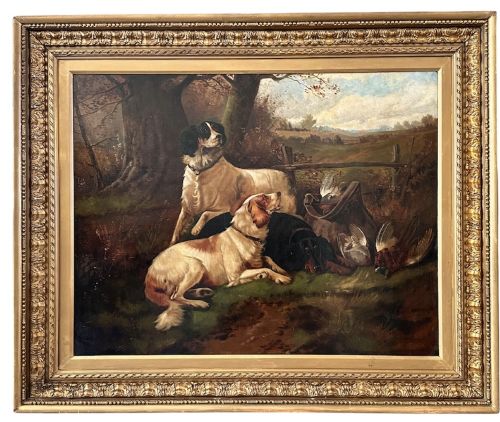
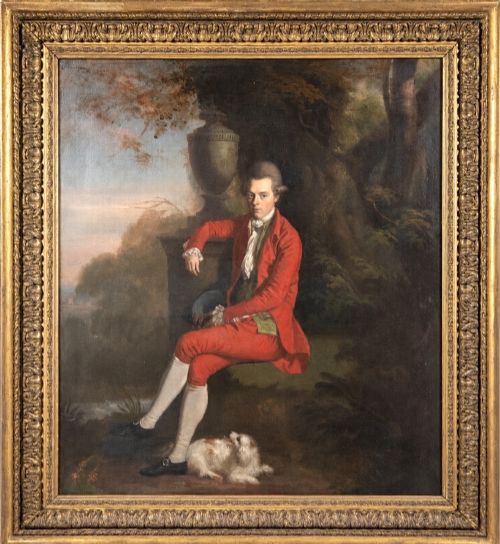
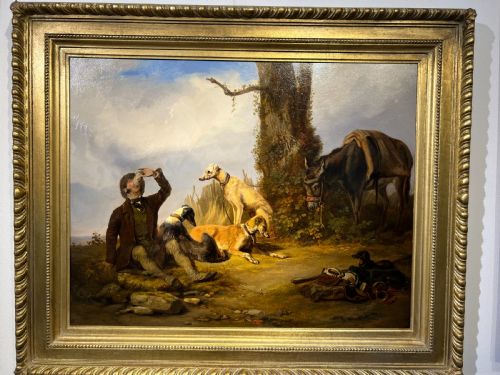

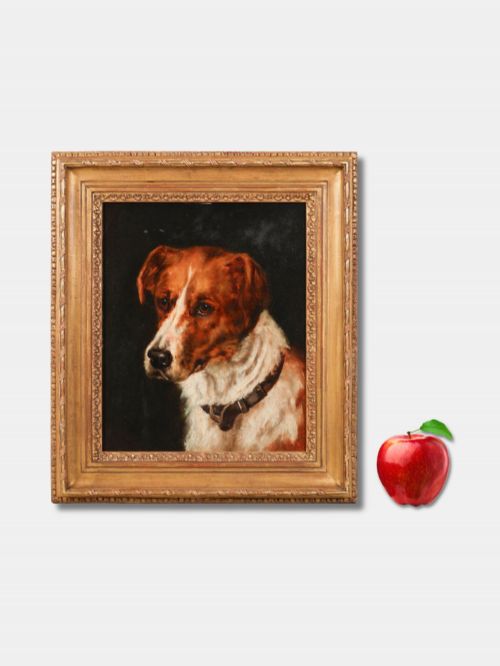
Gilt Framed Dog Painting
A gilt framed dog painting brings the presence of nineteenth-century sporting life and portraiture straight into a room.
Gilt Framed Dog Painting
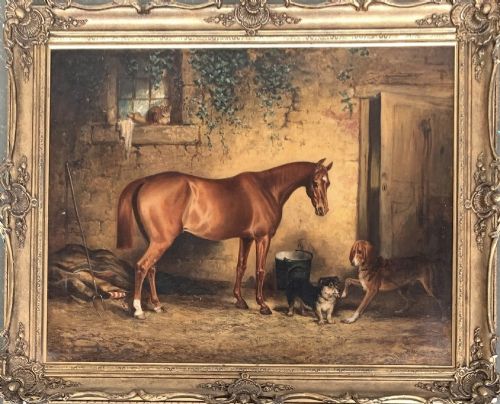
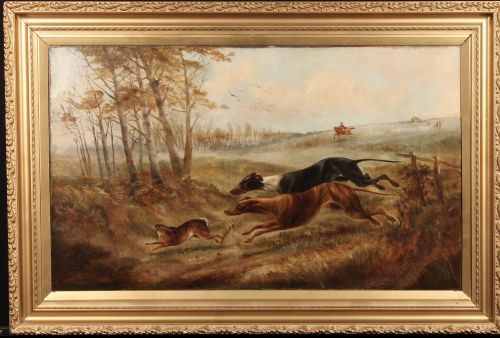
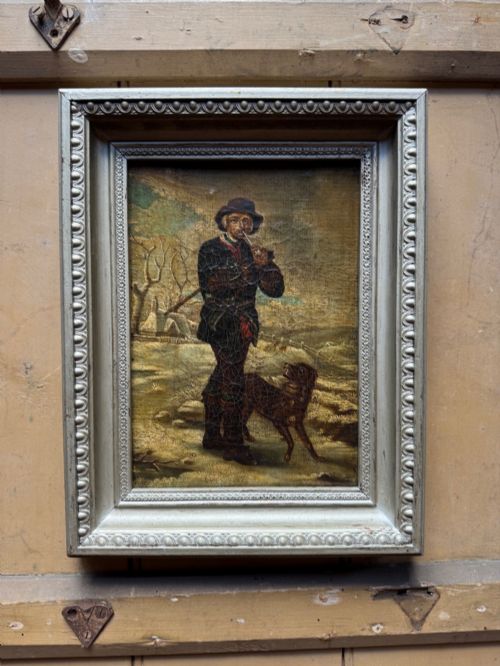
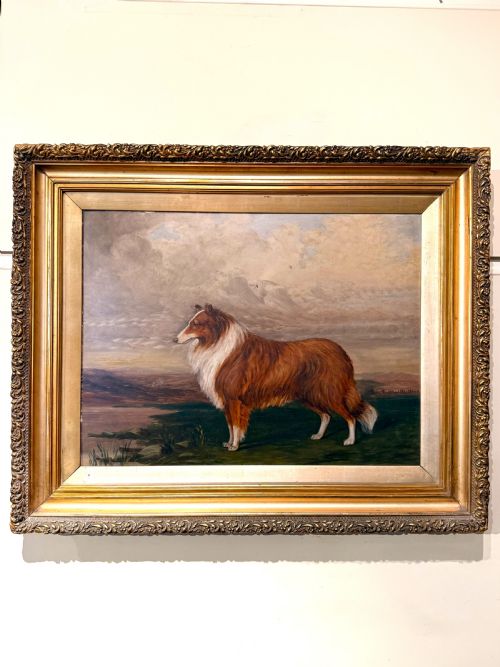
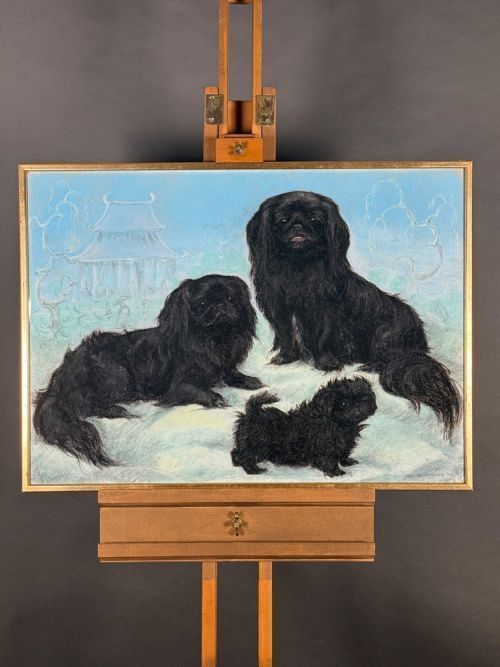
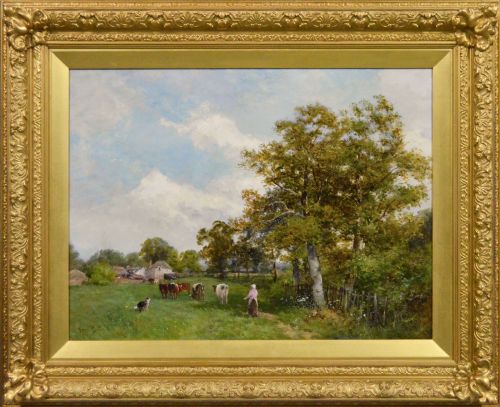
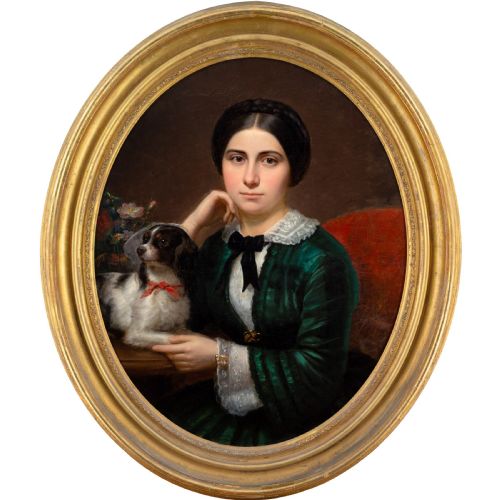
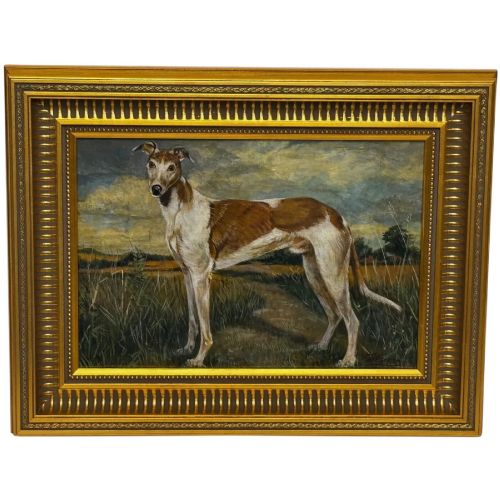
A gilt framed dog painting captures canine subjects in oils or pastels, often set within nineteenth-century landscapes or domestic interiors. The selection spans Victorian sporting art, naive works, and formal portraiture of specific breeds and hunt packs.
Buyers encounter oil on canvas, oil on board, and pastel on paper enclosed within wooden surrounds finished in gold leaf or gilt. The pieces range from intimate studies of terriers and spaniels to large canvases depicting gun dogs and hounds.
How they were made
The physical objects combine stretched canvas or timber boards with oil paint layers applied by brush. Canvases are secured inside carved wooden frames finished with layers of gold leaf, gilt, or gilded wood.
Support structures utilise traditional joinery for the frames, while the pictorial surfaces rely on oil paint mixed with binders to achieve depth in animal coats and surrounding landscapes.
Gilt Framed Dog Painting Retail Price Guide 2026
Typical asking prices for gilt framed dog painting among the pieces listed under this phrase on Sellingantiques today, from the lower quarter to the upper quarter. They describe what is for sale here now, not the wider market.
Several canvases record dogs caught in the act of stealing food from household baskets.
What varies in quality
The standard of execution in animal anatomy, eye expression, and brushwork distinguishes accomplished studio pieces from naive or provincial examples. Proportions in the animal subjects and the depth of the background landscape reveal the hand of a trained painter.
The preservation of the original gilt frame and the stability of the canvas or board determine the overall integrity of the piece. Period frames carrying original gold leaf hold a different character to later replacements.
Henry Barraud·George Armfield·David Bates·Martin Theodore Ward·John Sargent Noble·Sir Edwin Henry Landseer·C R Breytle·Claude Cardon·Frans Snyders·John Emms·John Frederick Herring Senior·LM Webb·Arthur Wardle·William Barraud·Colin Graeme Roe·Valentine Thomas Garland·John Trivett Nettleship·Edwin Frederic Holt·John Alfred Wheeler·Robert Cleminson
The Gilt Framed Dog Painting Glossary
- Giltwood
- Wood carved and surfaced with gold leaf or metallic powder. This material forms the primary structure of the decorative surrounds found on these works.
- Sporting Art
- Depictions of hunting, shooting, horses, and hounds. This genre forms a significant portion of nineteenth-century canine painting.
- Oil on Canvas
- Pigment suspended in drying oil applied to a woven fabric support. This technique provides the flexible base for the majority of historical works.
- Pastel on Paper
- Pulverised pigment compressed into stick form and marked onto a paper support. This medium yields a softer texture than oil paint.
Gilt Framed Dog Painting: Frequently Asked Questions
What periods do these dog paintings come from?
The listings span from the seventeenth century through the Victorian era into the mid-twentieth century. Most examples originate in the nineteenth century.
Victorian sporting art and nineteenth-century realism represent the core of the available pieces.
Are the frames original to the paintings?
Many works retain their period giltwood frames, whilst others feature later surrounds. The combination of gold leaf and wood reflects the framing conventions of the original period.
Examination of the rabbet and canvas edges helps determine the length of association between painting and frame.
What dog breeds appear in the art?
Common subjects include spaniels, terriers, collies, setters, pointers, hounds, and retrievers. Portraits range from working gun dogs to specific family pets.
Artists recorded both individual named animals and general hunting packs in landscape settings.
How should I hang a heavy gilt frame?
The weight of a wooden frame finished in gold leaf requires secure fixings into structural wall studs or appropriate masonry anchors. Wall hooks must match the poundage of the specific timber and canvas assembly.
Professional framing brackets distribute the load safely across the wall surface.