




Framed Dog Oil Canvas
When you search for framed dog oil canvas, you enter a world of Victorian realism, British sporting art, and painted companions captured in oil paint on canvas.
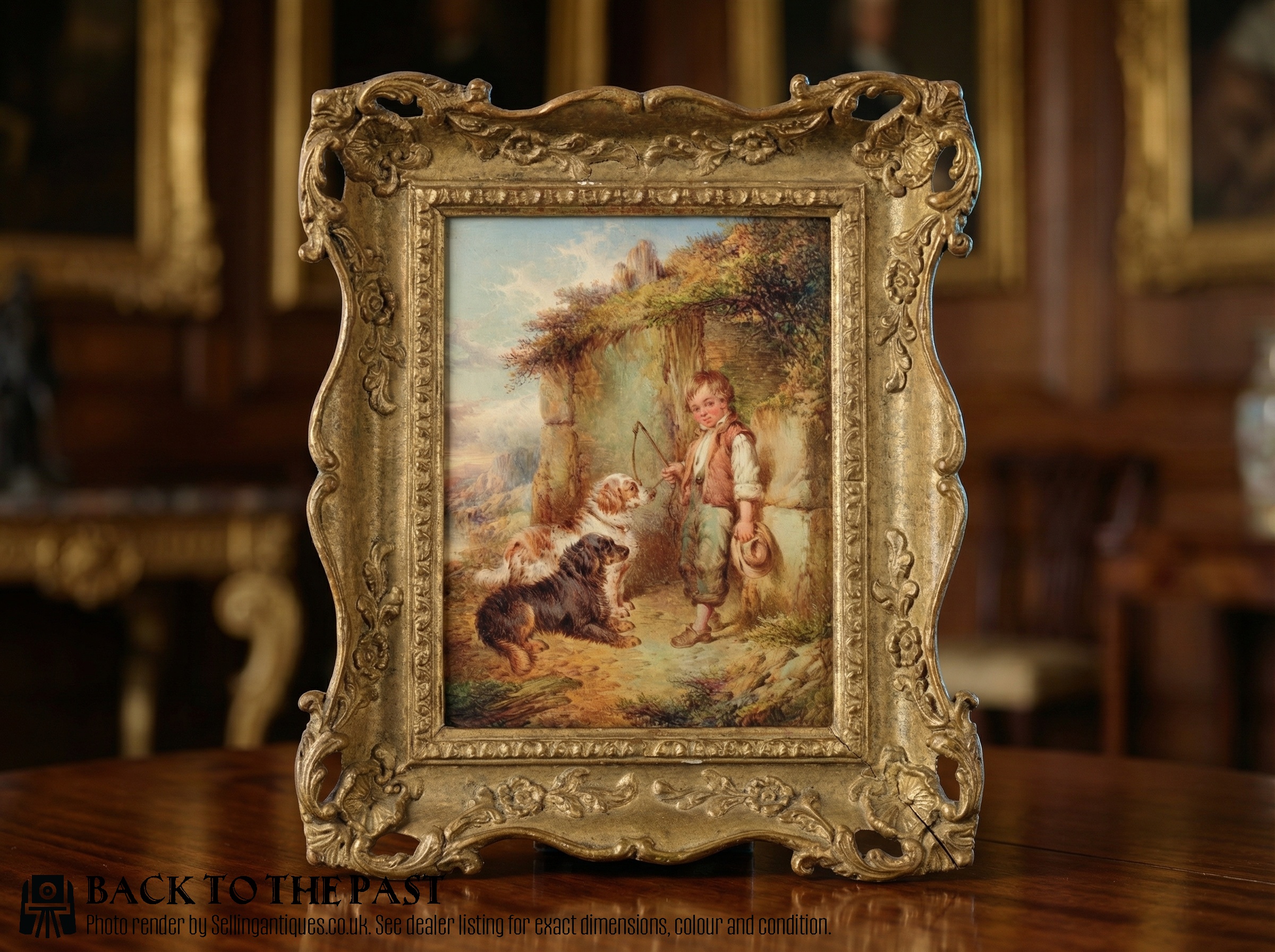
Framed Dog Oil Canvas
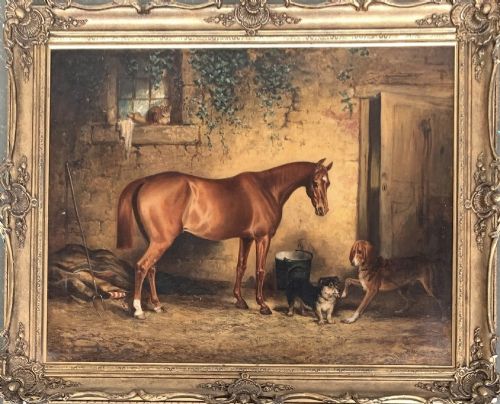
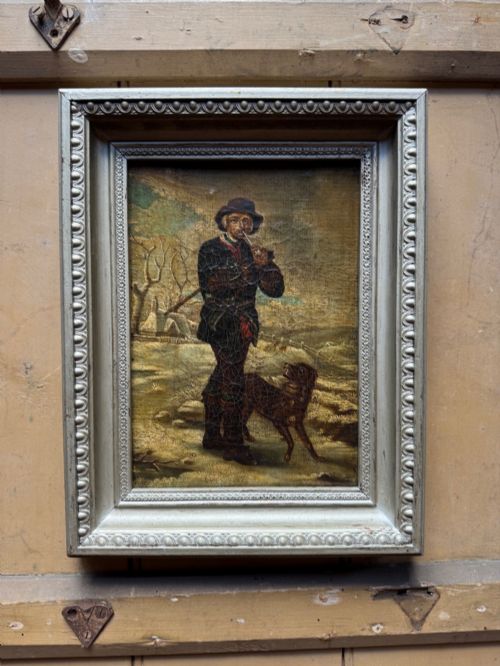
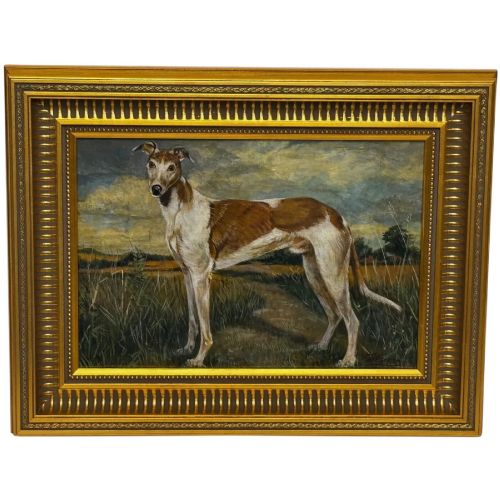
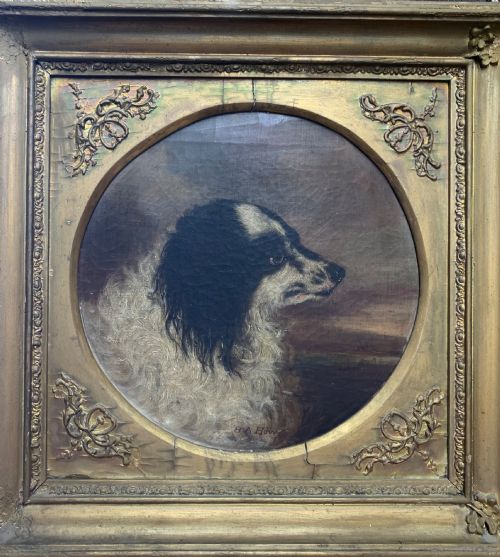
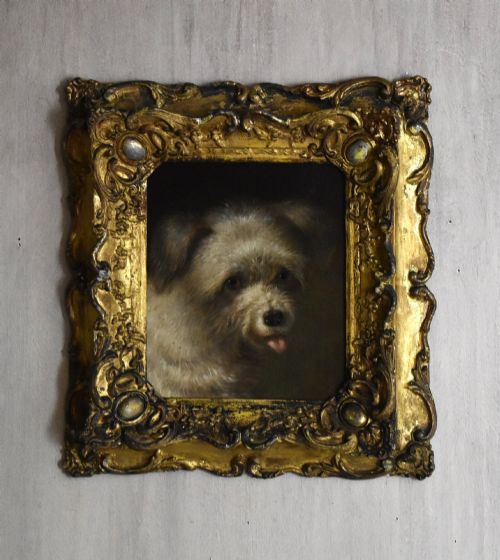
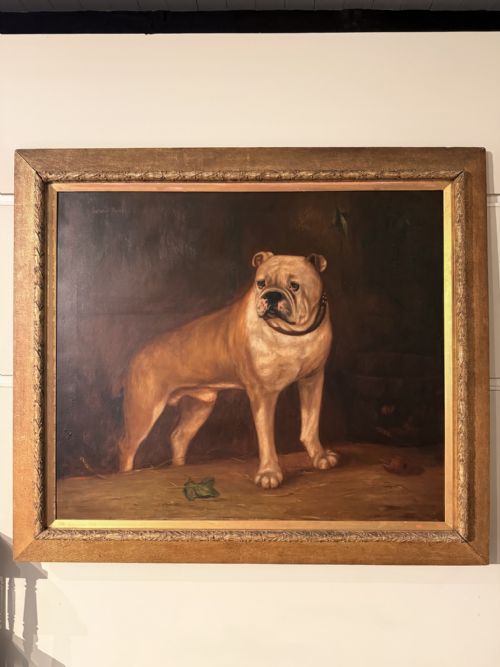
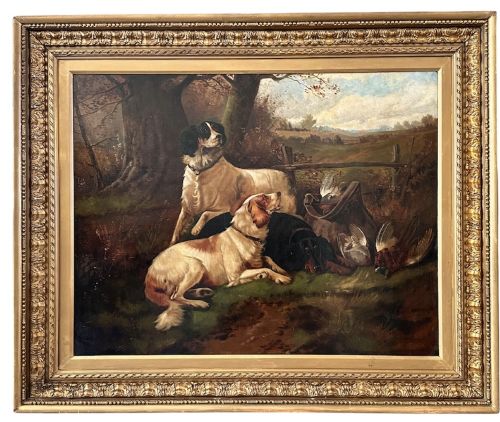
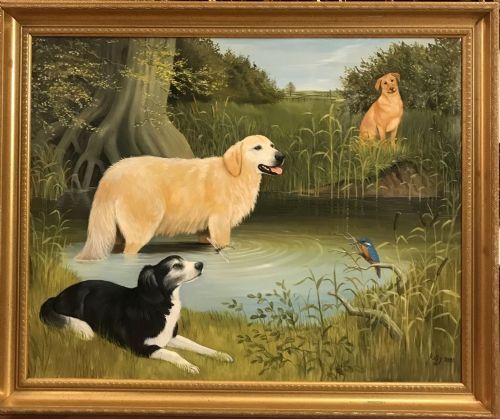
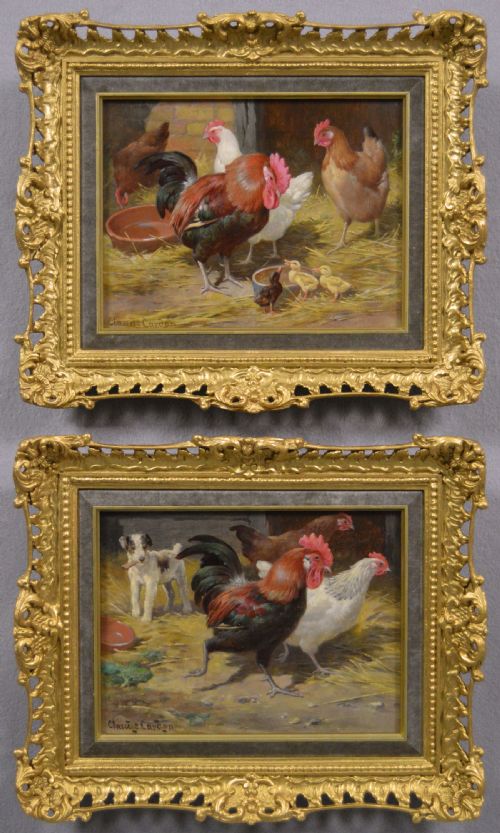
A framed dog oil canvas brings together centuries of canine portraiture, from individual studies of spaniels and collies to larger sporting scenes involving hounds and terriers. These works span the nineteenth century into the twentieth, capturing specific breeds and beloved family pets through the lens of academic skill or naive charm.
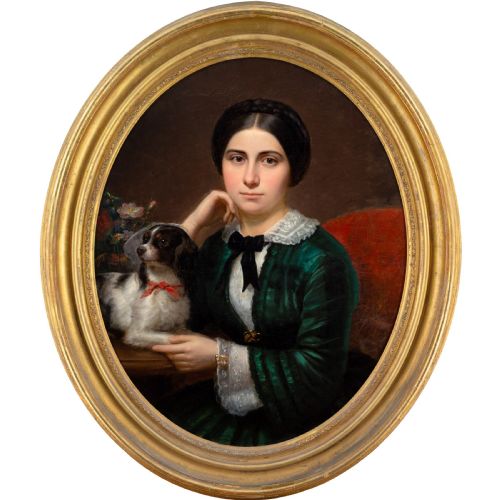
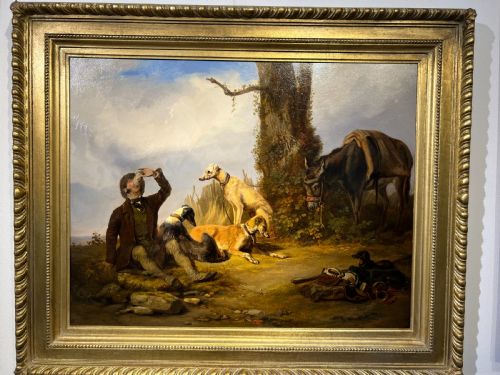
The predominant examples on this page belong to the Victorian era and the broader nineteenth century, reflecting a period when animal painting achieved significant popularity. Artists recorded working dogs, lapdogs, and hunting companions within domestic interiors or rural landscapes, mounted in period frames of wood and giltwood.
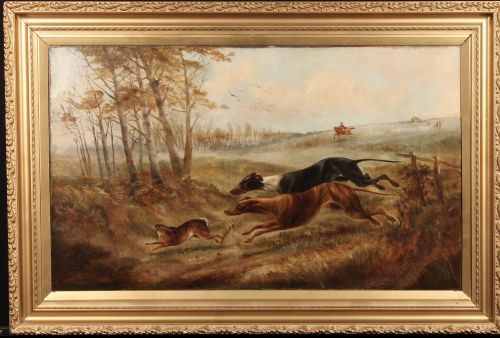
Beyond formal portraiture, the selection includes sporting art depicting gun dogs with the day's bag or hounds on a hunt. Each piece preserves a historical record of human and animal relationships, executed in oil paint upon canvas and secured within original or period-appropriate frames.
Factors determining quality
Quality in a framed dog oil canvas rests primarily upon the draughtsmanship of the animal's anatomy and the expressive capture of its character. A superior painting demonstrates a secure grasp of bone structure under the coat, convincing light play across the fur, and a harmonious balance between the subject and its background.
The skill of the brushwork distinguishes ambitious salon pieces from simpler naive or decorative works. Furthermore, the preservation of the original canvas surface, minimal restoration, and the presence of a period-matching gilt or wood frame contribute substantially to the standing of the piece.
Canines on canvas frequently outgrew their owners in dignity, maintaining a solemn posture through centuries of changing fashions.
Henry Barraud·George Armfield·Valentine T Garland·David Bates·Martin Theodore Ward·John Sargent Noble·Sir Edwin Henry Landseer·C R Breytle·Claude Cardon·Frans Snyders·John Emms·LM Webb·William Barraud·George E Sharpe·Colin Graeme Roe·John Trivett Nettleship·John Horsburgh·Fannie Moody
The Framed Dog Oil Canvas Glossary
- Oil on Canvas
- A painting medium where pigments are suspended in a drying oil, applied to a stretched woven fabric support. This combination permits subtle blending and rich textural depth.
- Giltwood
- Wood that has been coated with a thin layer of gold leaf or gilt powder over a prepared base. It provides a luminous border that complements nineteenth-century portraits.
- Sporting Art
- A genre of art depicting blood sports, horses, dogs, and rural pursuits. These works often record prized animals and hunting expeditions.
- Naive Art
- Art produced by a person lacking formal academic training, characterised by a charming disregard for perspective and proportion. Such pieces possess a direct and honest appeal.
Framed Dog Oil Canvas: Frequently Asked Questions
How do I date a dog oil painting?
Dating relies on stylistic clues within the painting, such as the sitter's costume, the framing materials, and the canvas preparation methods. Examining the stretcher bars and any inscriptions or labels on the reverse often provides additional chronological evidence.
Artists' recorded working dates, clothing fashions, and the evolution of frame mouldings further narrow down the decade of creation. Comparing the technique to known works by the same school helps confirm the period.
What is British sporting art?
British sporting art encompasses paintings that celebrate rural pastimes, equestrian subjects, and hunting dogs at work. These works flourished in the eighteenth and nineteenth centuries, documenting prized animals and notable hunts.
Commissioned by landowners and sportsmen, these paintings served as records of valued companions and successful days in the field. They combine landscape painting with meticulous animal portraiture.
How should I care for an oil on canvas?
Keep canvas paintings away from direct sunlight, high humidity, and rapid temperature fluctuations to prevent the paint and canvas from cracking. Dust the surface gently with a soft, dry brush without applying pressure.
Avoid using water or cleaning solutions on the painted surface, as moisture damages traditional oil layers. Professional conservation is recommended for any cleaning or canvas tightening.
What is the difference between naive and academic dog art?
Academic dog art follows strict rules of anatomy, perspective, and lighting taught in formal academies, aiming for a lifelike representation. These pieces often come from established artists who specialised in animal portraiture.
Naive art originates from self-taught painters who prioritize expressive character over anatomical precision. These works offer a distinct, unpretentious charm that appeals to collectors seeking character.