

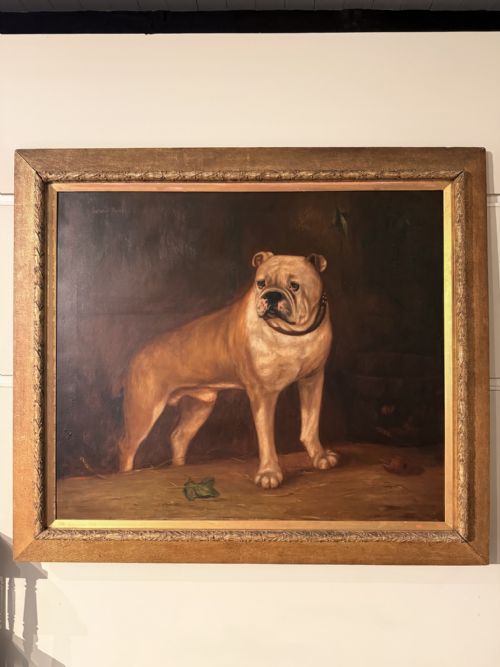
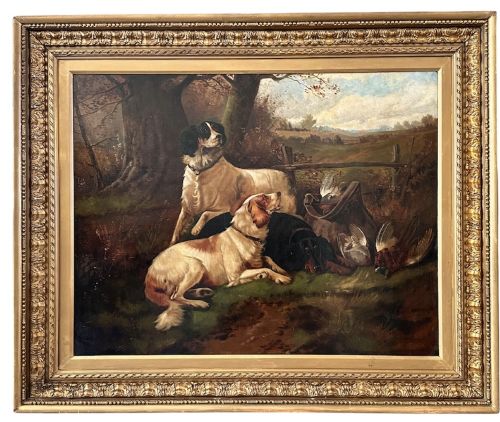
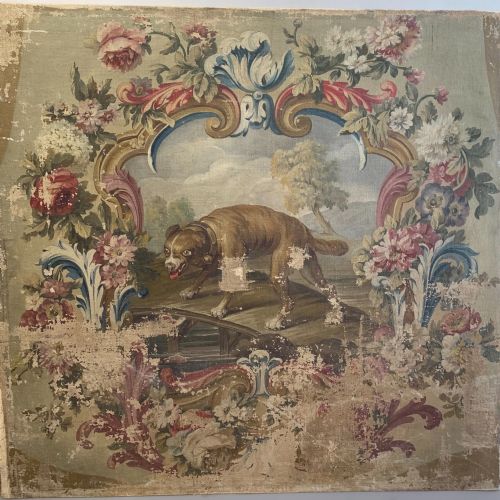
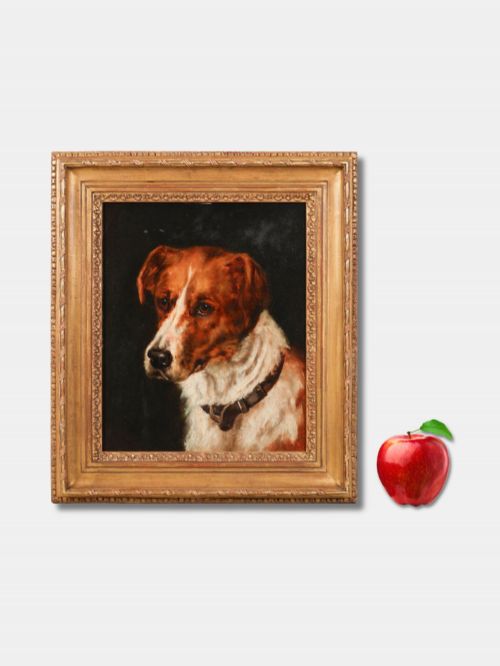
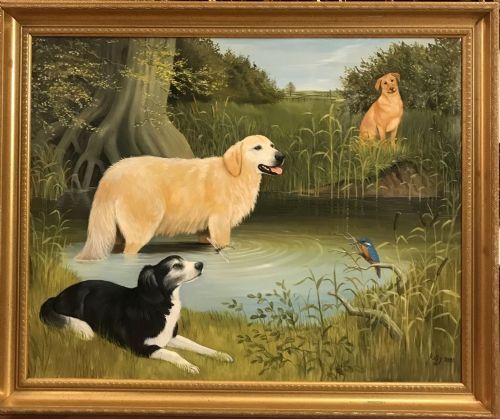


Antique Canine Oil Portrait
An antique canine oil portrait captures the character and stature of cherished dogs through enduring brushwork.
Antique Canine Oil Portrait
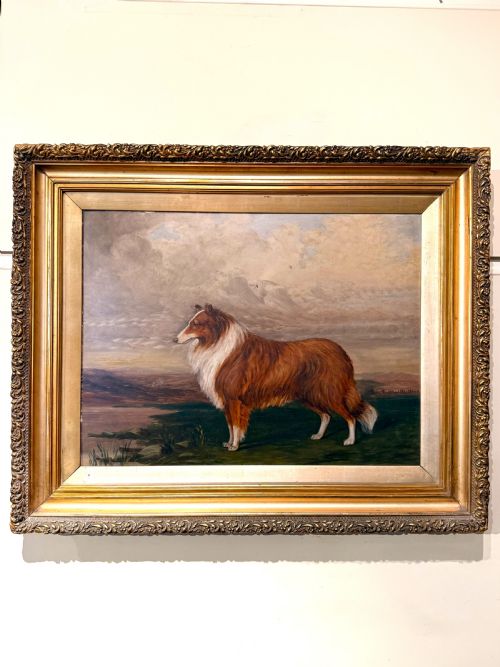
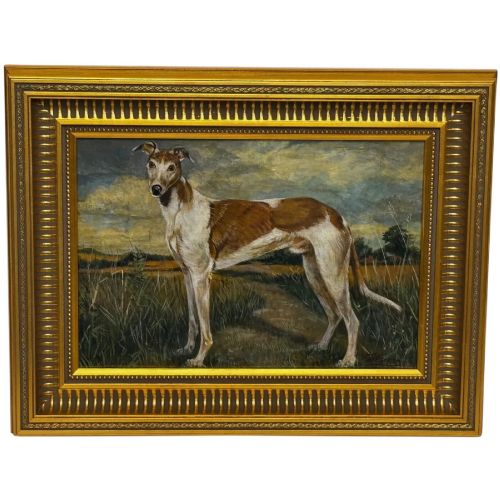
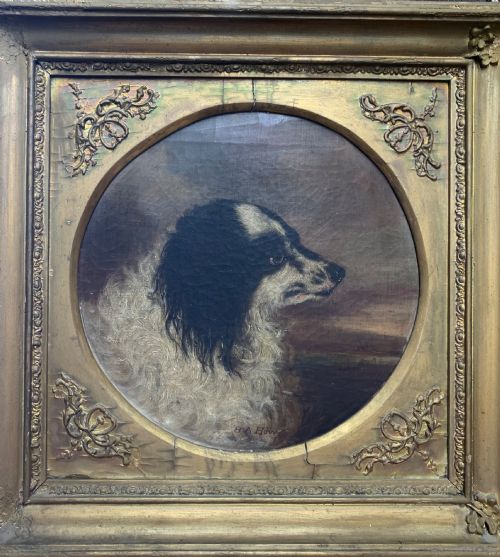
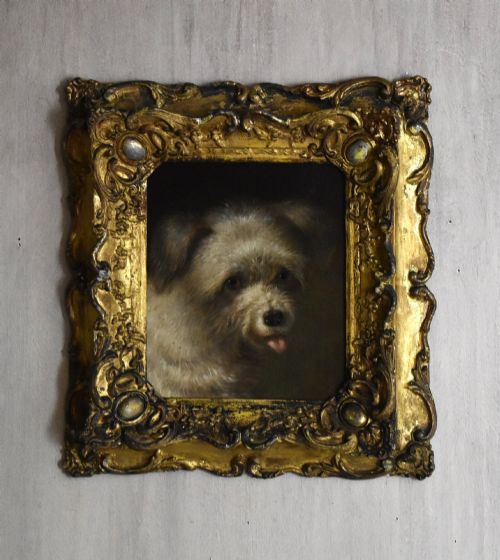
An antique canine oil portrait presents framed studies of hounds, terriers, and gun dogs originating predominantly from nineteenth century and early twentieth century periods. These works emerge from British and European artistic traditions, spanning formal Victorian fine art to regional naive school depictions.
Buyers commonly encounter representations of spaniels, setters, and collies rendered on canvas or board, often housed in original giltwood frames. The subjects range from individual champion hounds in landscape settings to intimate studies of family pets.
Materials and construction
Artists painted these works using oil paint applied to stretched canvas, wood panels, or artist boards, frequently framing the finished pieces in gilded wood or gilt frames. The physical composition relies on traditional layering techniques where pigment suspended in oil creates depth in the animal coats and background landscapes.
Support structures typically consist of wooden stretchers for canvas works or solid timber boards, occasionally displaying period inscriptions, signatures, or artist stamps on the reverse.
Common dog breeds appearing in these paintings include spaniels, terriers, collies, pointers, and various hunting hounds.
Assessing quality and execution
Quality rests upon the artist's ability to render anatomical precision, texture in fur, and individuality in the subject's expression rather than simple adherence to academic rules. Works by listed academic painters demonstrate superior handling of light and shadow compared to simpler naive school pieces.
The preservation of the original paint surface and the integrity of the period gilt frame significantly influence the standing of any given painting within its historical genre.
Valentine T Garland·Martin Theodore Ward·John Emms·John Frederick Herring Senior·William Barraud·Colin Graeme Roe·John Trivett Nettleship·Sir Edwin Landseer
The Antique Canine Oil Portrait Glossary
- Giltwood
- Carved wood treated with gold leaf or gilt composition to create a reflective frame border. This material frequently frames nineteenth century canine portraits.
- Canvas
- Woven fabric stretched across a wooden frame to serve as a painting surface. It provides the flexible base for the majority of oil portraits.
- Sporting art
- Genre of painting dedicated to depicting hunting, shooting, and associated animals. Works in this category often feature pointers, setters, and hounds.
- Naive school
- Art produced by painters without formal academic training, characterised by direct perspective and honest charm. These pieces offer an unpretentious view of domestic animals.
- Board
- Rigid wooden or composite panel used as a substitute for stretched canvas. Several smaller canine studies utilise this stable support material.
Antique Canine Oil Portrait: Frequently Asked Questions
How do I care for an oil portrait?
Keep the painting away from direct sunlight and sources of extreme heat to protect the oil paint and canvas from cracking or warping.
Dust the surface gently with a dry, soft brush and avoid using liquid cleaners or chemical solvents on the pigment.
Are these paintings signed by the artist?
Many works bear visible signatures or initials, while others remain attributed to specific schools or followers of major painters based on stylistic evidence.
Signatures typically appear in the lower corners of the canvas or on the reverse wood panel.
What subjects are most common?
Sporting dogs such as setters, pointers, and spaniels dominate the works, reflecting the popularity of hunting culture during the nineteenth century.
Terriers, collies, and mastiffs also appear frequently, often portrayed individually or guarding domestic property.
How do I identify the period of a frame?
Period frames feature hand-carved wooden ornaments, genuine gold leaf application, and traditional corner mitres that match the estimated age of the canvas.
Replacement frames generally display modern backing materials and uniform composition mouldings rather than period handwork.