
Canvas Animal Portrait
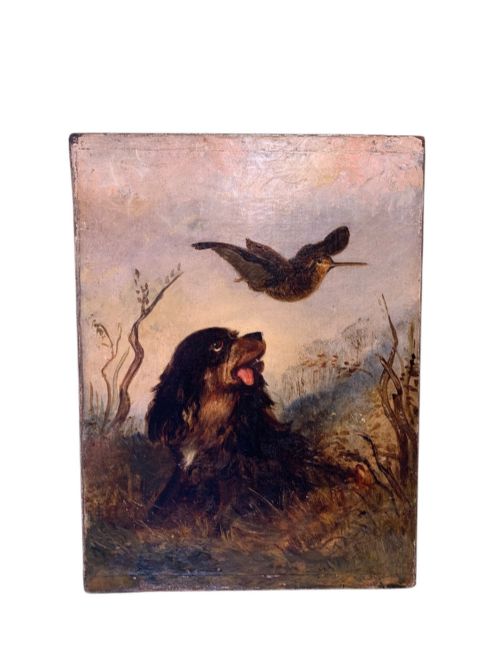
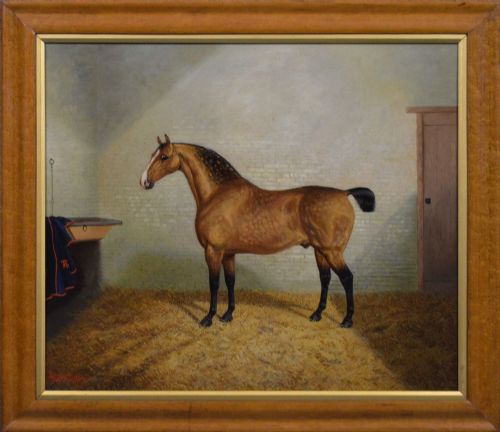
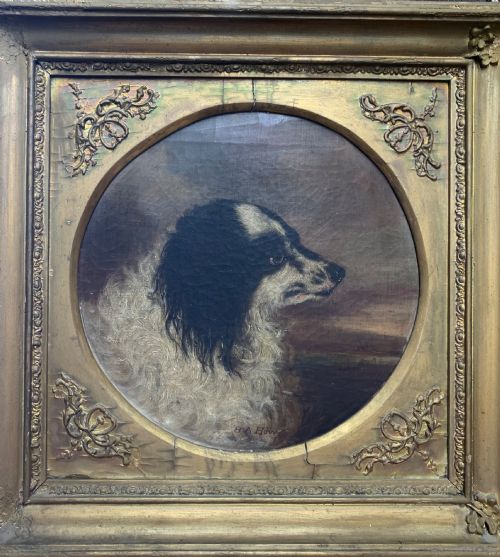
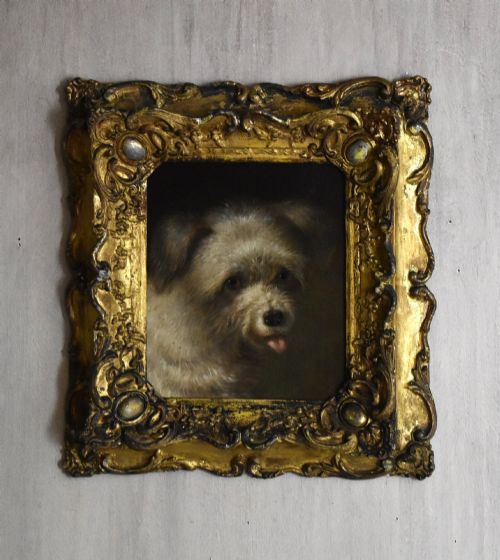
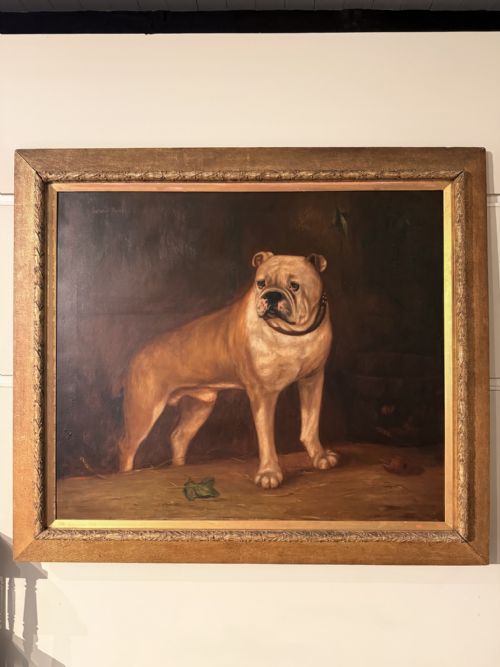
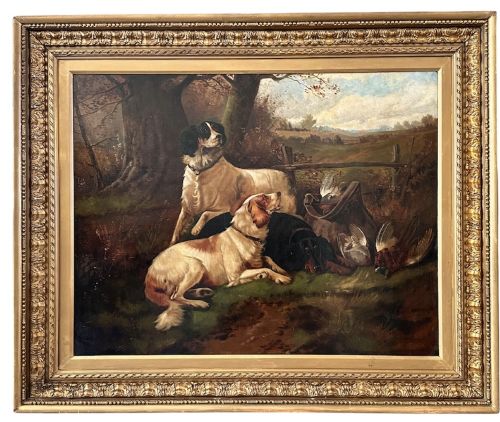
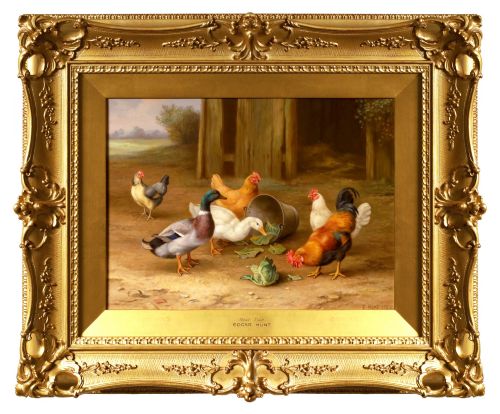
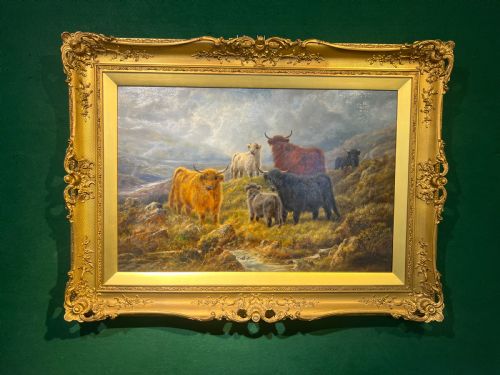
A canvas animal portrait captures the distinct character of horses, dogs, livestock, and pets through traditional brushwork.
Canvas Animal Portrait
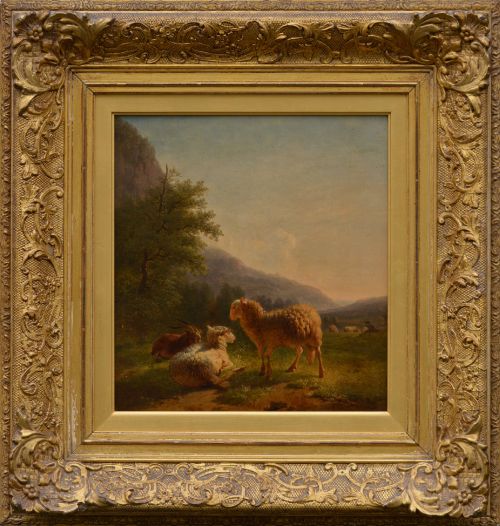
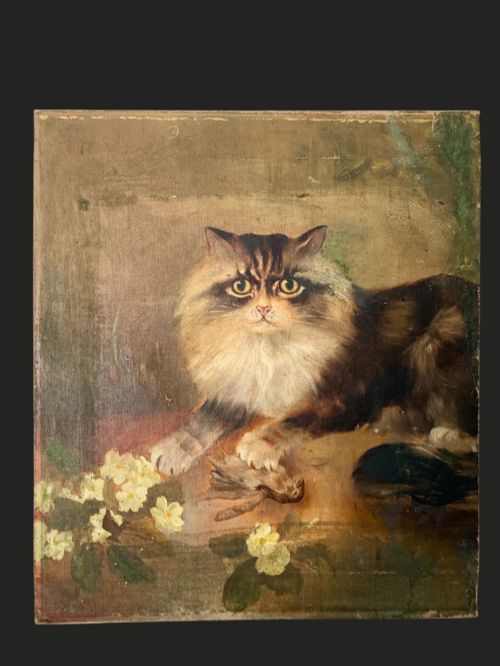
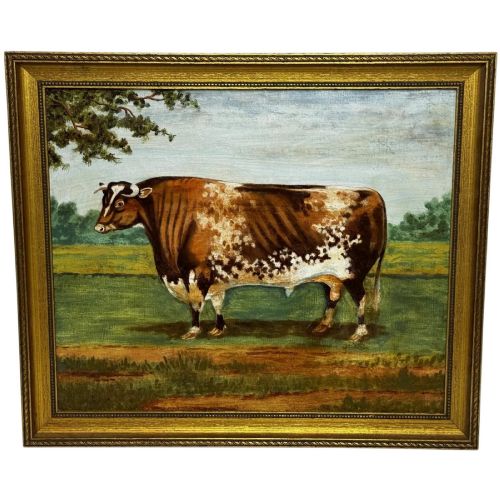
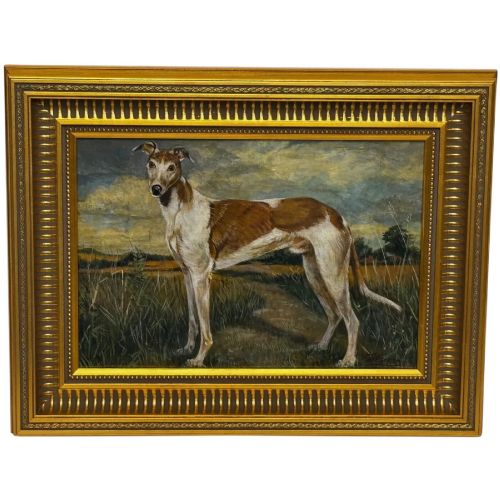
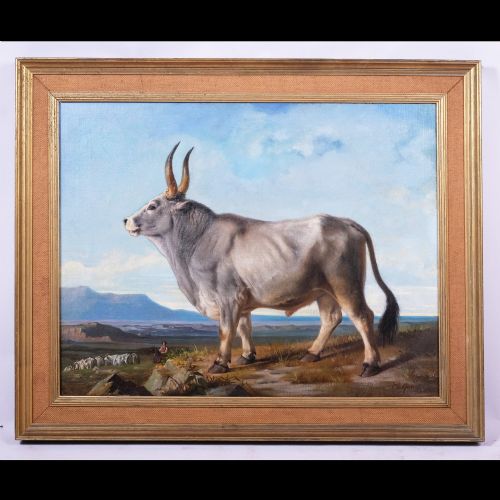
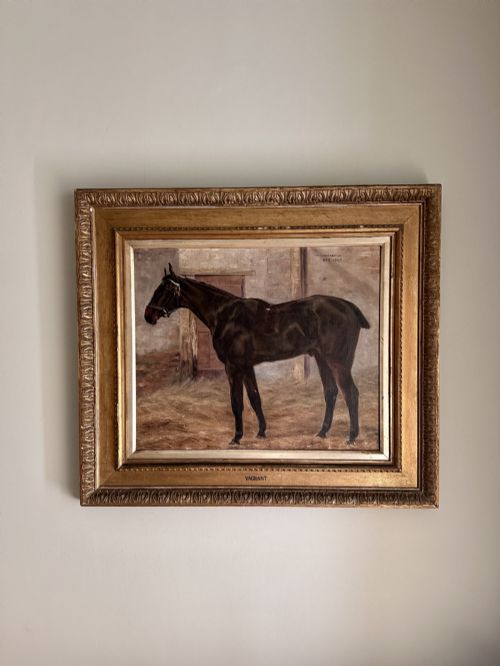
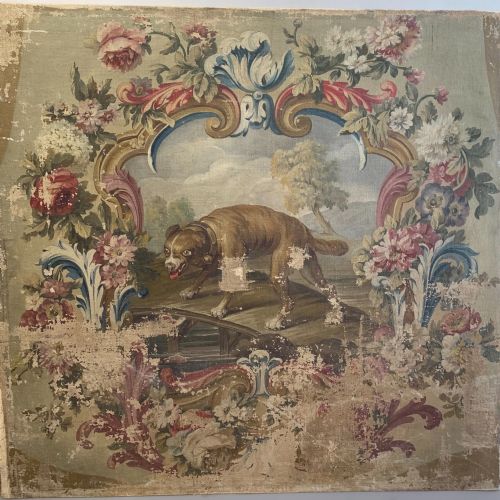
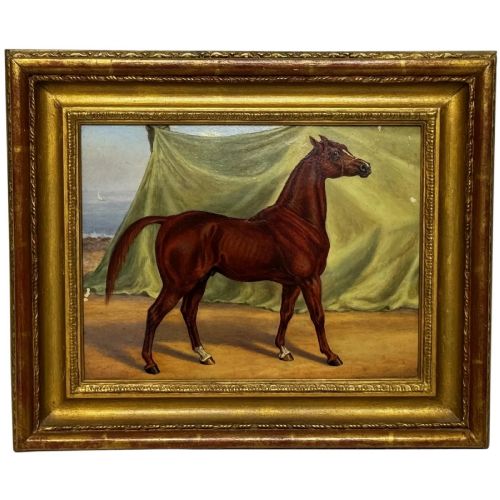
A canvas animal portrait focuses on individual beasts, ranging from prized farm livestock and working dogs to domestic cats and horses. These pieces frequently emerge from nineteenth-century British and European traditions, reflecting a strong cultural connection to agriculture, sports, and domestic animals.
Buyers encounter works spanning from the Georgian and Victorian eras into the early twentieth century. These paintings take forms from naive folk art depictions to highly detailed academic studies rendered by professional animal painters.
Materials and construction
Artists painted primarily with oil paint on stretched woven canvas, often securing the fabric to wooden stretchers. Many surviving examples retain their original wooden and giltwood frames, which provide structural support and period context.
The technique relies on layered oil pigments to build texture, depth, and realistic light on animal coats. Painters utilised fine sable brushes for detailed fur and whiskers alongside broader strokes for rural and domestic backgrounds.
Listings feature works executed in oil on canvas, resting in original wood and giltwood frames across Victorian, Edwardian, and Regency periods.
Judging quality in animal portraiture
Quality rests upon the artist's ability to render correct anatomical proportions alongside a convincing sense of personality. Stronger works capture the precise texture of a coat, the alertness of an ear, and the intelligent depth of an animal eye.
Composition and background execution separate accomplished academic pieces from simpler naive folk art. The handling of light across the subject and its immediate landscape setting distinguishes master animal painters from lesser-known provincial hands.
Eugène Verboeckhoven·Albert Clark·Martin Theodore Ward·Edgar Hunt·John Emms·Thomas Sidney Cooper·Sir Edwin Landseer
The Canvas Animal Portrait Glossary
- Canvas
- A heavy woven fabric typically made from linen or cotton that serves as the primary support for oil paintings. It is stretched tightly over a wooden frame before painting begins.
- Giltwood
- Wood, such as carved pine or oak, that has been decorated with a thin layer of gold leaf. It is commonly found on period picture frames.
- Naive art
- Artwork created by an artist without formal academic training, often characterised by a flat perspective and charming directness. These pieces possess an unpretentious folk art appeal.
- Provenance
- The documented history of ownership of an artwork, tracing its path from the artist's studio or original patron to the present day.
- Sporting art
- A genre of painting dedicated to rural sports, hunting, horses, and hounds. It flourished in Britain throughout the eighteenth and nineteenth centuries.
Canvas Animal Portrait: Frequently Asked Questions
How do I date a canvas animal portrait?
Dating relies on examining the stretcher construction, canvas type, and framing methods alongside stylistic clues in the painting. Costume details or tack on horses often provide helpful chronological markers.
Signatures, artist records, and period inscriptions on the reverse of the canvas or frame also assist in establishing a reliable timeframe.
Where should I hang these portraits?
These works suit traditional reception rooms, studies, and hallways where their rural or domestic subjects complement period interior architecture. They pair well with wood panelling and traditional furnishings.
Keep paintings away from direct sunlight and damp conditions to protect the oil pigments and the underlying canvas fabric over time.
What is the difference between academic and naive animal art?
Academic works demonstrate a strict adherence to animal anatomy, accurate perspective, and sophisticated handling of light and shadow. Trained artists captured precise breed characteristics with professional polish.
Naive paintings simplify forms and perspective, offering a charming and direct interpretation of the subject without formal technical constraints.
How do I care for an antique oil painting?
Maintenance involves dusting the canvas and frame gently with a soft, dry brush or microfiber cloth. Avoid using liquid cleaners or chemical solvents on the painted surface.
Consult a professional art conservator if the canvas sags, the paint develops cracks, or the surface accumulates stubborn grime that requires careful cleaning.