

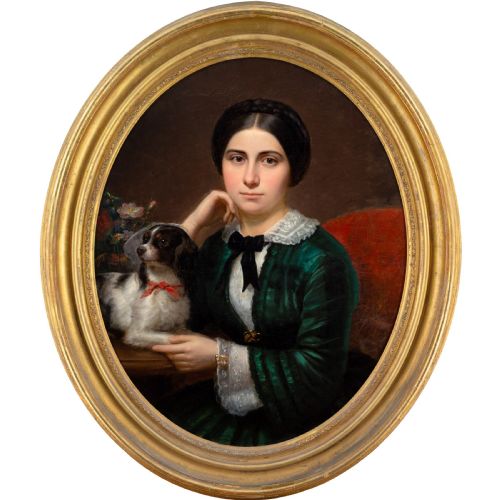
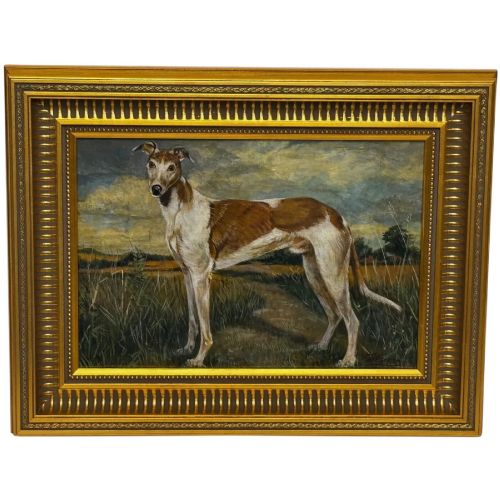
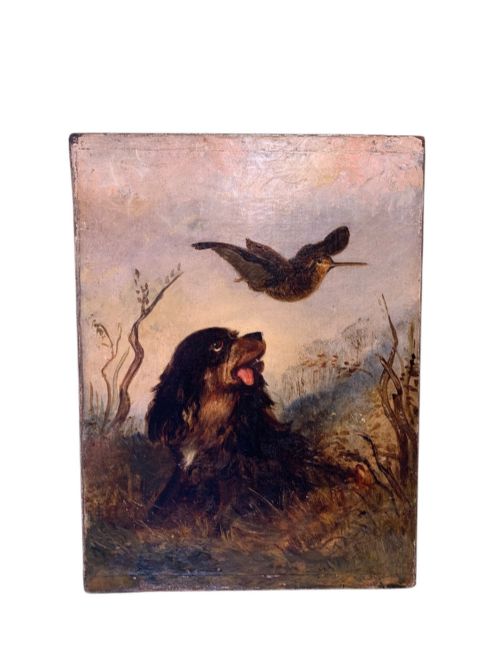
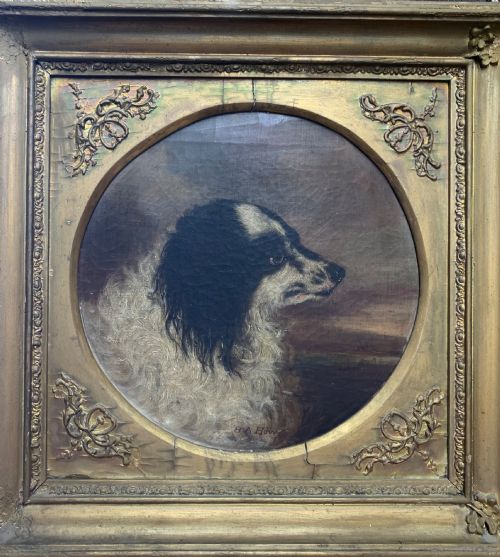

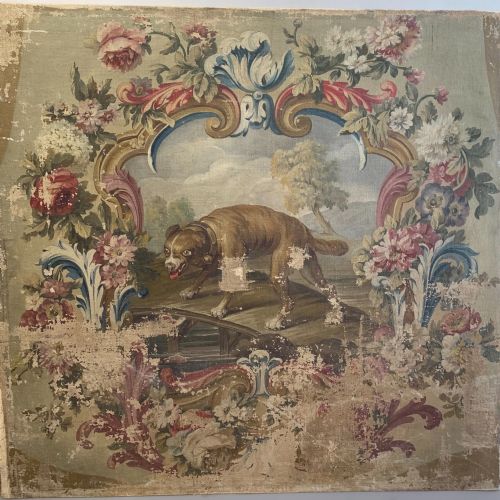

Antique Dog Portrait Painting
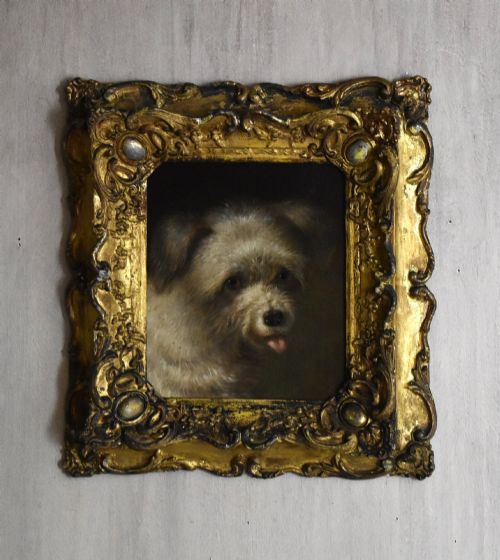
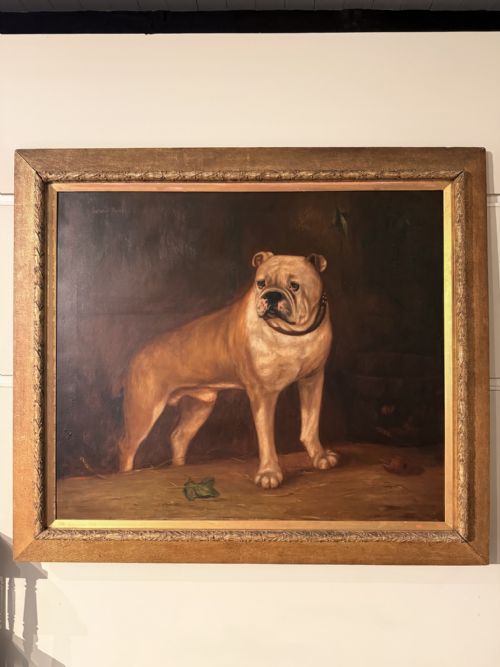
An antique dog portrait painting captures the distinct character of a valued animal through the rich pigments of earlier centuries.

Antique Dog Portrait Painting
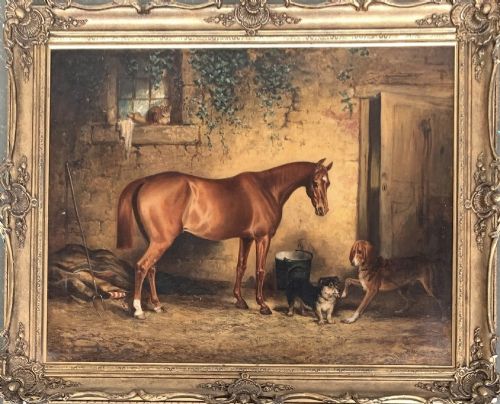
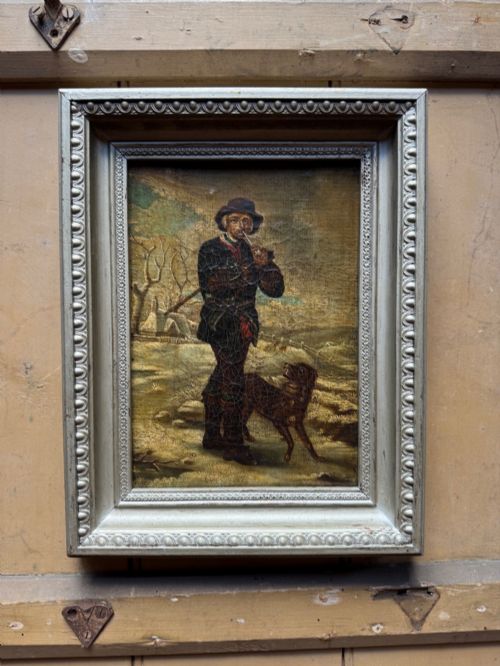
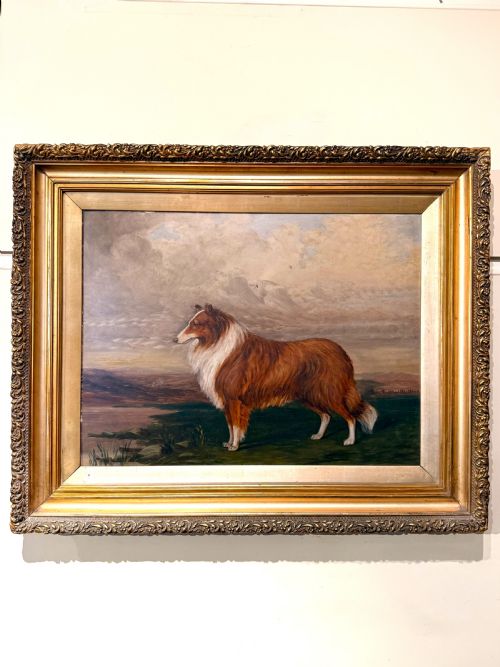
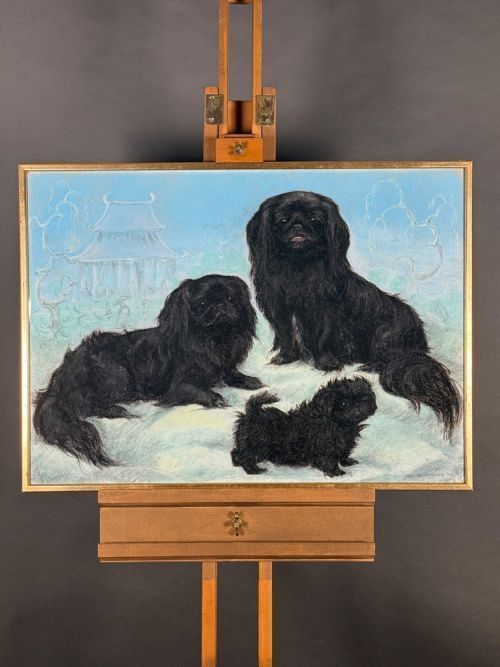
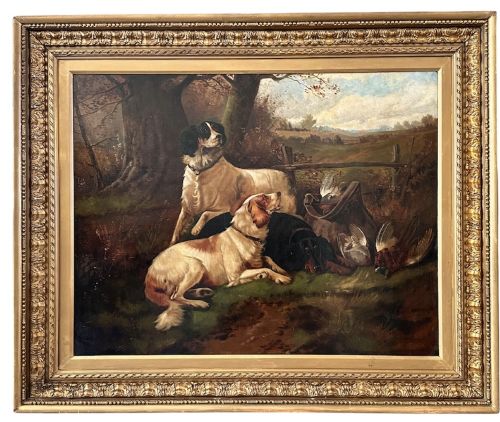
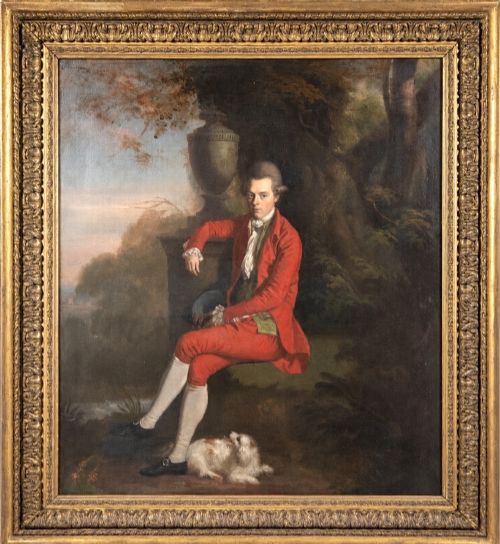
An antique dog portrait painting records the physical presence and personality of canine subjects through historic artistic traditions. These works range from formal studies of individual hounds and lapdogs to companion pieces within broader human portraits.
The selection here draws heavily upon nineteenth-century British and European traditions, incorporating Victorian sporting art, folk-art pieces, and later twentieth-century renderings on canvas and board.
How They Were Made
Artists primarily applied oil paint to stretched canvas or prepared wooden boards, building up layers of pigment to render the texture of fur and the depth of expression. Watercolour and pastel on paper also appear across the selection, offering a lighter touch for intimate studies.
Many of these artworks retain their original giltwood or gold leaf frames, constructed from wood and moulded composition to complement the period aesthetic of the painting within.
Antique Dog Portrait Painting Retail Price Guide 2026
Typical asking prices for dog portrait painting among the pieces listed under this phrase on Sellingantiques today, from the lower quarter to the upper quarter. They describe what is for sale here now, not the wider market.
Several canvases record named household companions like Dora the Boxer and Lady the hound, immortalised alongside working gun dogs.
What Varies in Quality
The standard of execution rests in the artist's ability to render anatomical accuracy, texture in the coat, and life in the eye of the animal. Superior pieces display a confident handling of light and shadow across the subject and the surrounding landscape.
Preservation of the original paint surface and the condition of the supporting canvas or board also distinguish finer examples from more weathered or heavily restored works.
Henry Barraud·Valentine T Garland·Martin Theodore Ward·John Sargent Noble·C R Breytle·John Emms·John Frederick Herring Senior·Thomas Hicks·LM Webb·Arthur Wardle·George E Sharpe·Sir Edwin Landseer·Colin Graeme Roe·Mary Beale·E Tyrell·Thomas Heaphy·David Monies
The Antique Dog Portrait Painting Glossary
- Oil on canvas
- Pigments bound in drying oil applied to a woven fabric support stretched over a wooden frame. This method allows for subtle blending and rich colour depth.
- Giltwood
- Wood, typically carved timber, that has been decorated with a thin layer of gold leaf or metal powder. It frequently frames nineteenth-century paintings.
- Sporting art
- A genre of painting focused on rural pursuits, horses, and hunting dogs. Works in this category often record specific packs or prize animals.
- Provenance
- The documented history of ownership of an artwork. A clear record helps establish authenticity and attribution to a specific painter.
Antique Dog Portrait Painting: Frequently Asked Questions
Were these portraits painted from life?
Many professional animal painters worked directly from living subjects, especially when commissioned to record prized hunting dogs or family pets.
Other works relied on preliminary sketches or studio conventions, particularly when animals were incorporated into larger human portraits.
How should I care for an oil painting on canvas?
Keep the artwork away from direct sunlight, excessive moisture, and rapid temperature fluctuations to prevent the canvas from slackening and the paint from cracking.
Dust the surface gently with a soft, dry brush and avoid using chemical cleaners or water on the paint layer.
What is the difference between oil on canvas and oil on board?
Canvas provides a flexible woven textile support that requires stretching over a wooden frame, yielding a characteristic texture beneath the paint.
Board offers a rigid wooden or composition panel support, which prevents the cracking sometimes caused by canvas movement.