


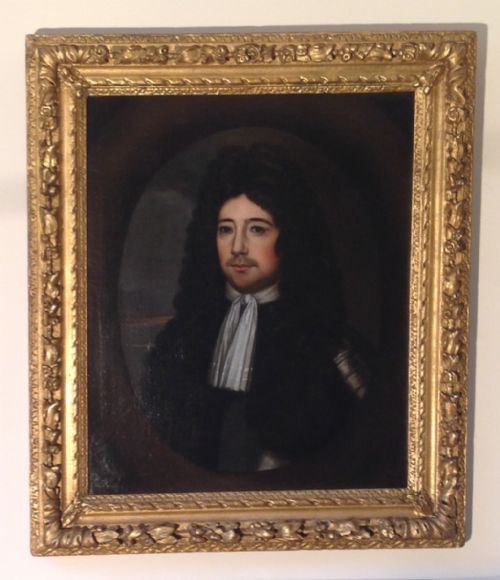
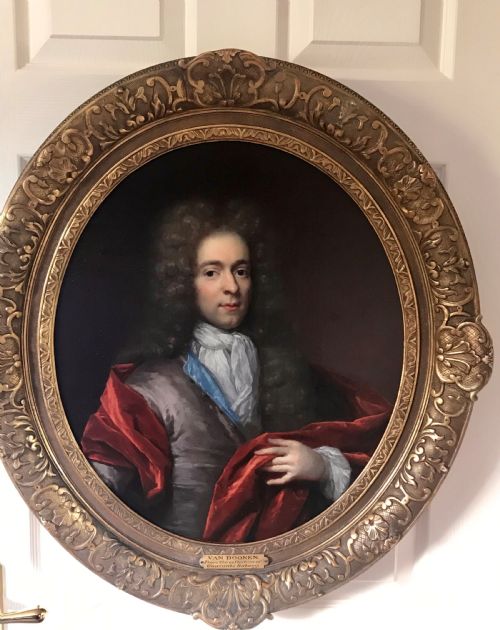
![17th Century Portrait Circle of Michael Dahl,of Sir William Cowper [1639-1706]](https://www.sellingantiques.co.uk/photosnew/dealer_countryhousefineart/dealer_countryhousefineart_full_1525617097668-7609063232.jpg)


Restoration Era Male Portrait
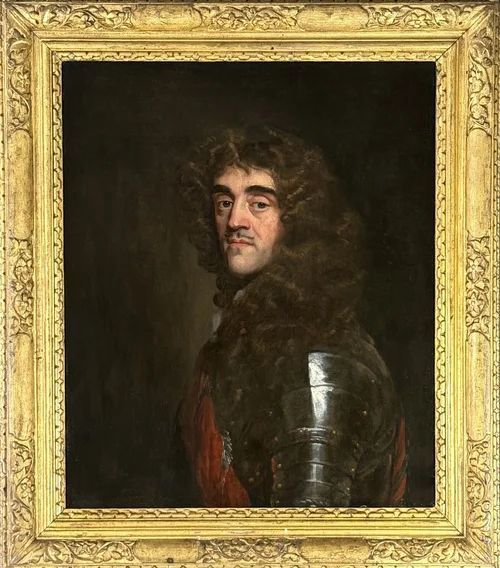
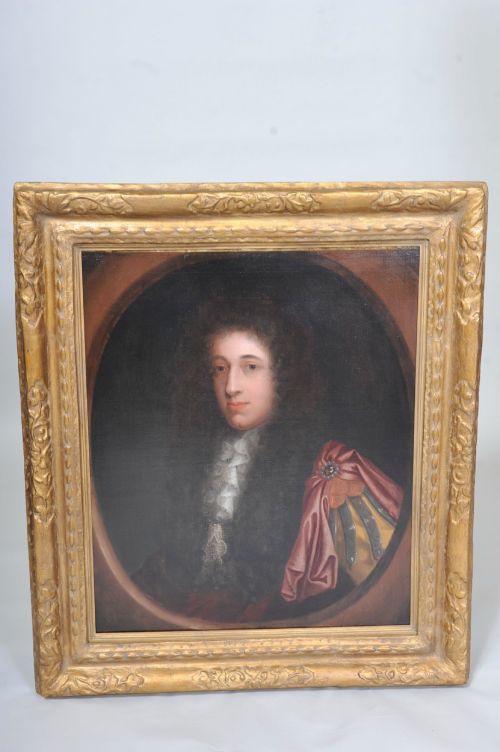
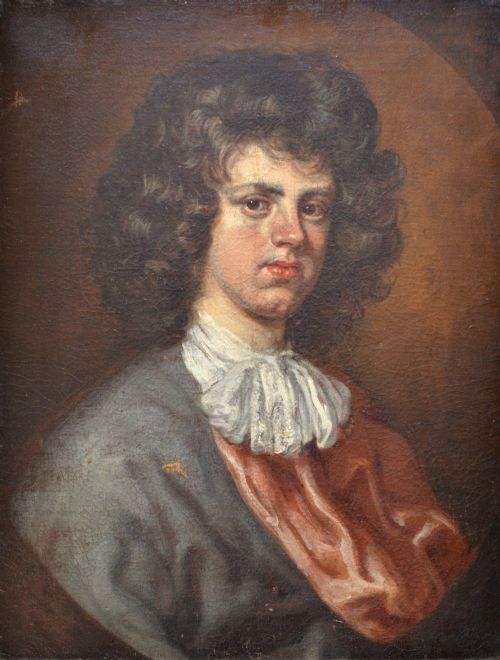
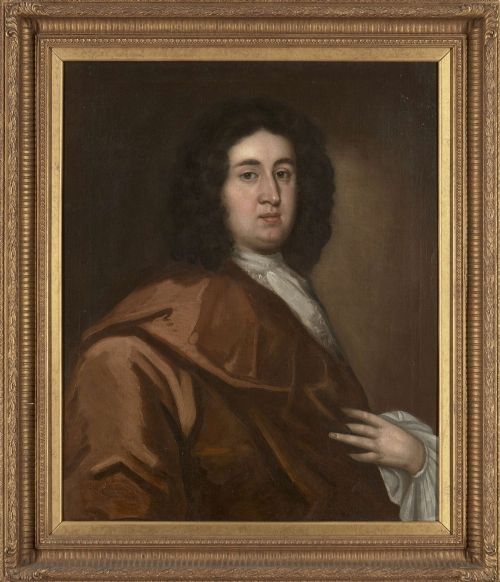
A restoration era male portrait captures seventeenth-century gentlemen in oil on canvas, bringing seventeenth-century character and presence directly to a wall.
Restoration Era Male Portrait
A restoration era male portrait presents oil paintings of gentlemen, young gentlemen, and named sitters from the seventeenth century, including works from seventeen hundred and circa sixteen eighty. These pieces depict subjects wearing cloaks and formal attire, often framed in giltwood or gold leaf on canvas and wood.
The versions most commonly met on this page originate from English and continental European traditions, spanning the baroque, English baroque, and Dutch golden age styles. Portrait paintings on this page range from anonymous gentlemen to specific historical figures such as barristers and viscounts.
The physical form centres on oil paint applied to canvas, housed within period wooden frames. Subjects are captured with direct gaze and detailed costume typical of late seventeenth-century portraiture.
Materials and construction
These works rely upon oil paint applied to a woven canvas support stretched over a wooden frame. Artists utilised traditional pigments and binding oils to build up deep tones and facial detail.
Many portraits are housed in giltwood or gilt wood frames decorated with gold leaf. The combination of canvas, wood, and gilded moulding constitutes the primary physical structure recorded in the listings.
Listings span the seventeenth century, including specific dates from sixteen sixty-six through seventeen hundred, executed in oil on canvas with giltwood frames.
Factors of quality
Condition of the oil on canvas surface and the originality of the giltwood or gold leaf frame influence the overall integrity of the piece. Works retaining their original relationship to the wooden frame carry greater historical coherence.
Mary Beale·John Closterman·John Michael Wright·Michael Dahl·Arnold van Boonen·Johann Kerseboom·Samuel van Hoogstraten
The Restoration Era Male Portrait Glossary
- Baroque
- A style of European art from the seventeenth century characterised by dramatic use of light, shadow, and rich detail. This aesthetic informs the deep shadows and theatrical lighting seen in many seventeenth-century portraits.
- Giltwood
- Wood that has been coated with a thin layer of gold leaf or gilt. This material forms the ornate frames that encase the canvas paintings.
- Circle of
- A term used in attribution to denote an artist working in the style and under the direct influence of a master. It indicates proximity to a significant painter's workshop without being a direct signed work.
- Oil on Canvas
- A painting technique using pigments bound with a drying oil applied to stretched fabric. This medium allows for rich colour blending and durability over centuries.
Restoration Era Male Portrait: Frequently Asked Questions
What is a restoration era male portrait?
A restoration era male portrait is an oil painting on canvas depicting a gentleman from the seventeenth century. These artworks reflect the baroque and Dutch golden age styles prevalent during that period.
The subjects range from anonymous sitters to named historical figures, lawyers, and peers, typically rendered in formal dress or wearing cloaks.
Who painted these seventeenth century portraits?
These portraits were produced by artists working in England and continental Europe during the seventeenth century. Many listings attribute works to the circle or studio of prominent painters such as Mary Beale, John Michael Wright, and Michael Dahl.
Other pieces are attributed directly to continental masters like Arnold van Boonen, Johann Kerseboom, and Samuel van Hoogstraten.
How should I hang an oil painting?
An oil painting on canvas should be hung on an interior wall away from direct sunlight and excessive moisture or temperature fluctuations. Stable environmental conditions protect both the canvas support and the surrounding wooden frame.
Ensure the wall fixings are secure and appropriate for the combined weight of the canvas and its giltwood frame.
How do I identify the period of a portrait?
The period is identified through costume, hair styling, painting technique, and framing materials. Seventeenth-century portraits often feature specific collar styles, cloaks, and wig designs associated with the restoration era.
Attributions to specific decades, such as circa sixteen eighty or sixteen ninety, are supported by stylistic comparisons with documented works of the era.